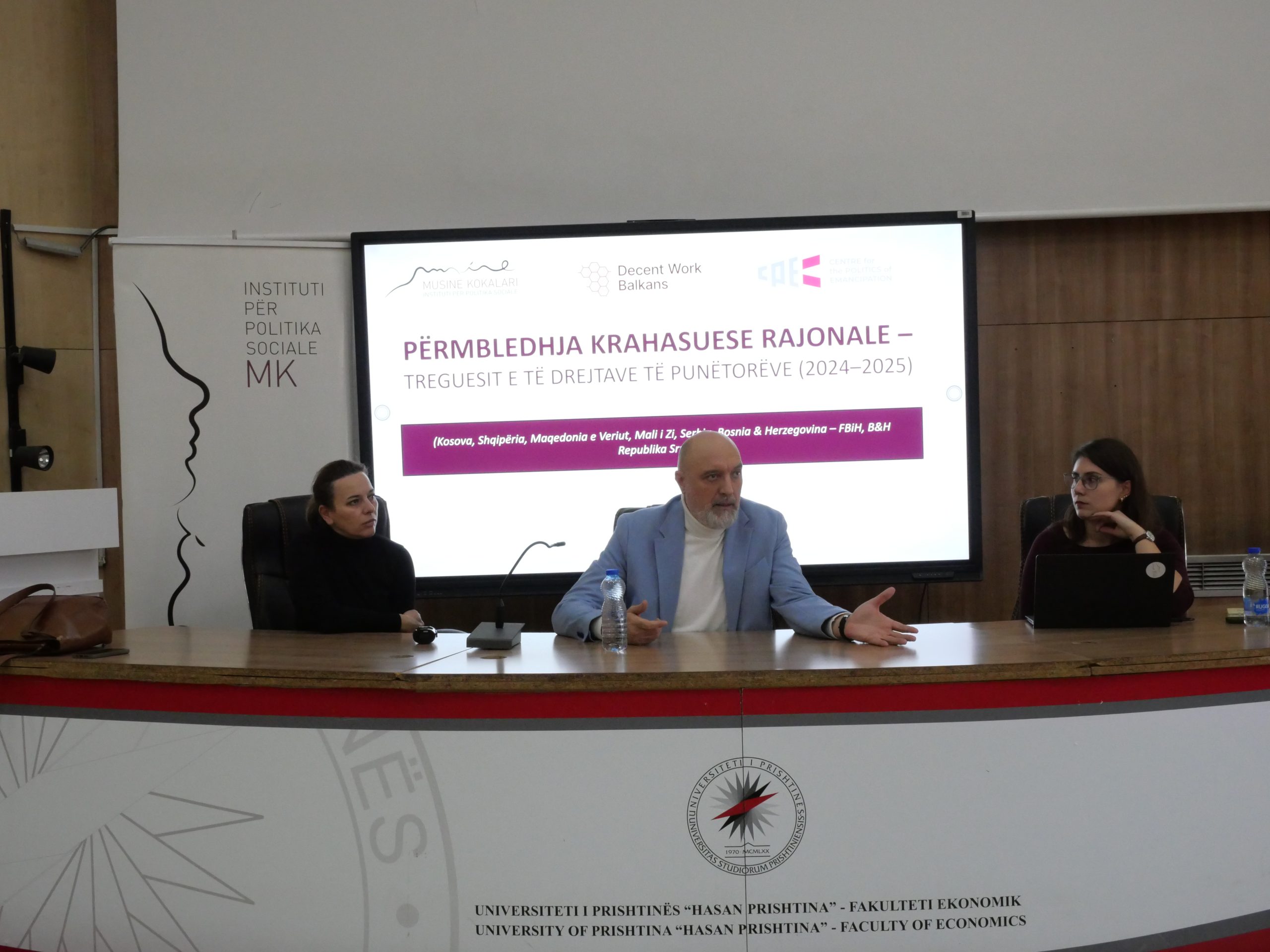
Kosovo Below the Regional Average on Workers’ Rights
Kosovo records the lowest labor market participation in the region, with an employment rate of 38.6% and an activity rate of 43.2%. In comparison, Albania, Montenegro, and Serbia have more active labor markets and higher employment levels. North Macedonia and
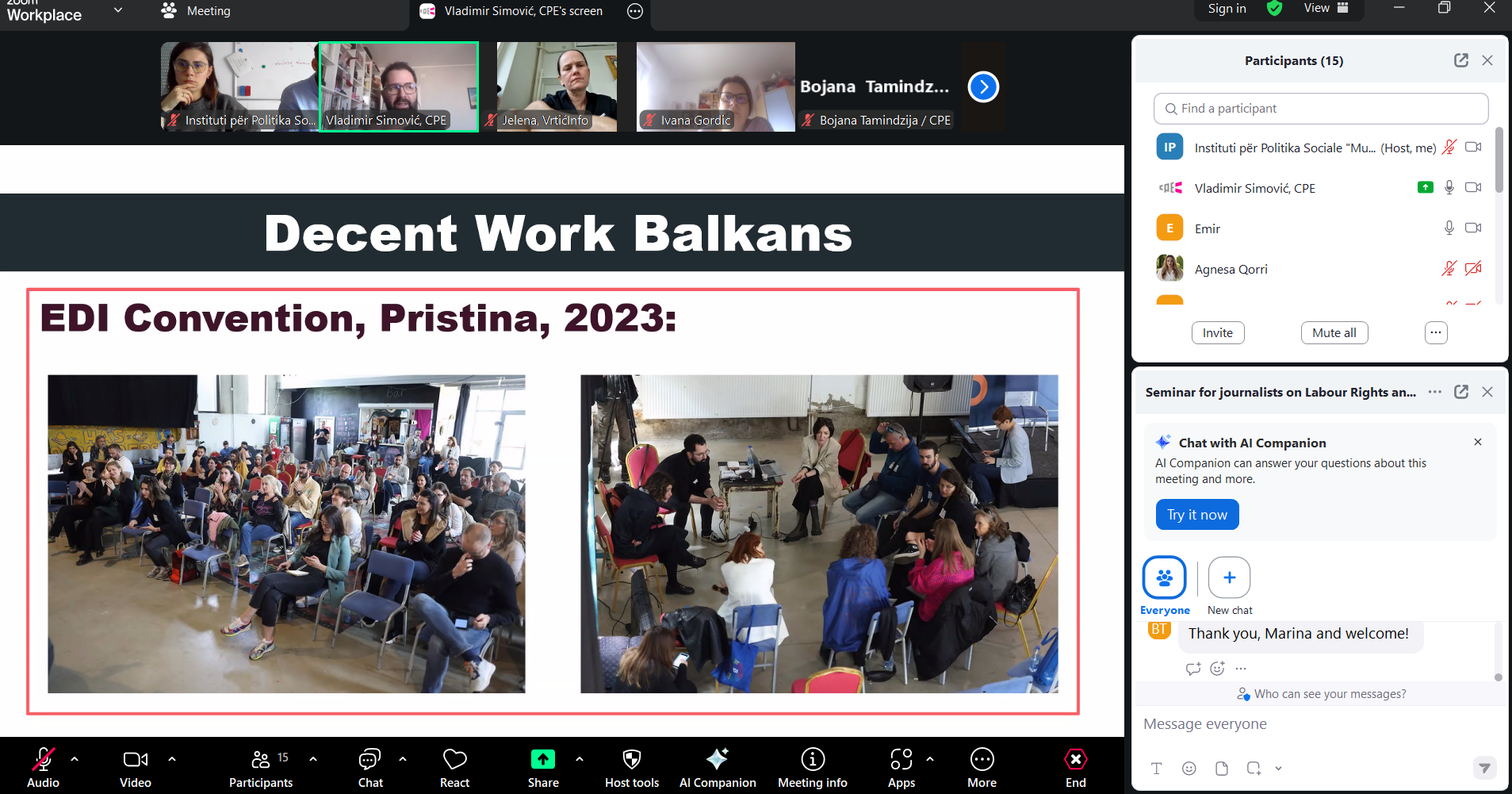
Regional Seminar for Journalists on Labour Rights and Economic Justice
The Musine Kokalari Institute for Social Policy, in collaboration with Centar za Politiku Emancipacije (CPE), organized a two-day seminar for journalists focused on labour rights and economic justice. The seminar was held online and gathered young journalists and media professionals
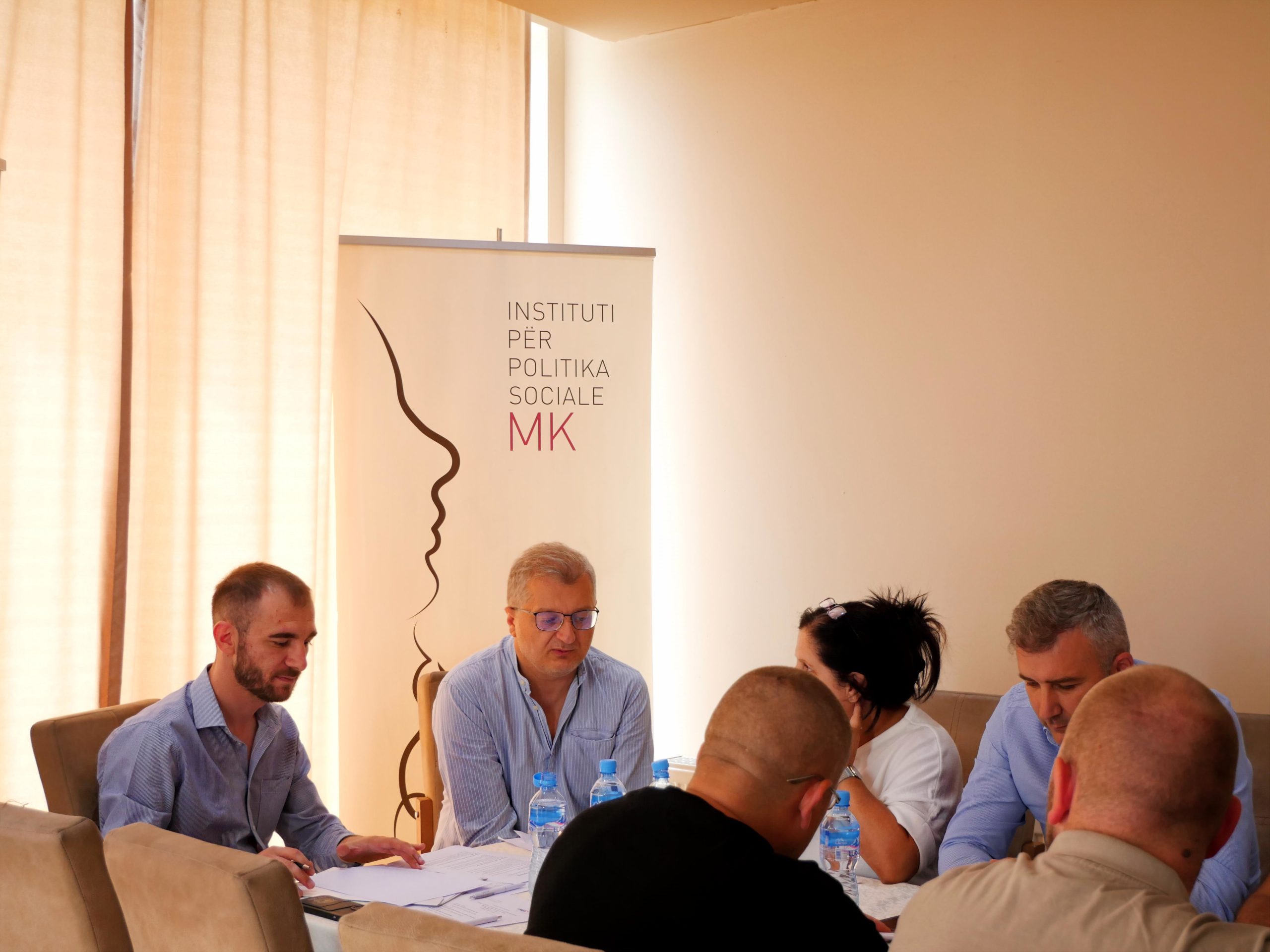
Community Dialogue with the Serb Community in the Anamorava Region
As part of the “Community Dialogue” activity, a discussion was held on July 29 with members of the Serbian community, representatives of public institutions, and citizens from the municipalities of Gjilan, Novo Brdo, Klokot and Partesh. The aim of this

“Mock Debate” – Two-day Workshop on the Dialogue for Normalization of Relations between Kosovo and Serbia
Negotiators were present — some representing Serbia, others Kosovo. Two facilitators helped guide the discussions, and in the end, a symbolic agreement was reached.
Over the course of two days, young men and women from Kosovo—both Albanian and Serbian—divided
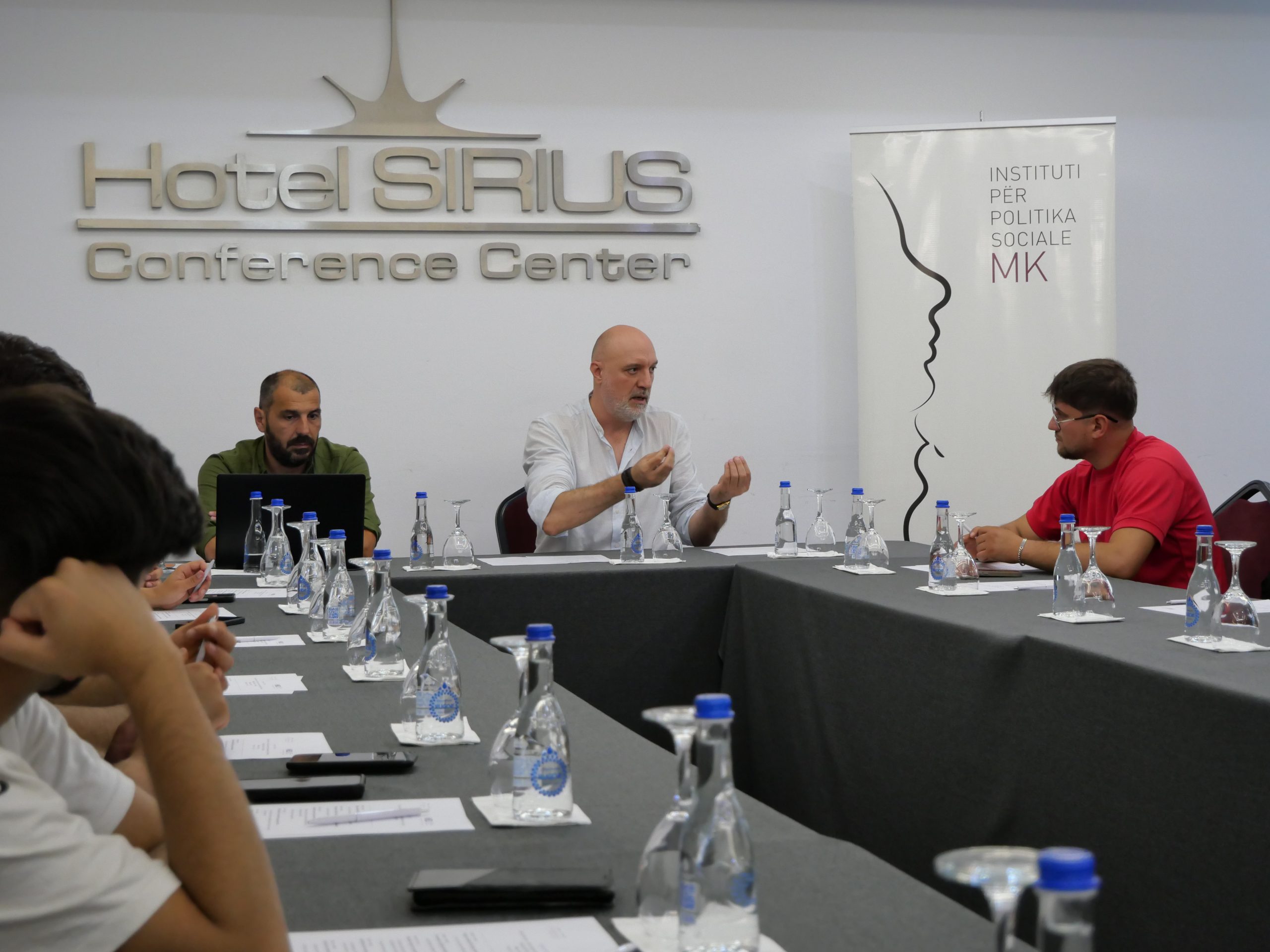
Meeting with Youth from Lipjan and Fushë Kosova: Community Voices for the Future
As part of the initiative for dialogue and civic inclusion, a discussion was held this week with young people from the Ashkali and Roma communities in the municipalities of Lipjan and Fushë Kosovë. The aim of the meeting was to
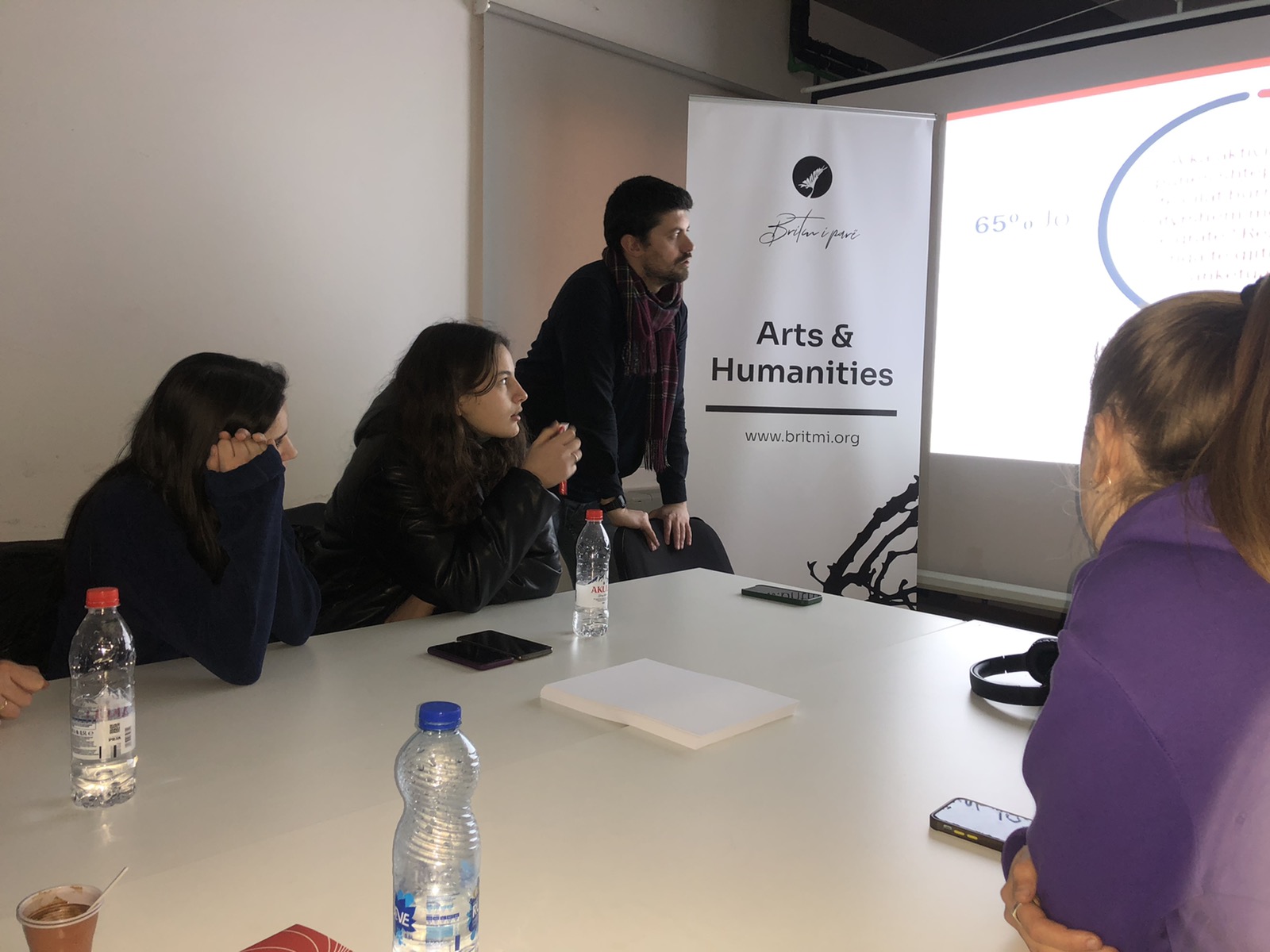
Discussion with the youth of Peja on care work as unpaid labor
At the invitation and organization of Britm i parë and Anibar, Arian Lumezi, Project Coordinator at the Institute for Social Policy “Musine Kokalari,” presented the findings of the research “Care Work as Unpaid Labor in Kosovo” during a discussion with

Report Published: “Attitudes of Communities in Kosovo Regarding Living and Working Close to One Another”
IPS Musine Kokalari surveyed members of various communities—Albanians, Serbs, Roma, Gorani, Ashkali, Turks, Bosniaks, and Egyptians—asking whether they would be willing to live and work close to one another. Our goal was to gain insight into the current state of

Workload Equality in Kosovo: Insights from the Presentation of Hana Bacaj’s Policy Document
Check out our latest publication: Promoting a More Equitable Distribution of Workload in Kosovo: Strengthening Policies for Fairer Redistribution, a paper by Hana Bacaj.
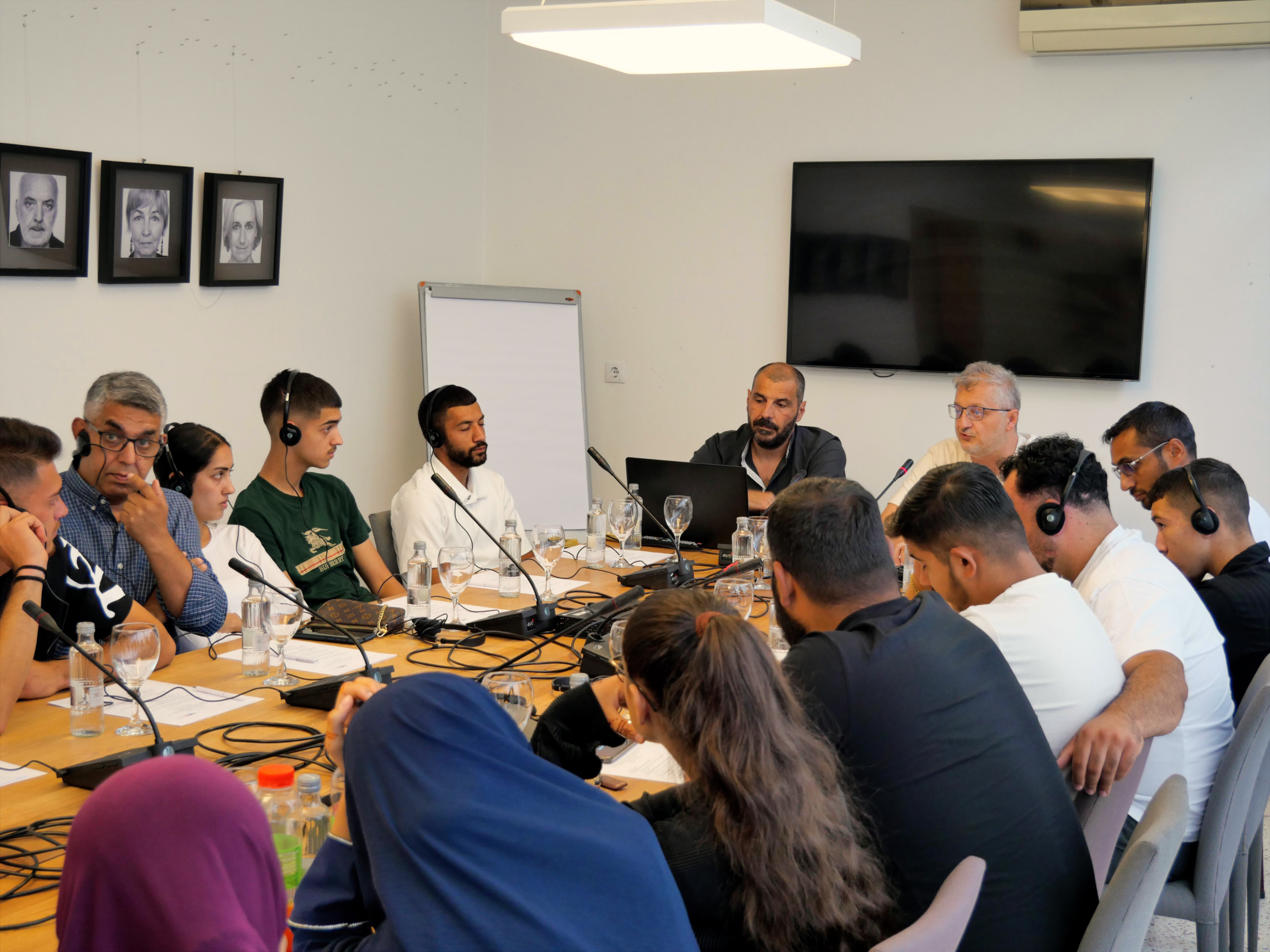
Meeting with Communities in Gračanica: Strengthening Capacities for Interethnic Cohesion
As part of the project “Fostering Political Dialogue on Interethnic and Social Cohesion”, a community discussion was held on the topic “Community Dialogue – Strengthening Capacities for Interethnic Cohesion” with members of the Roma, Ashkali, and Albanian communities in the

Empowerment of Youth: Workshop on Kosovo-Serbia Negotiations
Click below for the full news about the workshop on Kosovo-Serbia negotiations.