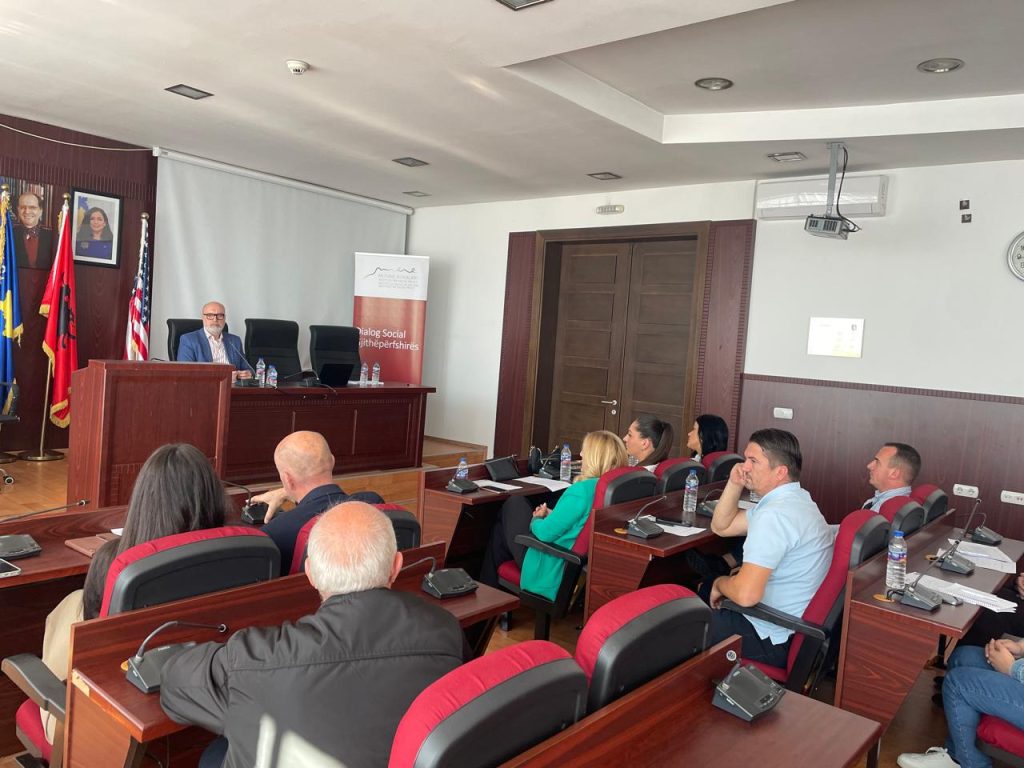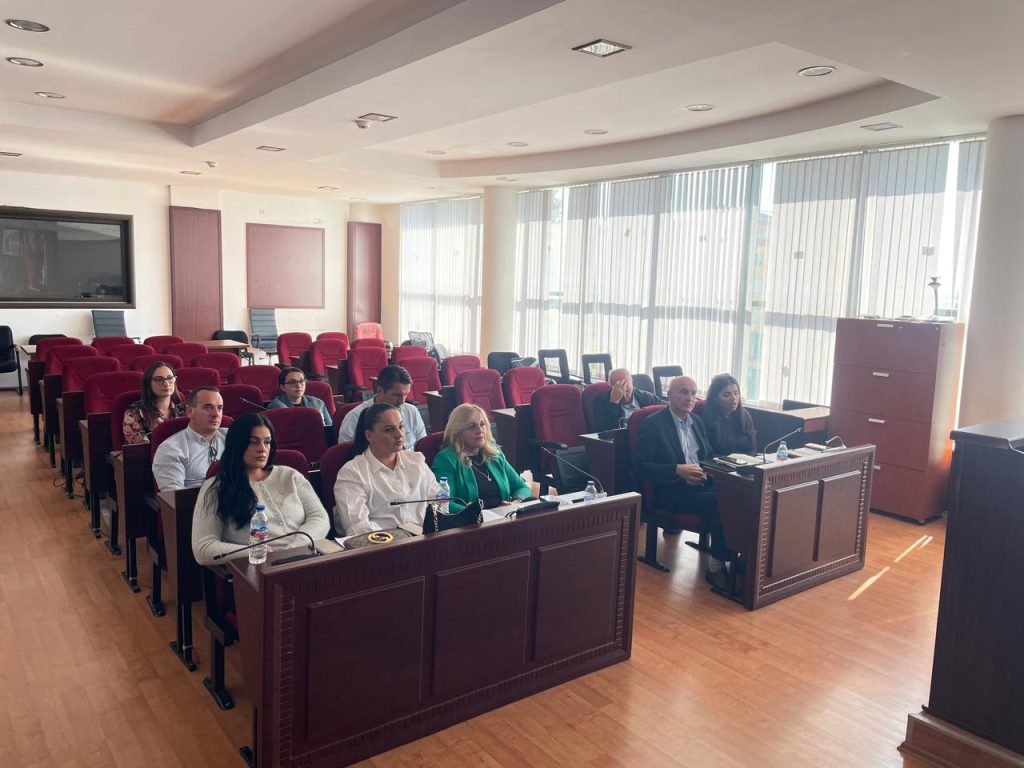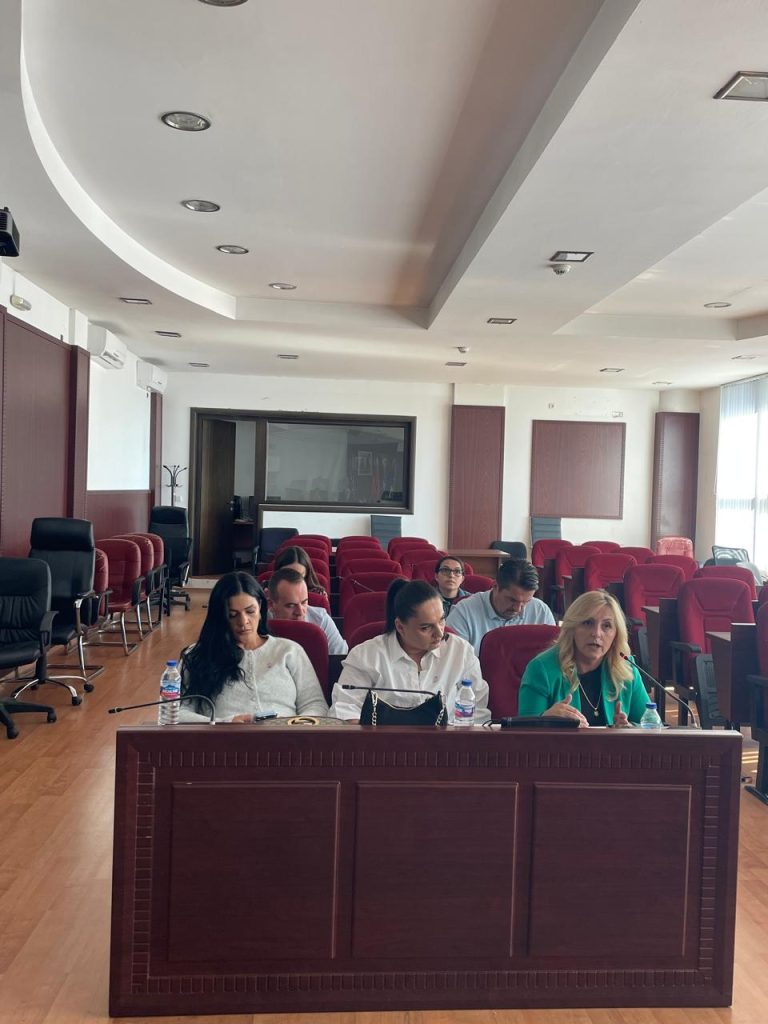
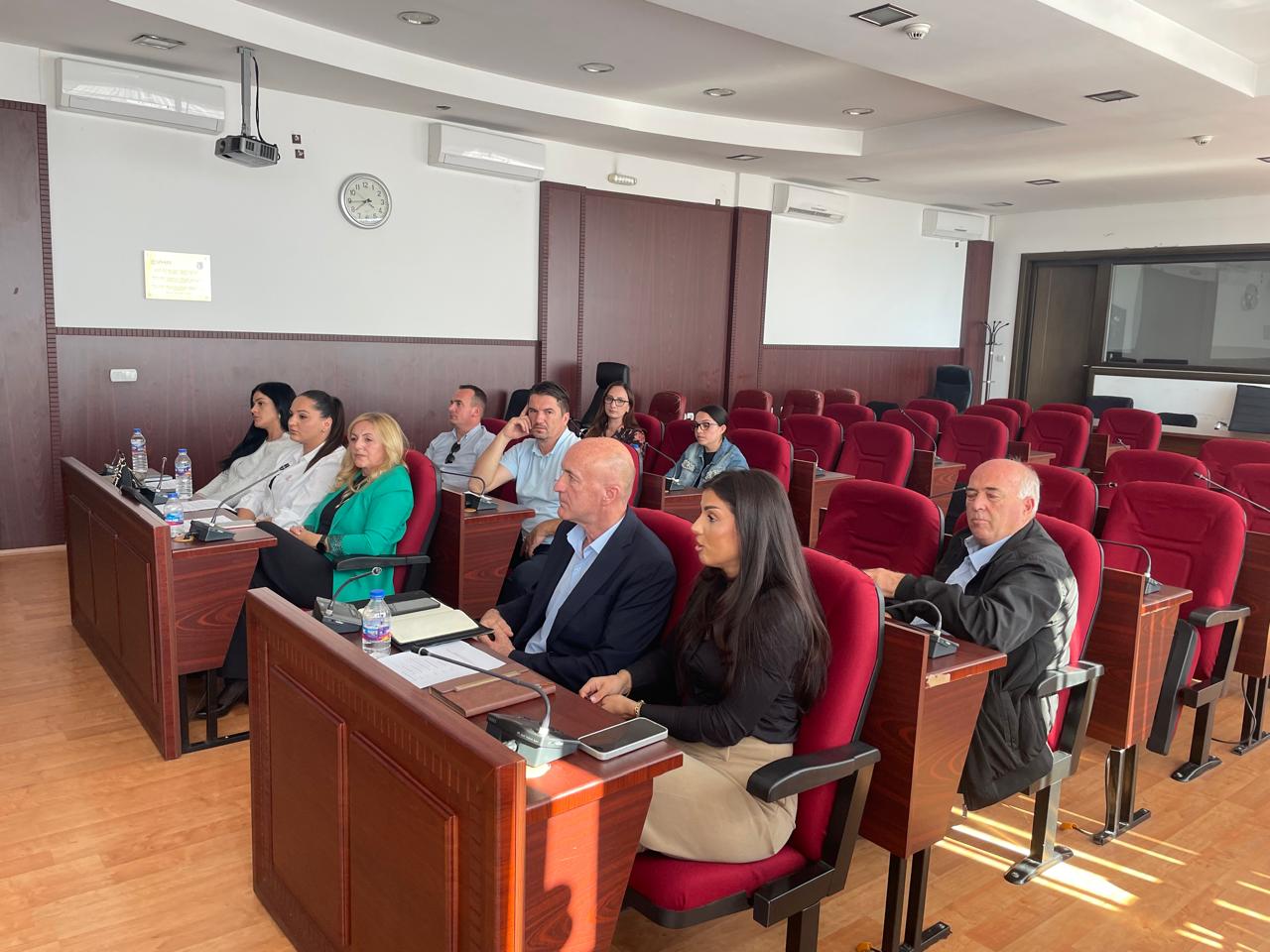
The state of social services, citizens’ needs, and the role of municipal assembly members in addressing them were the focus of the first meeting with the Thematic Group of Assembly Members on Social Policies and Services in the Municipality of Istog. The meeting was held as part of the project “Inclusive Social Dialogue”.
During the meeting, participants were presented with the services and forms of support provided by the Municipality of Istog to various vulnerable groups, including older persons, children with special needs, and victims of domestic violence. Discussions also addressed unmet needs and limitations related to funding and staff shortages.
One of the priorities identified was the establishment of a day-care centre for children with special needs. Assembly members highlighted the need for speech therapy and other therapeutic services, as well as improved access to teaching assistants during the learning process. They also emphasised the importance of providing specialised care and services after school hours, both to support children’s development and to ease the caregiving burden on families, enabling parents to participate more fully in the labour market.
Part of the discussion also focused on the link between families’ economic circumstances and children’s participation in education. Concerns were raised about early school dropout and child labour, particularly among non-majority communities. In this context, participants also highlighted challenges related to the shortage of qualified teachers and the availability of the necessary educational staff.
The need to provide care for older persons who are left alone at home as a result of family members’ migration was also discussed. Regarding victims of domestic violence, participants emphasised the importance of providing support through cooperation with the regional shelter, covering rental costs, and offering assistance with other needs.
In concluding the discussion, assembly members raised concerns about financial constraints and staff shortages at the Centre for Social Work. They stressed the need for more sustainable funding for social services and better coordination between municipal institutions, central-level authorities, and organisations providing services in this field.
As a next step, a joint meeting is planned with organisations providing social services, activists, citizens, representatives of non-majority communities, and relevant municipal institutions. This meeting will help complement the issues raised by assembly members with the experiences and perspectives of the community, as well as identify concrete priorities for action.
This activity is supported by the “EJA Kosovo” programme of the Kosovo Civil Society Foundation (KCSF), co-financed by the Swiss Agency for Development and Cooperation (SDC) and Sweden.