Social policies and services in the Municipality of Prizren require better institutional coordination, more sustainable funding, and greater involvement of civil society organisations in the development and monitoring of local policies.
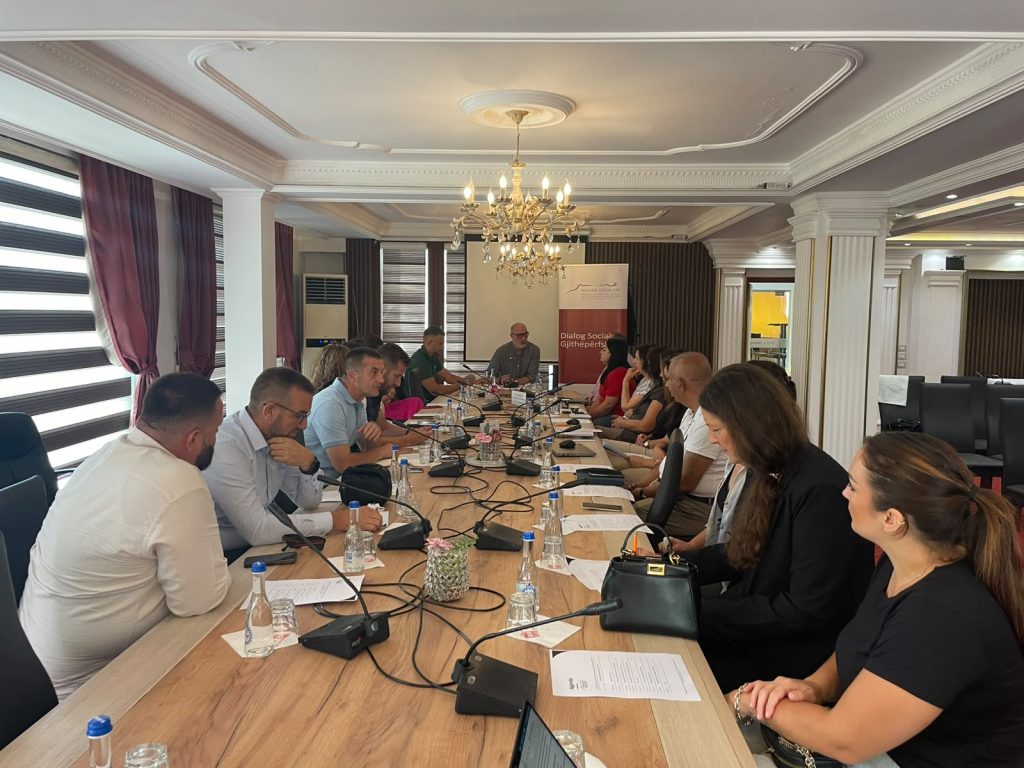
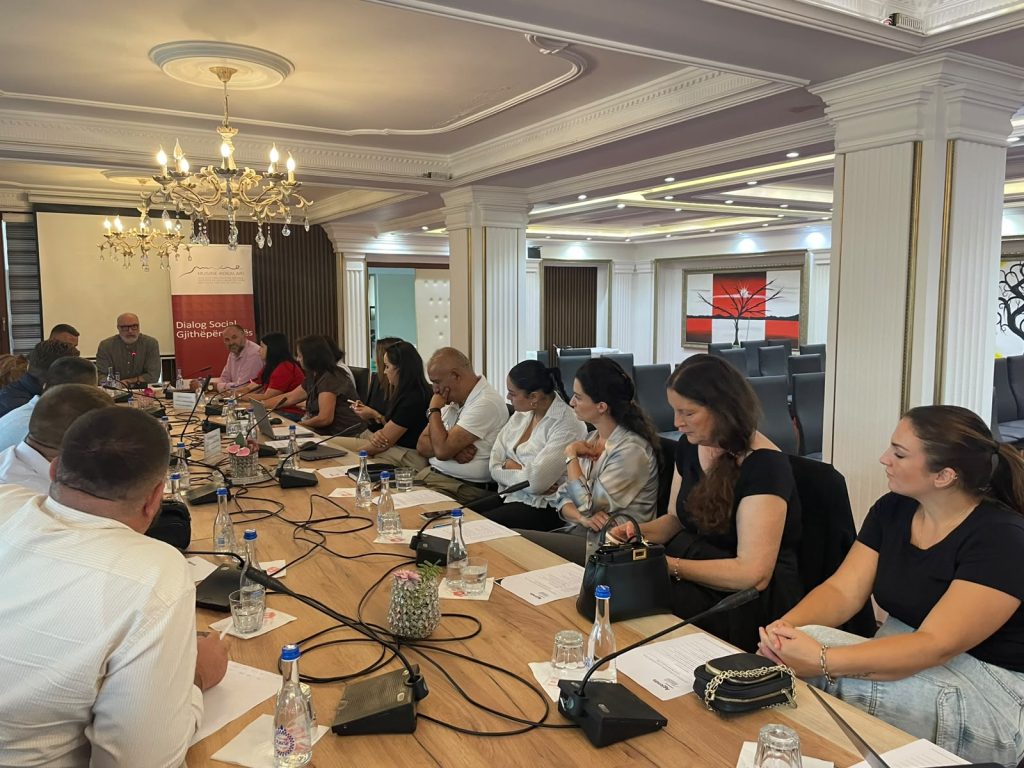
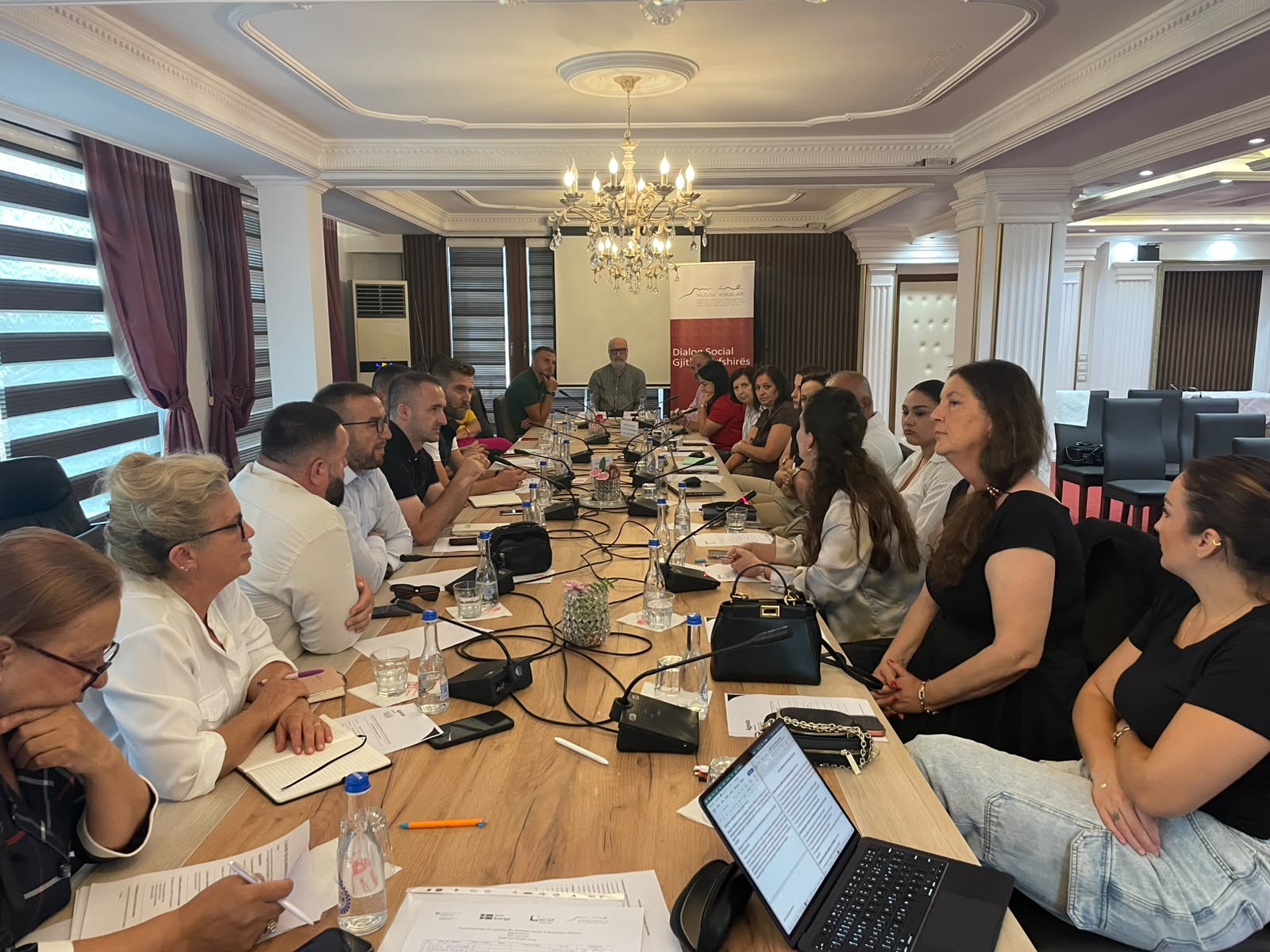
This was one of the key conclusions of the discussion roundtable organised by the IPS Musine Kokalari, at the request of the Thematic Group of Assembly Members for Social Policies in Prizren.
The discussion aimed to provide a more comprehensive overview of the state of social policies and services in the municipality by identifying the needs and challenges faced by vulnerable groups, as well as the experiences of organisations operating in this field.
The meeting brought together representatives of municipal institutions, including the Directorate for Labour and Social Welfare and the Centre for Social Work, organisations providing social services, activists, and members of the Municipal Assembly of Prizren.
Participants highlighted the important contribution of civil society organisations in delivering services to persons with disabilities, children in street situations, victims of domestic violence, older persons, and families in need. However, the sustainability of these services remains at risk due to insufficient funding, delays in subsidies, staff shortages, and challenges in ensuring continuity. In this context, participants called for more regular coordination between the municipality, the Centre for Social Work, organisations providing social services, and those contributing to the development of social policies at the local level.
The need for greater involvement of organisations in the drafting and monitoring of social policies was also emphasised, along with the need for increased transparency in the project evaluation and funding process.
Key recommendations included the creation of a database of families in need, social mapping of vulnerable groups, monitoring the implementation of municipal plans and strategies, and providing vocational training opportunities for beneficiaries of social assistance schemes. Participants also called for more sustainable support for shelters, organisations of persons with disabilities, and services for children and families facing difficult circumstances.
The findings of this discussion will serve as the basis for the preparation of a report containing recommendations for the Municipal Assembly of Prizren. The report aims to support evidence-based municipal financial planning by helping to define priorities more clearly and direct budget allocations towards the real needs of citizens and vulnerable groups.
This activity is supported by Kosovar Civil Society Foundation (KCSF) program ‘EJA Kosovo’, co- financed by the Swiss Agency for Development and Cooperation (SDC) and Sweden