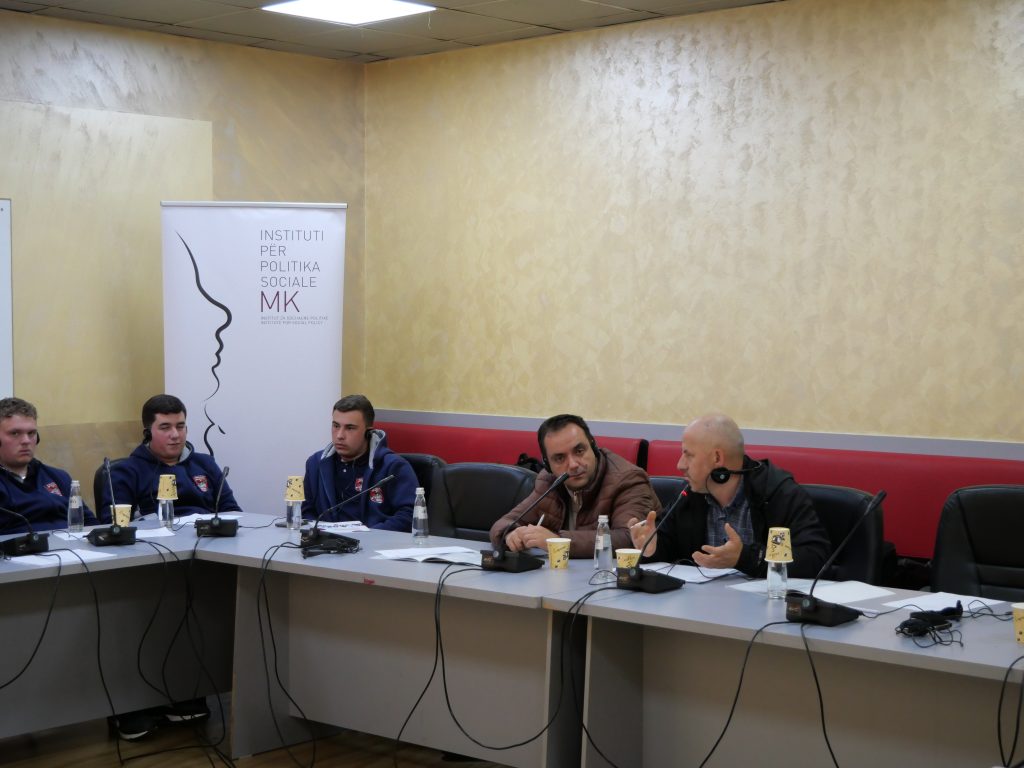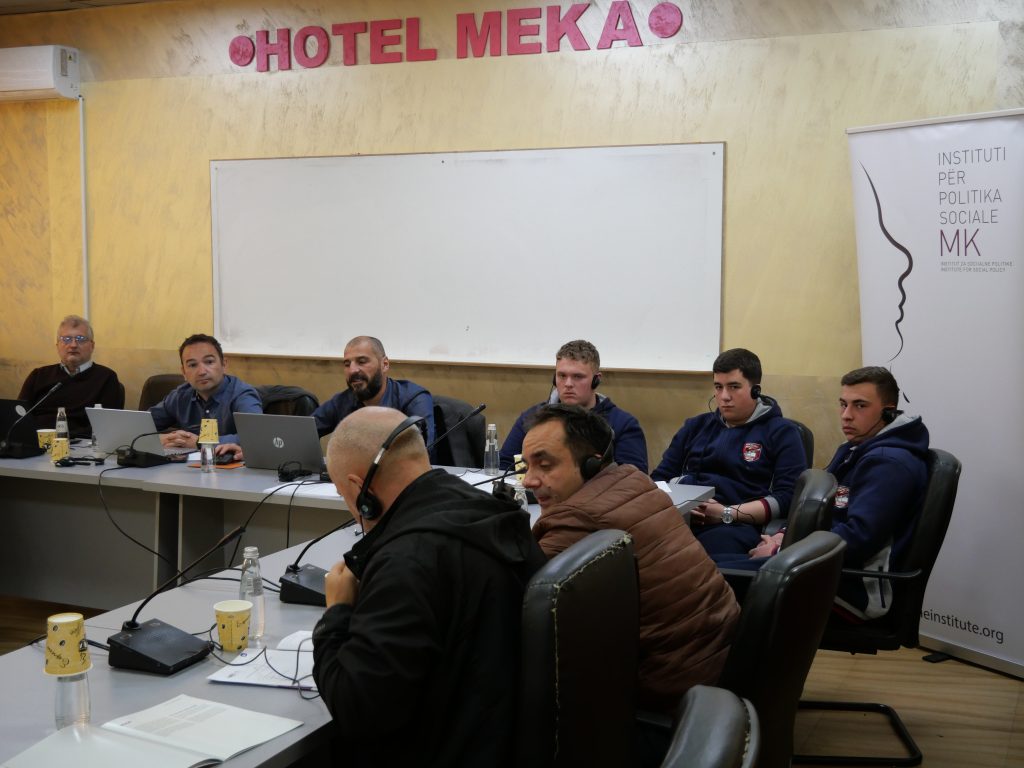
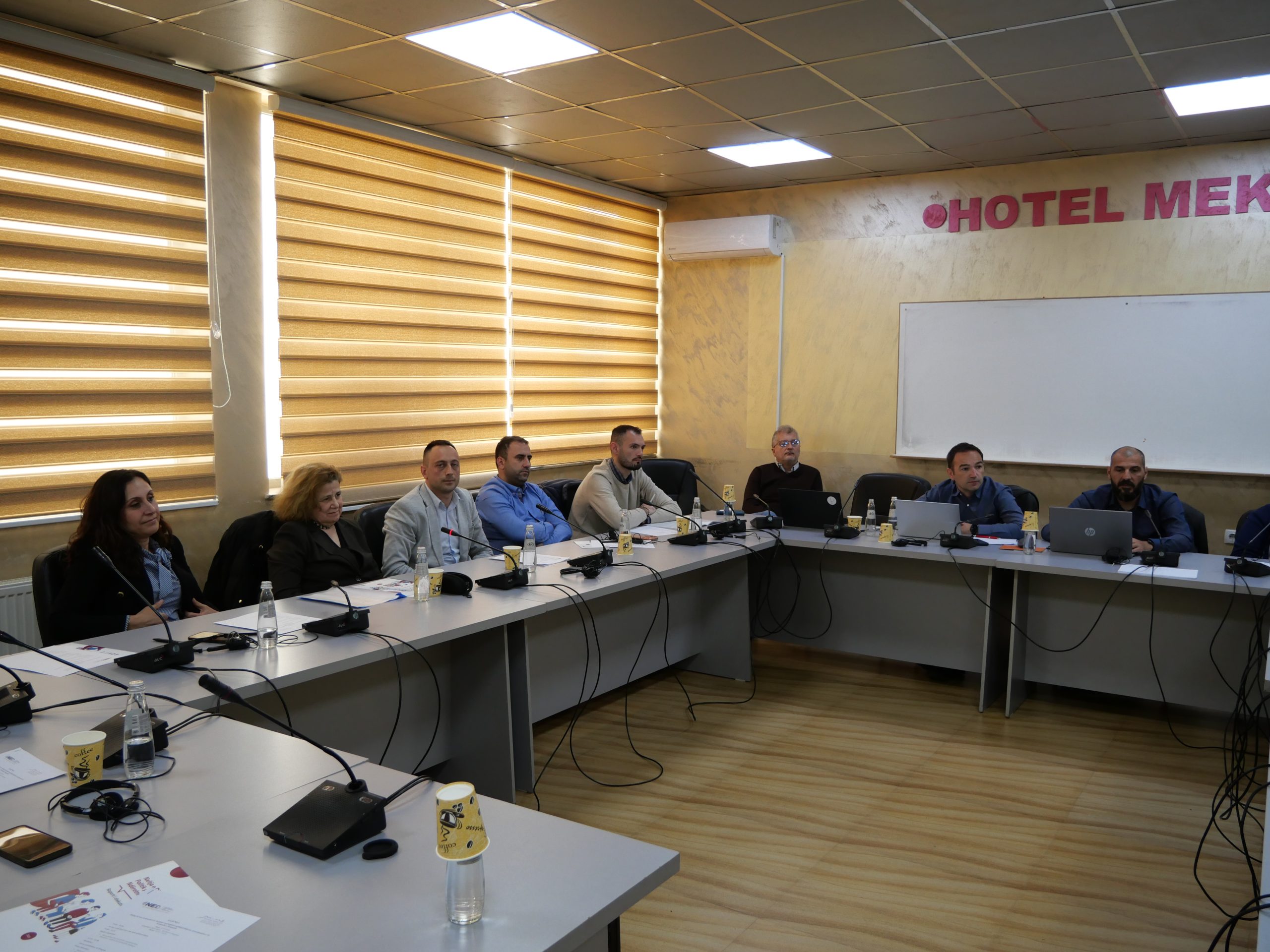
Infrastructure isolation, unemployment, youth migration, and the lack of basic public services remain among the key challenges faced by communities in Dragash. These were some of the main topics raised during a meeting organized by the Musine Kokalari Institute for Social Policy, which brought together participants from the Albanian, Gorani, and Bosniak communities, including members of the municipal assembly, civil society actors, private sector representatives, and local activists.
During the discussion, participants shared their concerns regarding living conditions, economic development, and the social challenges affecting the region. While intercommunal relations were generally described as stable and free of major ethnic tensions, it was emphasized that communities remain largely separated, particularly in the education and healthcare systems. Language barriers and the lack of joint activities were also highlighted as factors limiting communication and cooperation among young people.
One of the main concerns raised was infrastructure and the lack of public investment. Participants called for improved road connections to Prizren, as well as more substantial investments in water supply, electricity, and internet access, particularly in rural areas. Waste management challenges, the lack of investment in water infrastructure, and the presence of illegal dumpsites were also discussed, as issues that negatively affect both quality of life and the environment.
Unemployment, especially among young people, was identified as a central issue across all communities. Participants stressed the lack of industry and the limited opportunities for small business development, noting that many young people, even after completing their studies, leave Dragash due to the absence of перспективs. Migration was described as a widespread phenomenon, particularly within the Gorani community, where a significant portion of the population lives and works abroad.
The meeting also addressed the untapped potential of tourism, agriculture, and livestock farming. Participants noted that Dragash holds strong economic potential, but lack of infrastructure, limited institutional support, and legal restrictions related to the national park continue to hinder private investment and local development. The diaspora was also highlighted as an important potential driver of investment and regional development.
Concerns were also raised regarding the lack of basic health and education services. The shortage of specialists such as gynecologists and pediatricians was emphasized, along with the need for more childcare centers and vocational schools. The discussion further highlighted the importance of vocational training and practical skills development for young people in fields such as construction, tailoring, and other trades.
Local institutions were called upon to take more concrete action on economic development, youth and women’s empowerment, as well as to support more cultural and sports activities that could create spaces for cooperation and intercommunal interaction.
This activity was implemented within the project “Promoting Political Dialogue on Interethnic and Social Cohesion,” supported by the National Endowment for Democracy (NED).