Staff & Boards
Staff
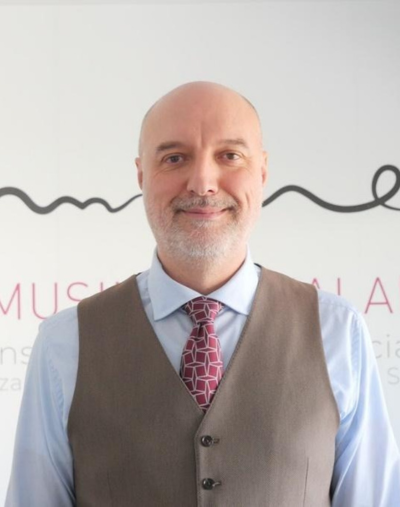
Visar Ymeri
Executive Director
Visar Ymeri has experience in political leadership, governance and media. As a former politician and policy-maker, he has served as vice-chair of the Social Democratic Party and as chair of the Vetëvendosje Movement, playing an important role in political developments in Kosovo since 2005. During three terms as a member of the Assembly of the Republic of Kosovo, he has contributed to significant legislative initiatives, particularly in the areas of European integration and economic development. His professional experience also includes public relations and journalism, where he served as Public Relations Officer at the Pension Savings Fund of Kosovo and as Deputy Editor-in-Chief at Kohavision. He studied Sociology at the University of Prishtina and pursued further studies in the fields of media, politics, literature and philosophy in London (United Kingdom).
visarymeri@musineinstitute.org
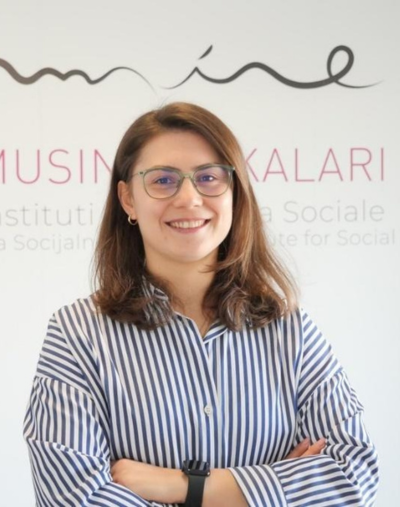
Drenusha Canolli
Program Director
Drenusha Canolli has experience in investigative journalism, project management and public policy research. She previously worked as an investigative journalist at Insajderi (2016–2021), where she was recognised for her reporting on political and social issues, including an award-winning environmental investigation. From 2021 to 2023, Drenusha Canolli managed projects on disinformation, youth advocacy and women’s empowerment at the Democracy for Development (D4D) Institute, while during the 2023–2024 period she was part of The Balkan Forum, where she led initiatives on the circular economy, the green agenda and environmental policies. She holds a Master’s degree in Sociology. Her research and writing areas include environmental justice, cultural heritage, disinformation and labour rights.
drenusha.canolli@musineinstitute.org

Besëarta Spanca
Financial Director
Besëarta Spanca has work experience in finance and risk management, with both academic and practical experience. She completed her bachelor’s degree in Business Management and Entrepreneurship at Staffordshire University, after which she was awarded a prestigious scholarship to successfully pursue a master’s degree in Finance and Risk Management at the University of Sheffield. Since July 2021, Besëarta Spanca has served as the Finance Director at the Musine Kokalari Institute, demonstrating exceptional expertise, strategic leadership, and an unwavering commitment to financial integrity and the institution’s development.
besearta.hasani@musineinstitute.org
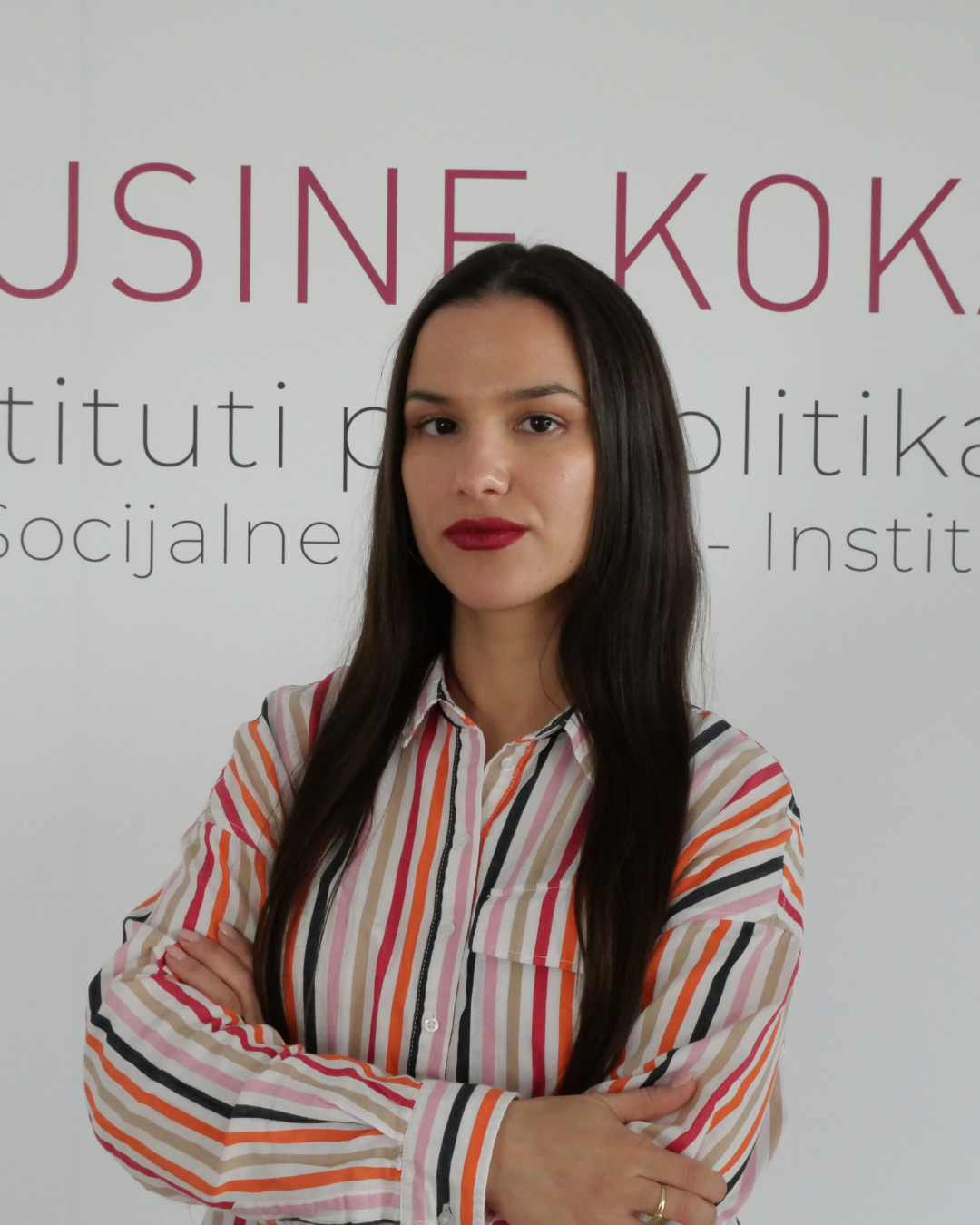
Donika Gashi
Senior Researcher and Project Coordinator
Donika Gashi is a research and policy specialist with experience in evidence-based analysis in the public and non-profit sectors in Kosovo. Her work focuses on governance, social development, and institutional sustainability, with a particular emphasis on security and critical infrastructure.
She has worked as a Senior Research Analyst at UBO Consulting, where she led social development projects and conducted evaluations of policies, projects, and programs. Prior to that, she worked as a researcher at the Kosovar Centre for Security Studies, focusing on public security, integrity in the security sector, foreign policy, and citizens’ perceptions of state institutions.
Donika Gashi is a Fulbright scholar and holds a dual degree in International Relations from the American College of Thessaloniki (Greece) and the Open University (United Kingdom). She completed her Master of Science in Security and Resilience at Northeastern University in Boston (USA).
donika.marku@musineinstitute.org
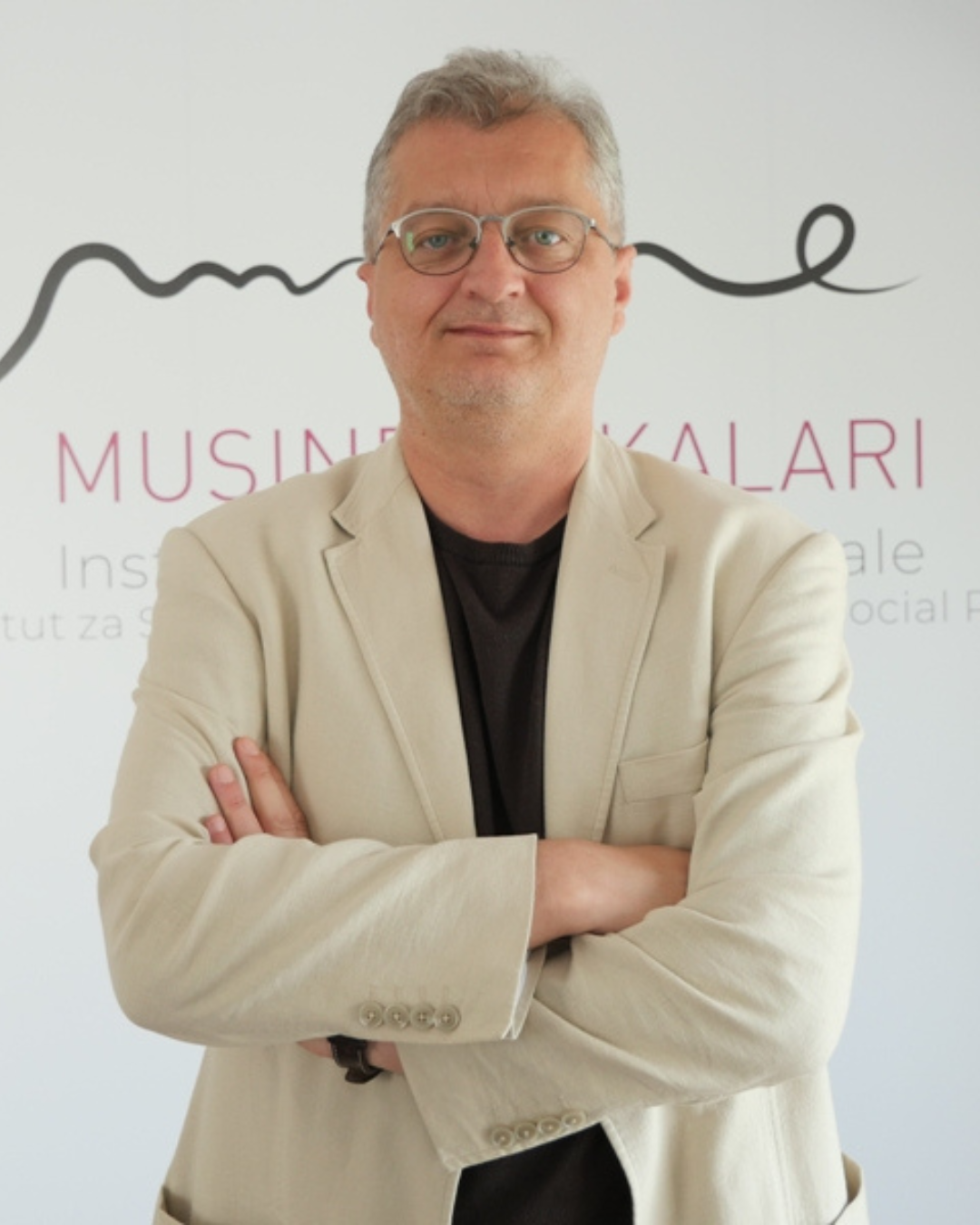
Belgzim Kamberi
Project Manager
Belgzim Kamberi has work experience in the fields of social sciences, journalism, publicistika, literary translation and advocacy for human and minority rights. He has contributed to various international and local media outlets and has been active in the region’s civil society. For a period, he has also been active in politics, holding various positions in the Vetëvendosje Movement and the Social Democratic Party of Kosovo. Belgzim Kamberi graduated in French Language and Literature from the University of Prishtina and holds a master’s degree in Political Sociology from the Université Paris VIII (France).
belgzimkamberi@musineinstitute.org
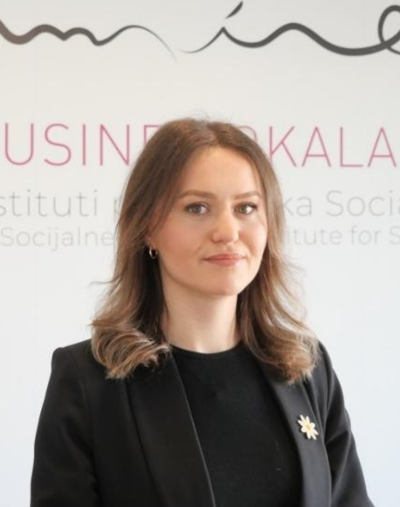
Manushaqe Latifi
Finance and Administration Officer
Manushaqe Latifi has work experience in finance, accounting and financial management. She completed her bachelor’s degree at the Public University of Gjilani ‘Kadri Zeka’ and her master’s degree at the University of Prishtina. She has recently been certified in QuickBooks and successfully combines academic knowledge with practical experience in accounting, demonstrating the ability to contribute to operations and financial management. Since April 2024, she has been working as a Finance and Administration Officer at the ‘Musine Kokalari Institute for Social Policy’, drawing on her previous experience as a project assistant and local consultant for finance and administration at GIZ Kosovo.
manushaqe.latifi@musineinstitute.org
Board of Directors

Marigonë Drevinja
Chair
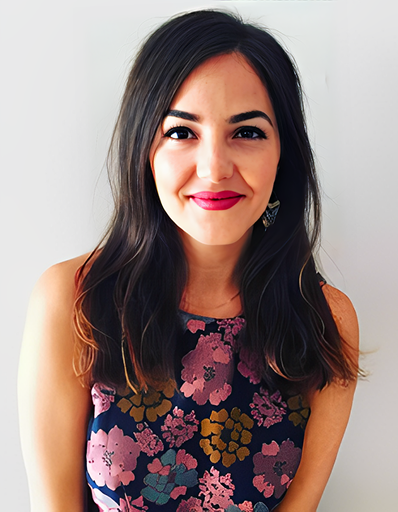
Adelina Hasani
Member
Adelina Hasani is a senior researcher at the Kosovar Centre for Security Studies (KCSS). She completed her studies at the Faculty of Political Science at Ankara University and her master’s degree in Human Rights and Democracy in Development for South-Eastern Europe at the University of Sarajevo and the University of Bologna (ERMA program). She defended her doctorate in International Relations in Ankara. Adelina Hasani has published several studies on gender, nationalism and Russian foreign policy and worked as an external advisor to the Ministry of Foreign Affairs of Kosovo during its efforts for membership in the Council of Europe.
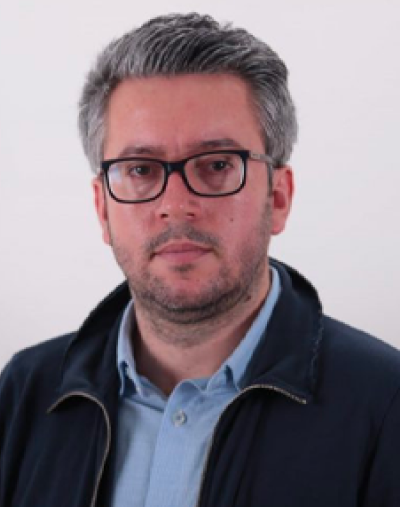
Artan Mustafa
Member
Artan Mustafa, PhD, is a researcher with a focus on social policy, sustainable social development, and the social basis of policy. He serves as a national expert on pensions and social inclusion at the European Social Policy Analysis Network (ESPAN). During the academic year 2024/5, he was a Jean Monnet Fellow at the European University Institute (EUI). Artan Mustafa has lectured at the University of Vienna and UBT College.
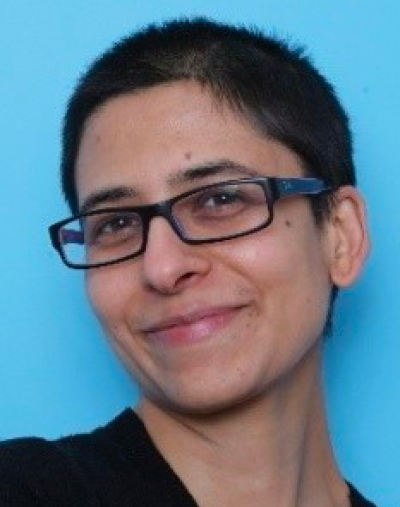
Jelena Savić
Member
Jelena Savić is a PhD candidate at Uppsala University in Sweden, at the Center for Gender Research. She has completed postgraduate studies in philosophy and andragogy. Jelena Savić researches dehumanization in the intersection of racism, sexism and speciesism, while in her most recent works she focuses on the concept of “whiteness” in the European context, exploring relations of power, identity and social inequalities. She is (co)author of several studies and research publications that combine critical theory, ethics and social philosophy.
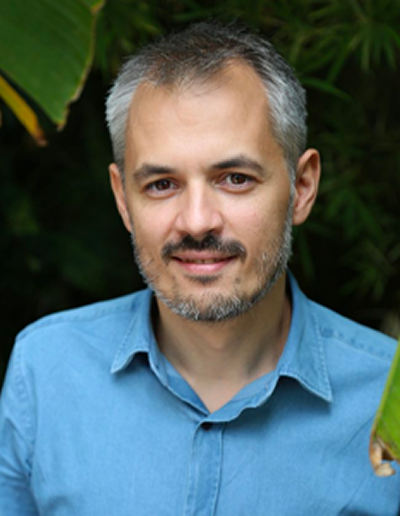
Agon Maliqi
Member
Agon Maliqi is a policy analyst, social activist and publicist. He co-founded the Albanian platform for analysis and opinions “Sbunker”, which promotes new voices from academia and civil society. Agon Maliqi completed his bachelor’s degree in Political Science and European Studies at the American University in Bulgaria and later received his master’s degree in International Development Policy at Duke University in the USA in 2012. He currently works as an independent advisor and nonresident senior fellow at the Atlantic Council – Europe Center, contributing to issues of democracy, security and media in the Balkans.
Advisory Board
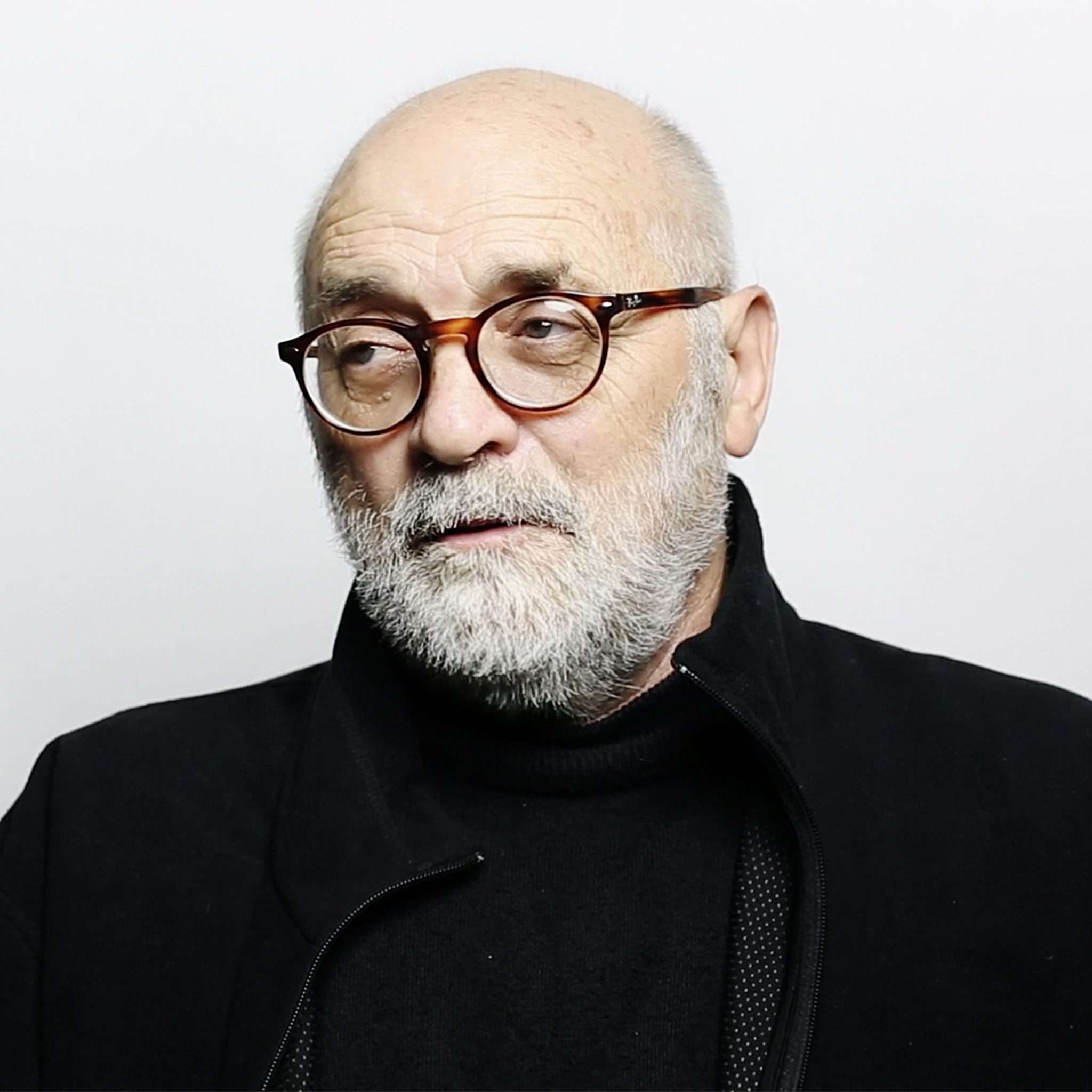
Shkëlzen Maliqi
Member
Shkëlzen Maliqi is a philosopher, essayist and publicist. He studied philosophy at the University of Zagreb and was shaped by contemporary traditions of critical thought and cultural theories. In his career, he has worked as a researcher, cultural critic and political analyst, contributing to think tanks, civil society organizations and international platforms for dialogue and democratic development. In public life, Maliqi was engaged in the democratization processes of Kosovo during the 1990s, promoting dialogue between communities and pluralistic political alternatives. He remains known for his critical thinking, analyses of identity and politics in the Balkans, as well as for his role in fostering public debate, pluralism and strengthening civil society in Kosovo.
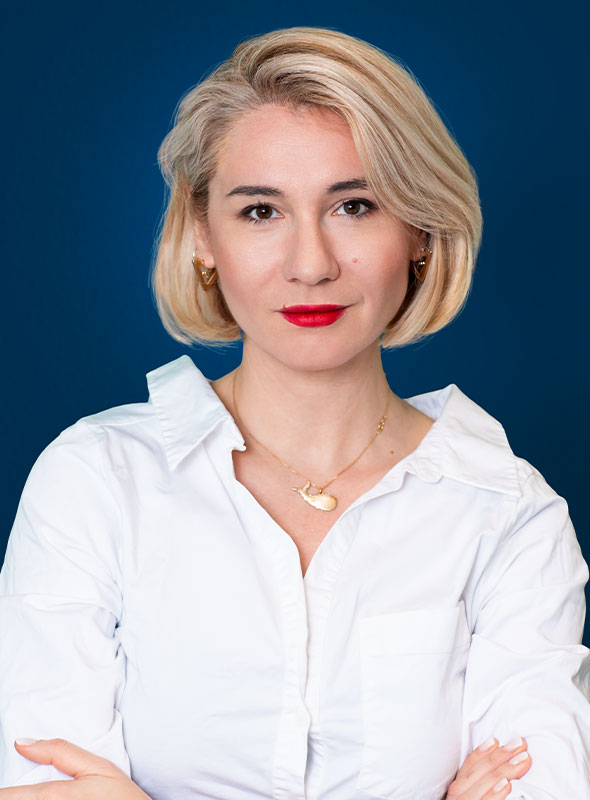
Donika Emini
Member

Ivan Vejvoda
Member
Ivan Vejvoda is a renowned political scientist, diplomat and analyst of European and regional politics, with a long career in promoting democracy, European integration and international cooperation in the Balkans. He currently directs the “Europe’s Futures” program at the Institut für die Wissenschaften vom Menschen (IWM) in Vienna. He previously served as Director for the Western Balkans and Senior Vice President at the German Marshall Fund of the United States (GMF), where he led programs on democratic transition and Euro-Atlantic integration in the region. He graduated from the Institut d’études politiques de Paris (Sciences Po) and completed postgraduate studies in philosophy at the University of Belgrade, while he has lectured as a visiting professor at various European and American universities. Ivan Vejvoda is the author of numerous studies and analyses on Europe, the Balkans, security and global politics, and remains one of the most respected voices in international relations in the region.
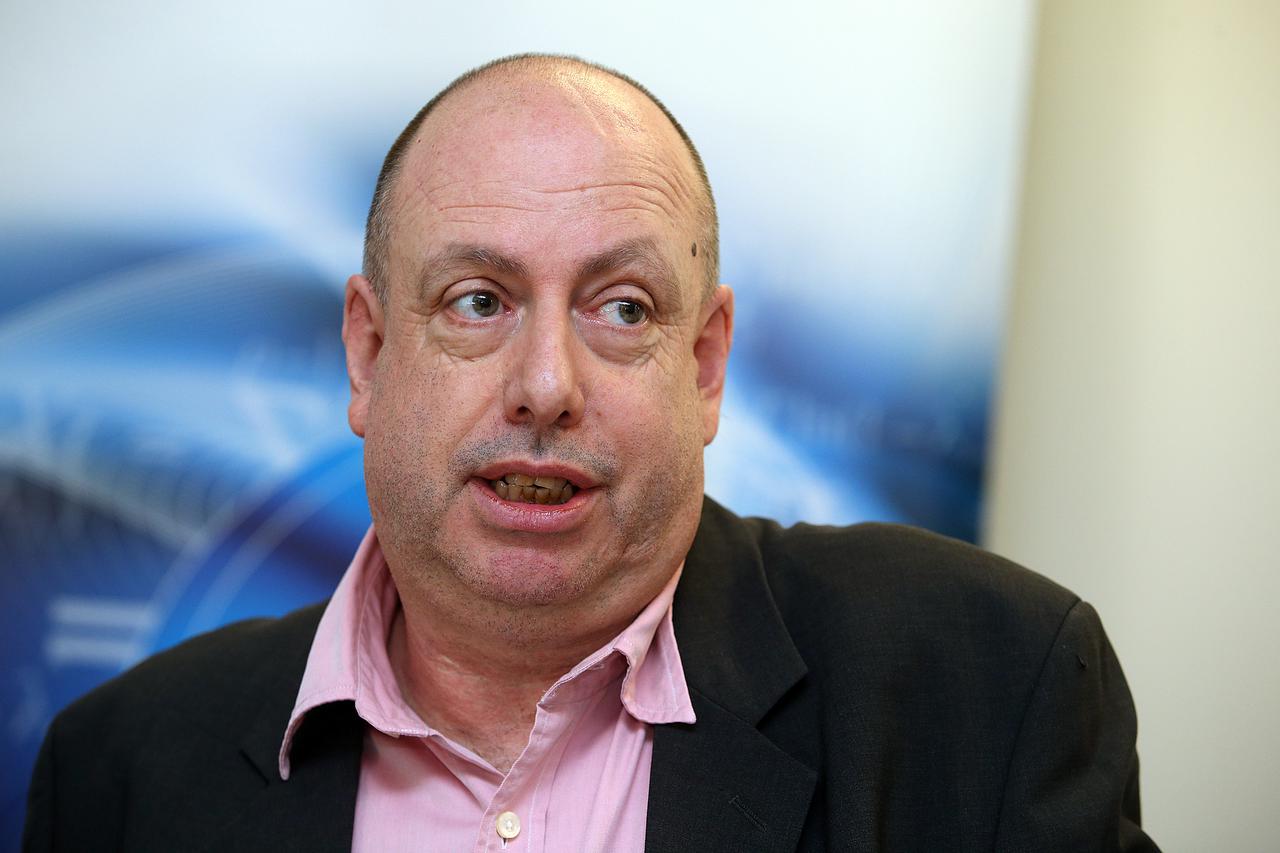
Paul Stubbs
Member
Paul Stubbs is a UK-born sociologist who has lived and worked in Croatia and the wider South-Eastern European region since 1993. He has an extensive academic and research career in the fields of social policy, sociology of transition and comparative regional studies. He is currently a Senior Research Fellow at the Institute of Economics in Zagreb, where his research focuses on international actors and the political economy of social welfare, policy translation and transfer, social movements, welfare state policies and the legacy of Yugoslav socialism in the contemporary context. Paul Stubbs collaborates with academic institutions and international organisations in the Balkans, Europe and beyond, contributing to important projects on poverty, inequality, social mobilization and social justice.

Fatos Lubonja
Member
Fatos Lubonja is a writer, publicist and publisher, as well as editor of the quarterly magazine “Përpjekja”. He served 17 years in prison during the Stalinist regime of Enver Hoxha, mainly in Spaç, the most notorious camp for political prisoners in Albania. Lubonja is the author of novels, essays and studies that deal with national myths, nationalism, democratic transition and mechanisms of power in post-dictatorial societies. He has published scientific and journalistic articles in international magazines and platforms, becoming one of the most articulate voices of social criticism in the region. For his contribution to literature, freedom of expression and democracy, Fatos Lubonja has been recognized with important international awards.

Nathalie Clayer
Member
Nathalie Clayer is a Research Director at the École des hautes études en sciences sociales (EHESS) and a researcher at the Centre d’études turques, ottomanes, balkaniques et centrasiatiques (CETOBaC) in Paris. She is one of the most internationally renowned scholars in the field of Ottoman and post-Ottoman history. Her research focuses on religion and popular religiosity, nationalism, collective identities and state-building processes in the Balkans and the wider Ottoman space. Nathalie Clayer has published a large number of studies, monographs and scientific articles, and is considered an important authority in the analysis of social, political and cultural transformations in Southeast Europe from the 19th century to the present day.
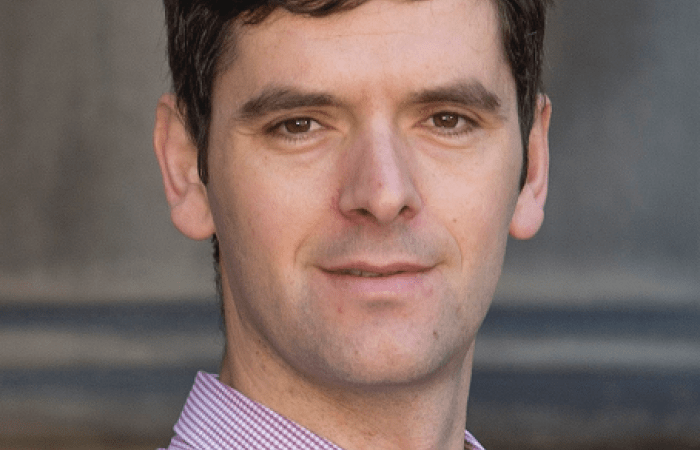
Gëzim Krasniqi
Member
Gëzim Krasniqi is a lecturer in Nationalism and Political Sociology and director of the Nationalism Studies Programme at the University of Edinburgh in Scotland. He is a renowned scholar in the field of nationalism, citizenship, identity politics and state-building processes in Southeastern Europe and beyond. Gëzim Krasniqi has published widely on issues of statehood, nationality, ethnic minorities and political integration, contributing to international academic journals and high-profile research projects. He has lectured and conducted research at several European and transatlantic universities, becoming one of the leading scholars of his generation in the study of nationalism.
Ermira Danaj
Member
Ermira Danaj holds a PhD in humanities and social sciences from the University of Neuchâtel in Switzerland. Since 2002, she has authored and co-authored a number of research reports, books, articles and academic contributions in the field of gender and feminist studies, with a particular focus on Albania and the Balkans. Her research addresses key issues such as gender in the communist and post-communist period, feminist activism in post-socialist contexts, as well as gender analysis of migration, the labor market and social transformations. Ermira Danaj has collaborated with local and international research institutions and is considered one of the leading voices in feminist studies in the region.
External Collaborators
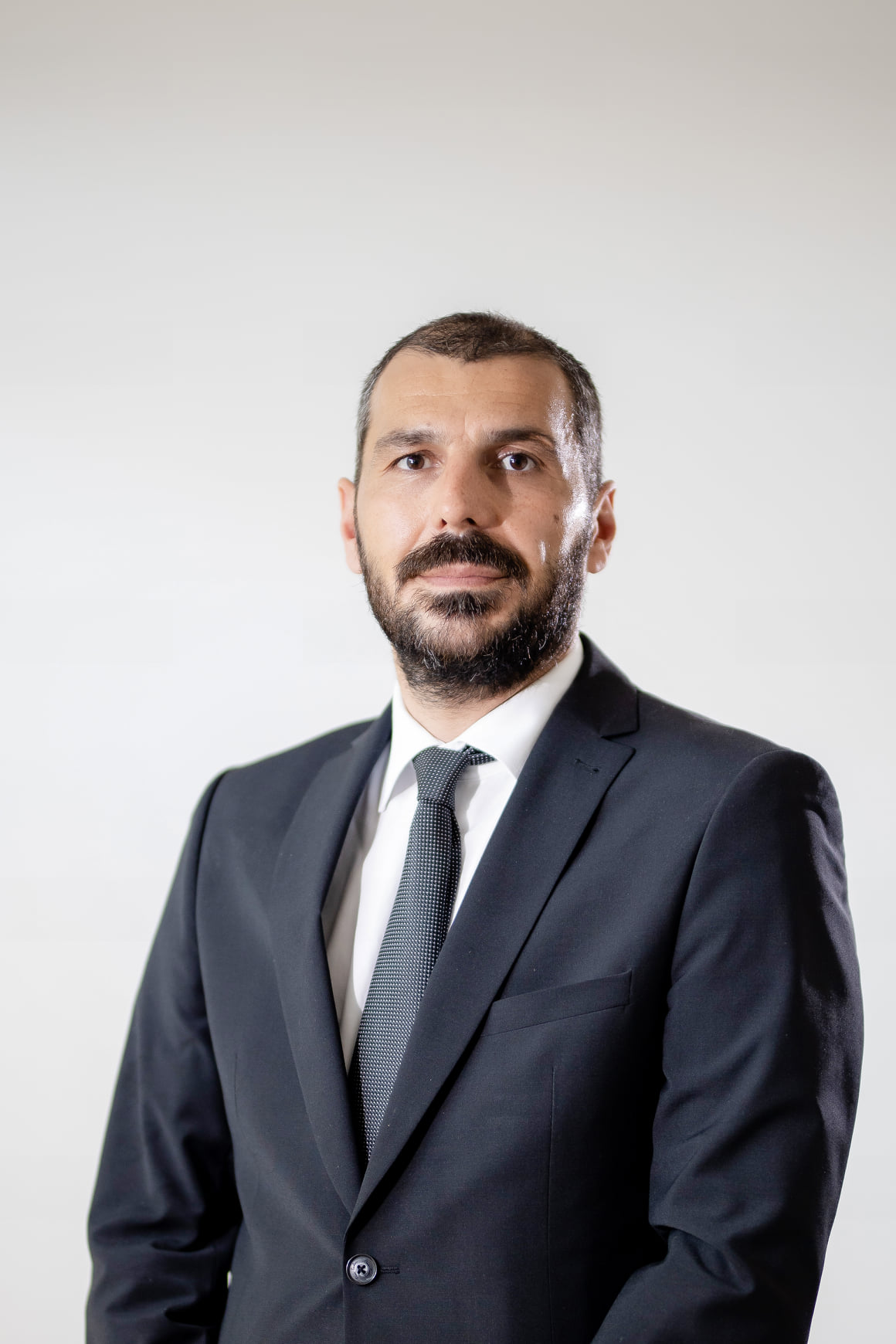
Senad Šabović
Senad Šabović is the representative of the European Institute of Peace (eip.org) for the Western Balkans, where he focuses on supporting the normalization of relations between Kosovo and Serbia. He brings two decades of experience in democratization, minority rights, transitional justice, and good governance, gained through his work at the Humanitarian Law Center, the International Crisis Group, the OSCE Mission in Kosovo, and as an independent consultant.

Ardiana Gashi
Ardiana Gashi is a professor at the Faculty of Economics at the University of Prishtina “Hasan Prishtina,” specializing in labor economics, gender economics, econometrics, and statistics. She completed her master’s and doctoral studies at Staffordshire University in the United Kingdom (2001–2007), where she conducted research on human capital and labor market developments. Throughout her academic career, she has taught a broad range of economics courses and engaged in research projects addressing employment, migration, gender equality, and social policies in Kosovo and the broader region.

Fisnik Rexhepi
Fisnik Rexhepi is a former Chief Political Adviser to the Minister of Internal Affairs of the Republic of Kosovo and has over 18 years of experience in public institutions. He has played an active role in the EU-facilitated normalization dialogue with Serbia, contributing to the negotiation and implementation of key agreements, including Integrated Border Management and Freedom of Movement. He holds an MA from the University of Sussex, strengthening his profile in governance, security, and international affairs.
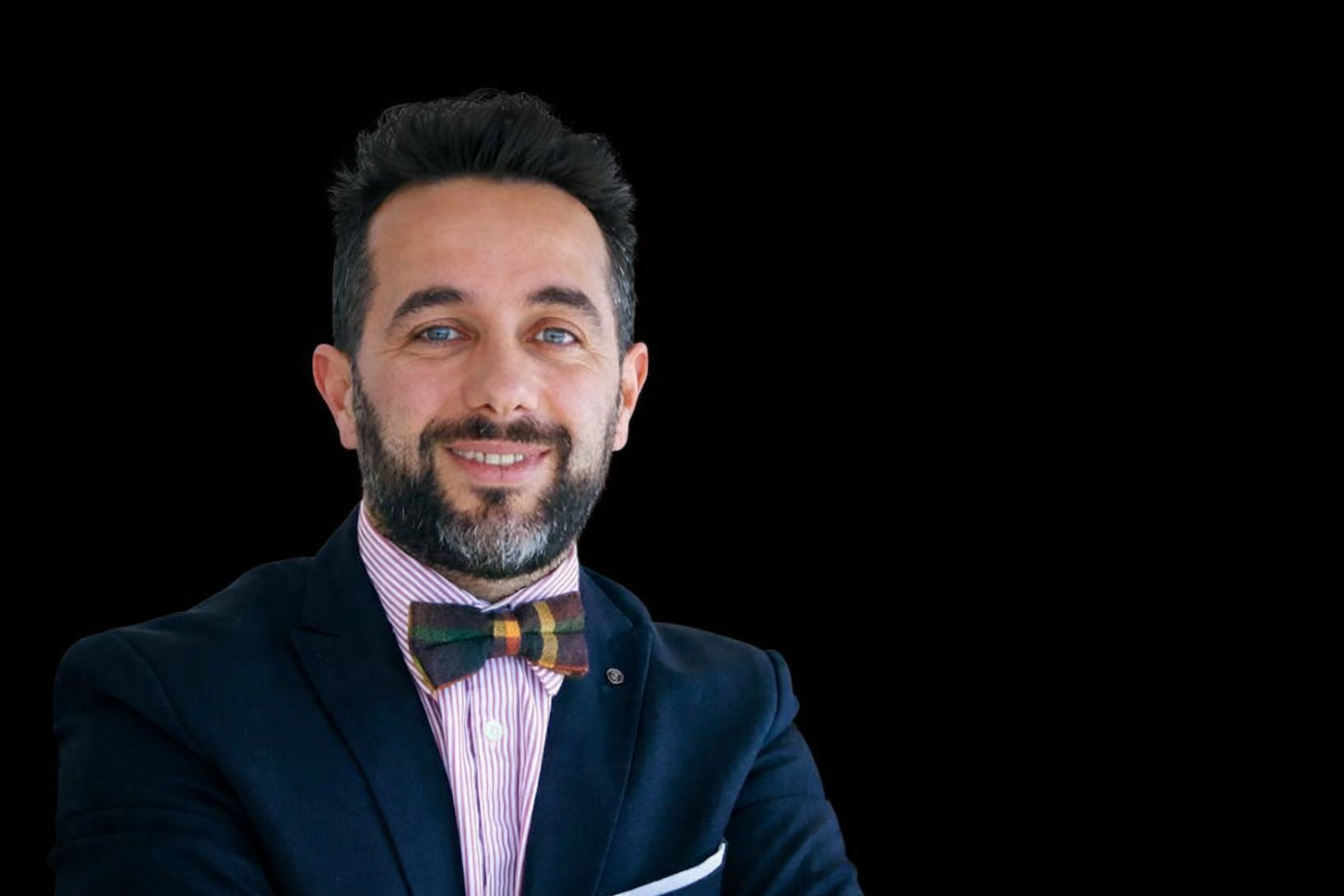
Shenoll Muharremi
Shenoll Muharremi is the Executive Director of The Development Group LLC and a leading expert on EU integration, economic development, and good governance in Kosovo. He is the former Head of the National Agency for European Integration and has advised international organizations and governments on key reform processes. He holds degrees from the University of Sussex (UK) and the American University in Bulgaria.

Aleksandar Pavlović
Aleksandar Pavlović is a Senior Research Fellow at the Institute for Philosophy and Social Theory in Belgrade and holds a PhD in Southeast European Studies from the University of Nottingham. He has been a visiting fellow at research centers in Graz, Bucharest, Tirana, and Budapest, and is a recipient of several international scholarships and awards. His research focuses on the cultural history of the Balkans, Serbian-Albanian relations, and traditional Balkan society.
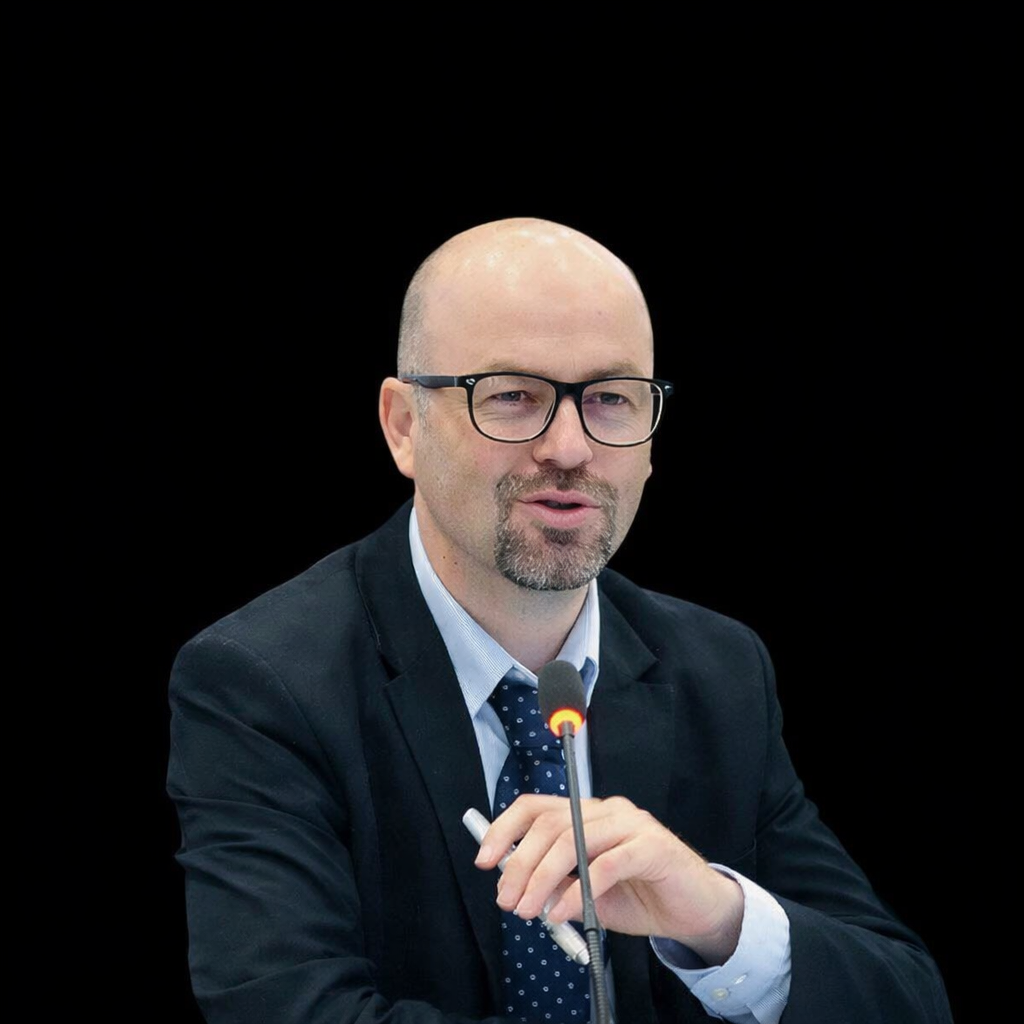
Alban Bokshi
Alban Bokshi holds an MA in Continental Philosophy from Staffordshire University (UK), an MA in Contemporary European Studies from the University of Sussex (UK), and a BA in European Studies and International Relations/Political Science from the American University in Bulgaria. He has extensive experience in the civil society sector as a founder, director, researcher, and project manager in several NGOs, working on issues ranging from anti-corruption and foreign policy analysis to art and philosophy.

Branko Milanović
Branko Milanović is a Research Professor at the Graduate Center of the City University of New York (CUNY), a Senior Scholar at CUNY’s Stone Center on Socio-Economic Inequality, and a Visiting Professor at the International Inequalities Institute at the London School of Economics. He is one of the world’s leading economists on global inequality, with a distinguished career that includes long service as Lead Economist in the World Bank’s Research Department. His work has shaped contemporary debates on income distribution, globalization, and the dynamics of capitalism, making him a central figure in the study of global economic disparities.
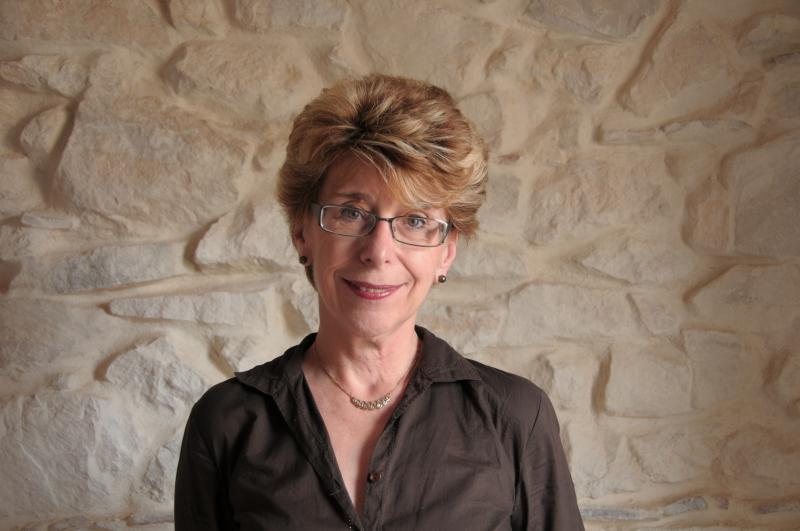
Maria Todorova
Maria Todorova is the Gutgsell Professor of History Emerita at the University of Illinois Urbana-Champaign and a member of the American Academy of Arts and Sciences. She is an internationally renowned historian of Southeastern Europe whose work has profoundly influenced global understandings of the Balkans, nationalism, and historical memory. Over her distinguished career, she has authored numerous studies and edited major volumes on memory, identity, and the politics of historical representation. Todorova has held prestigious fellowships, delivered keynote lectures worldwide, and remains one of the most authoritative voices on the history and cultural imagination of the Balkans.
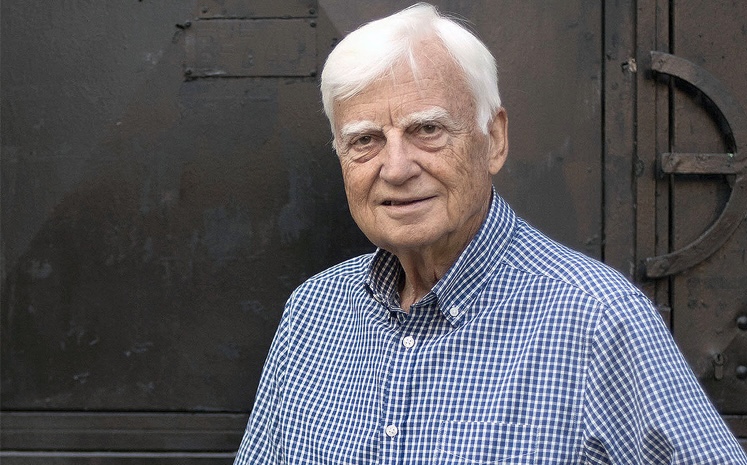
Ivan Čolović
Ivan Čolović is an ethnologist, anthropologist and cultural studies scholar. He graduated with a degree and a master’s in Literature from the Faculty of Philology, and completed his doctorate in Ethnology at the Faculty of Philosophy in Belgrade. In 1971 he founded the publishing house Biblioteka XX vek, one of the most important intellectual and critical platforms in the former Yugoslav space. During his career, Ivan Čolović has published a considerable number of studies on literature, urban ethnology, ethnolinguistics and political anthropology, and co-founded important intellectual initiatives such as the Association of Independent Intellectuals, Belgrade Circle and the Independent Writers’ Forum, establishing himself as an important critical voice in the analysis of culture and society in Southeast Europe.
Supporters & Donors



Partners & Networks