The Academy for Public and Social Policy Musine Kokalari 2026

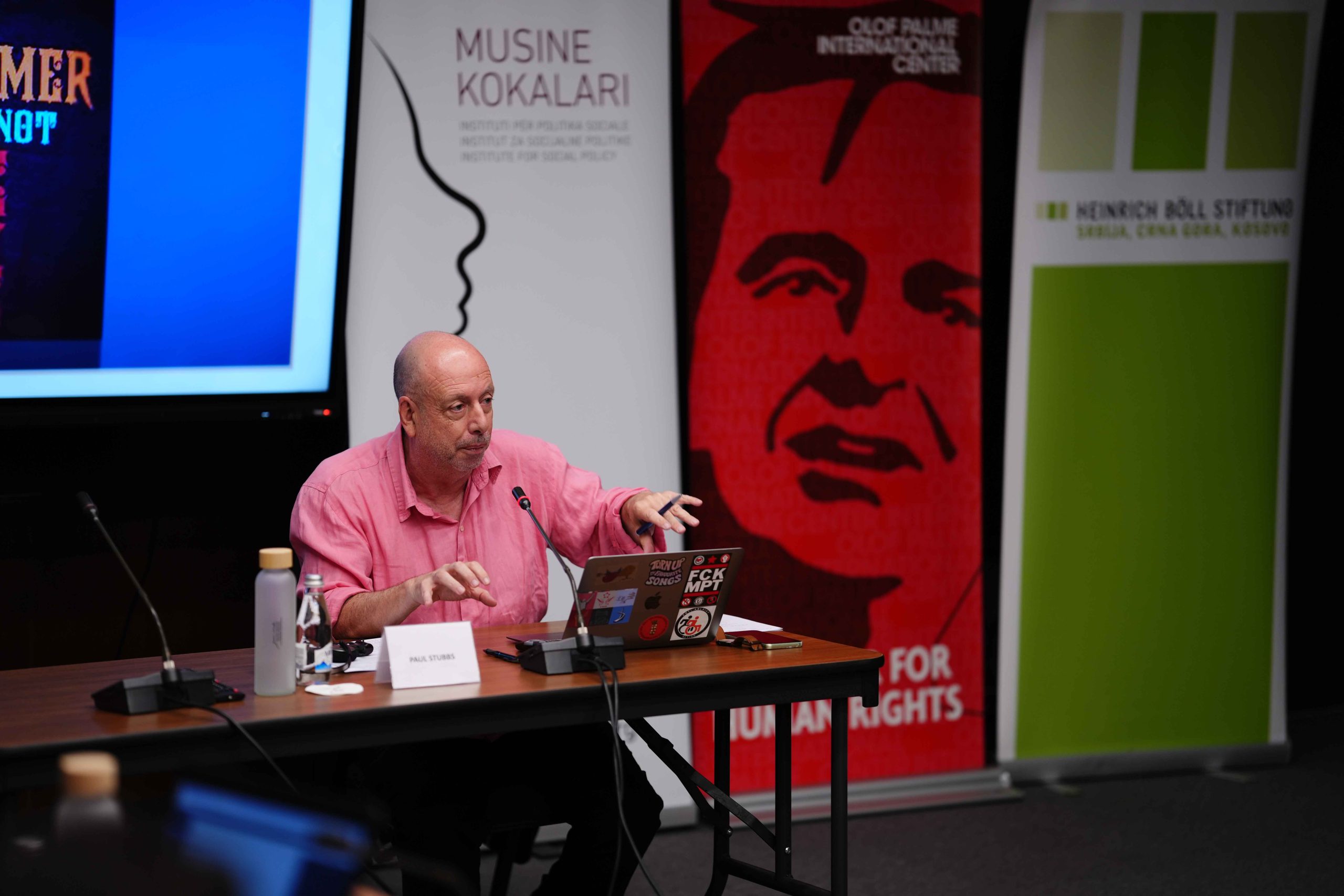
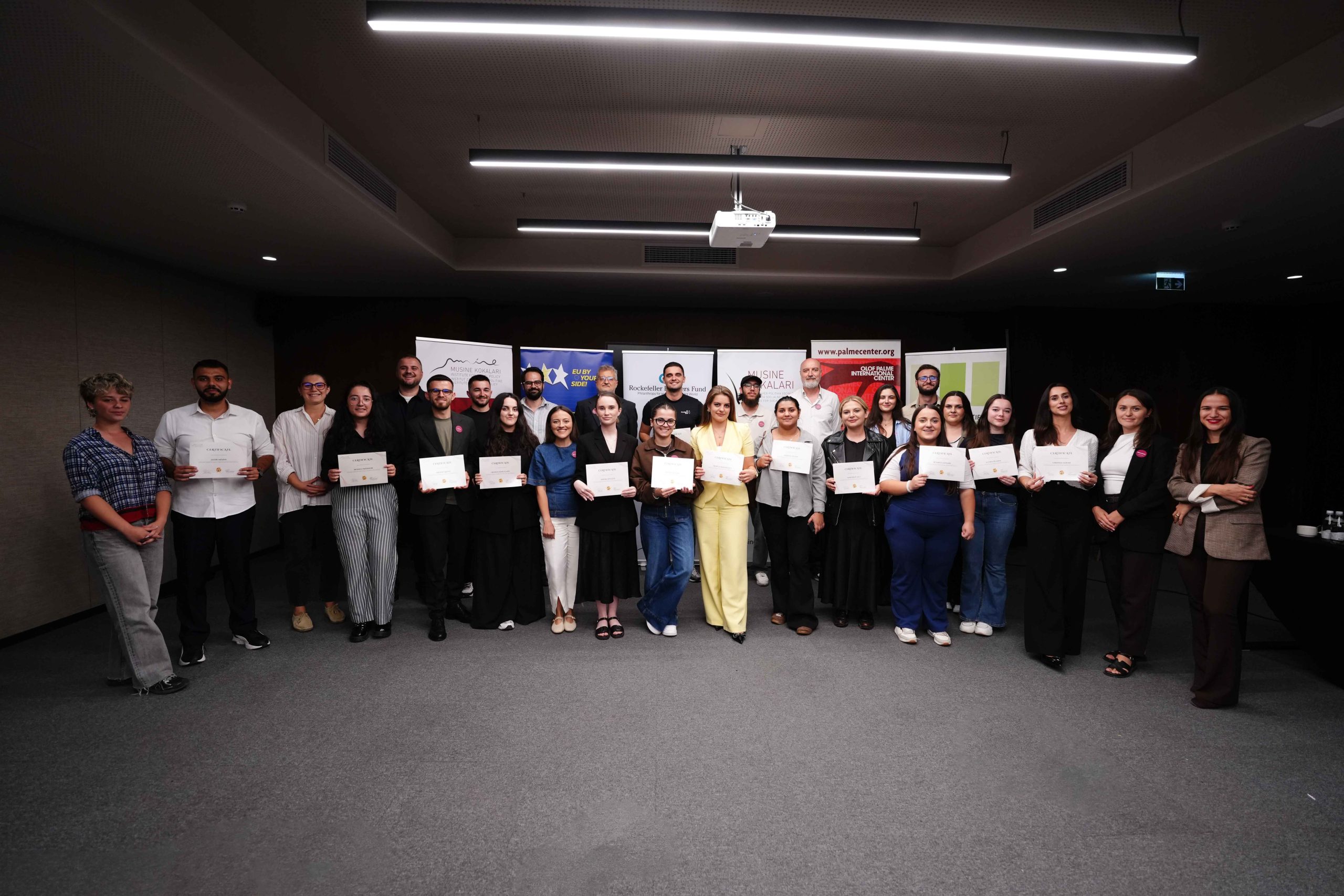

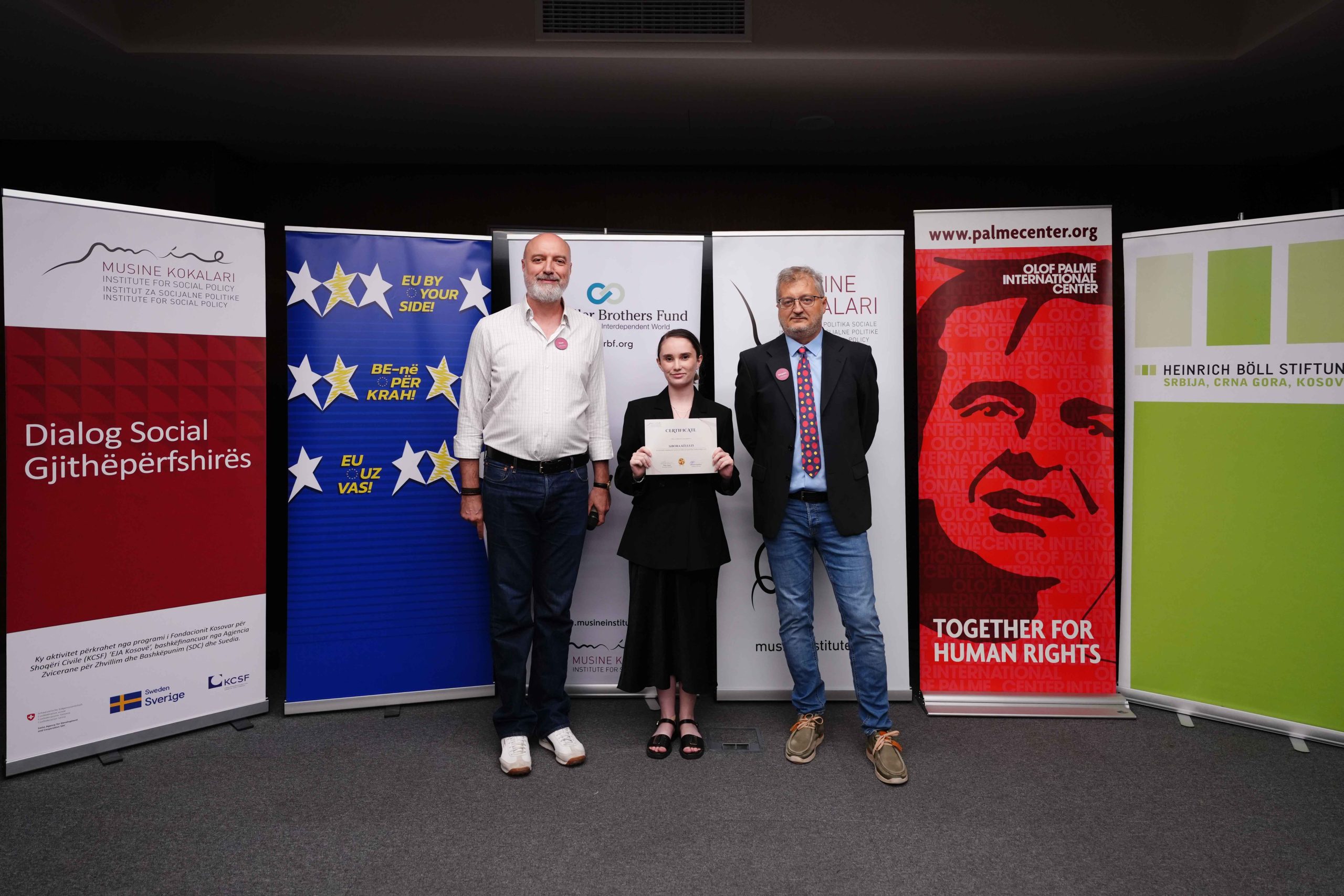
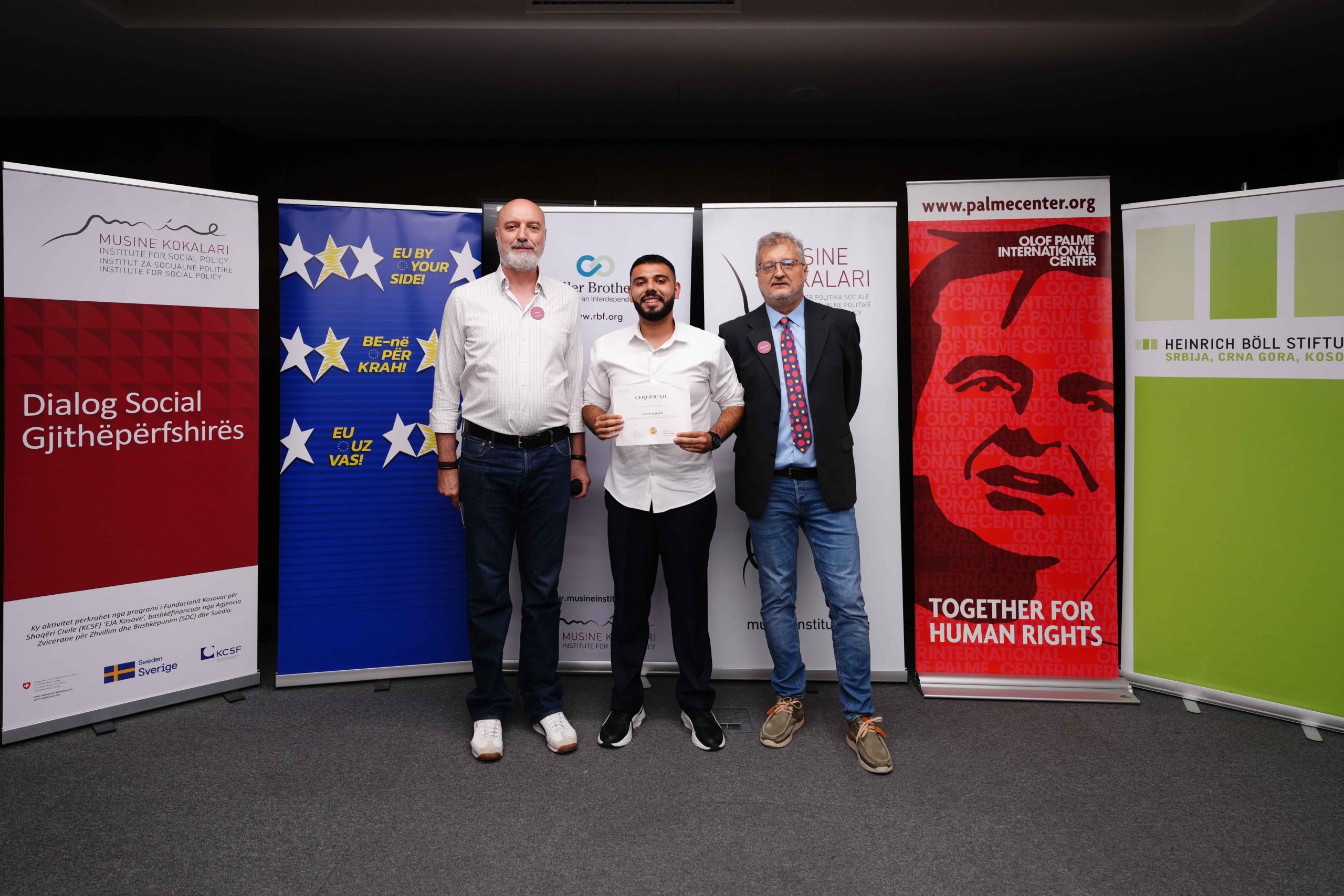
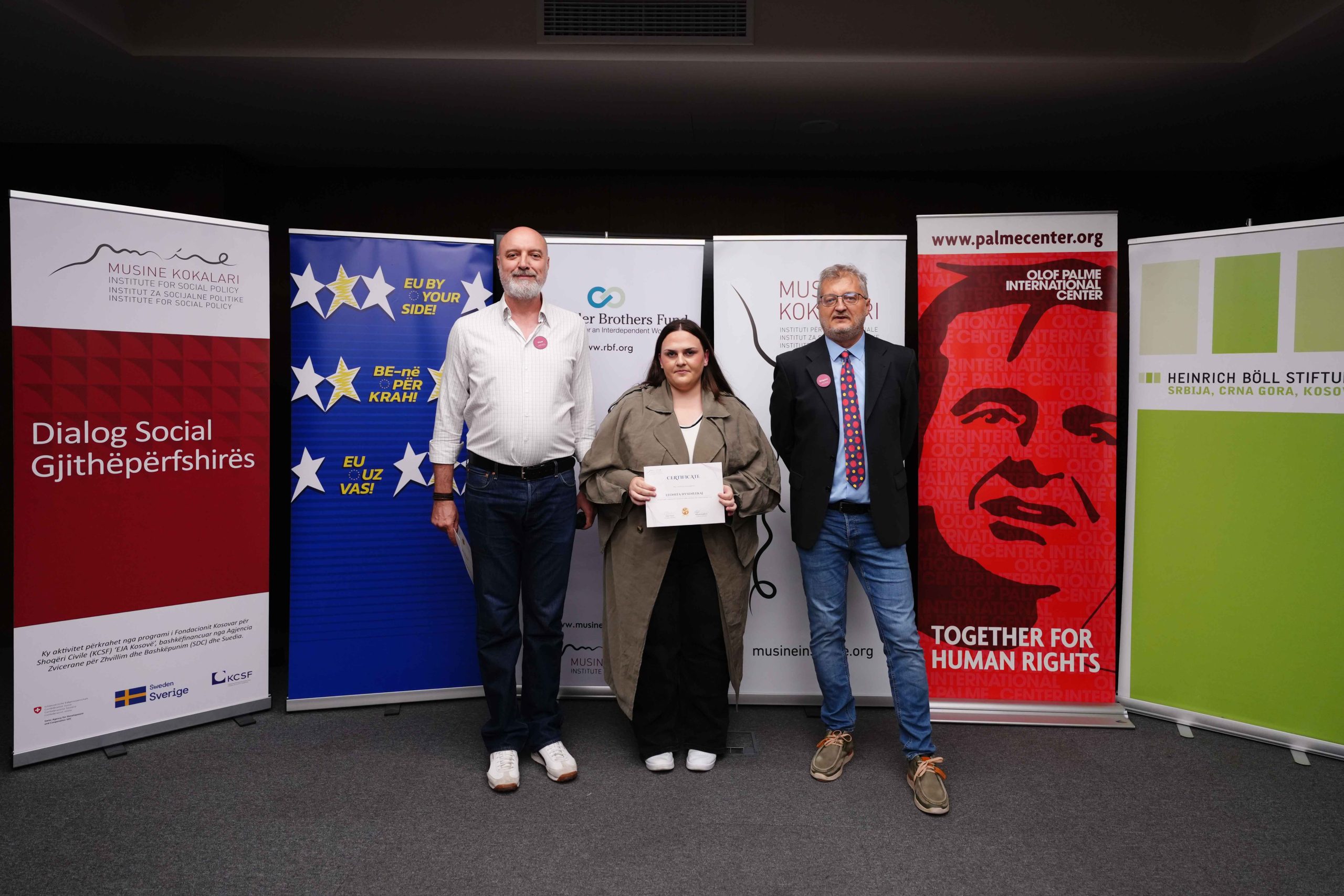



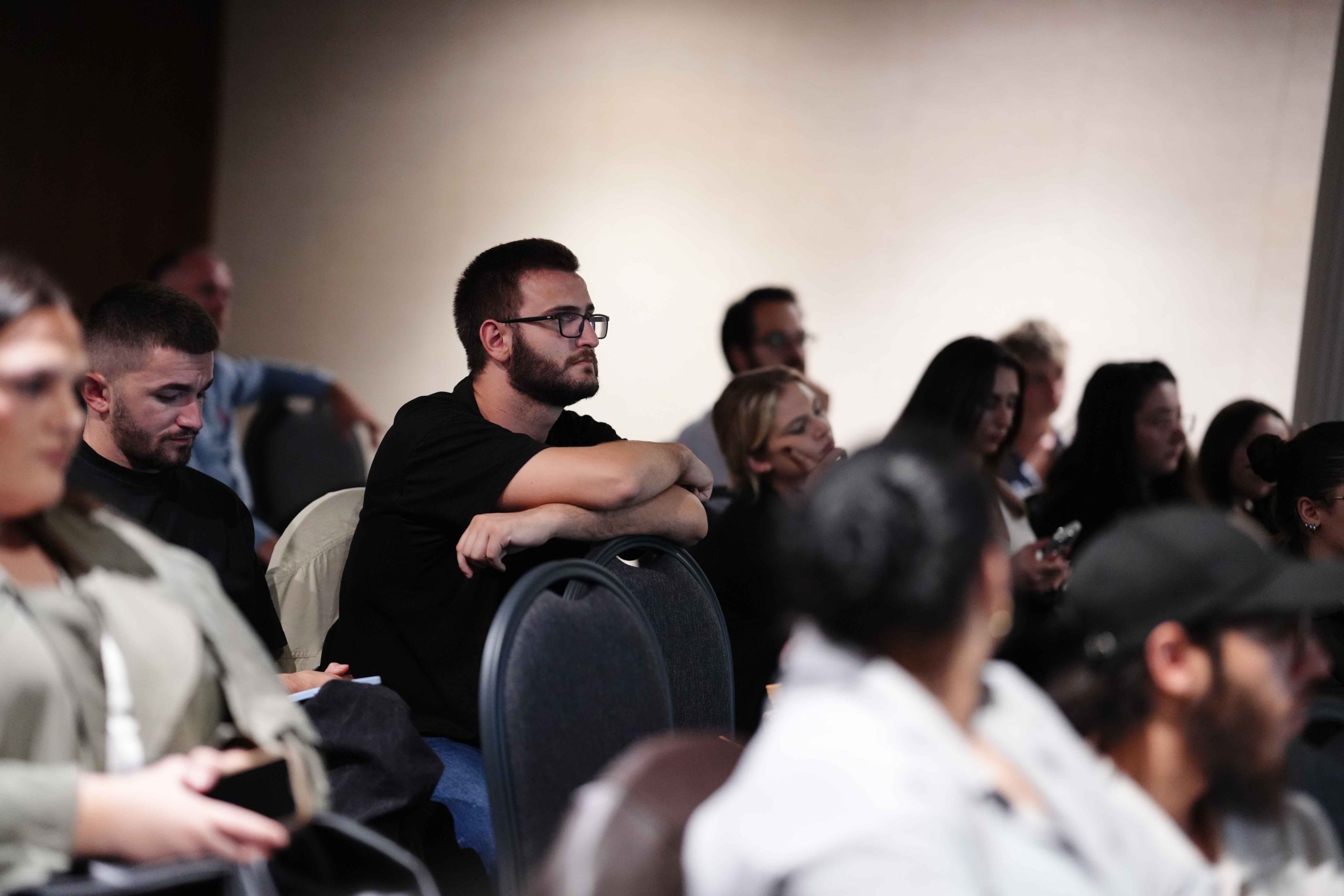
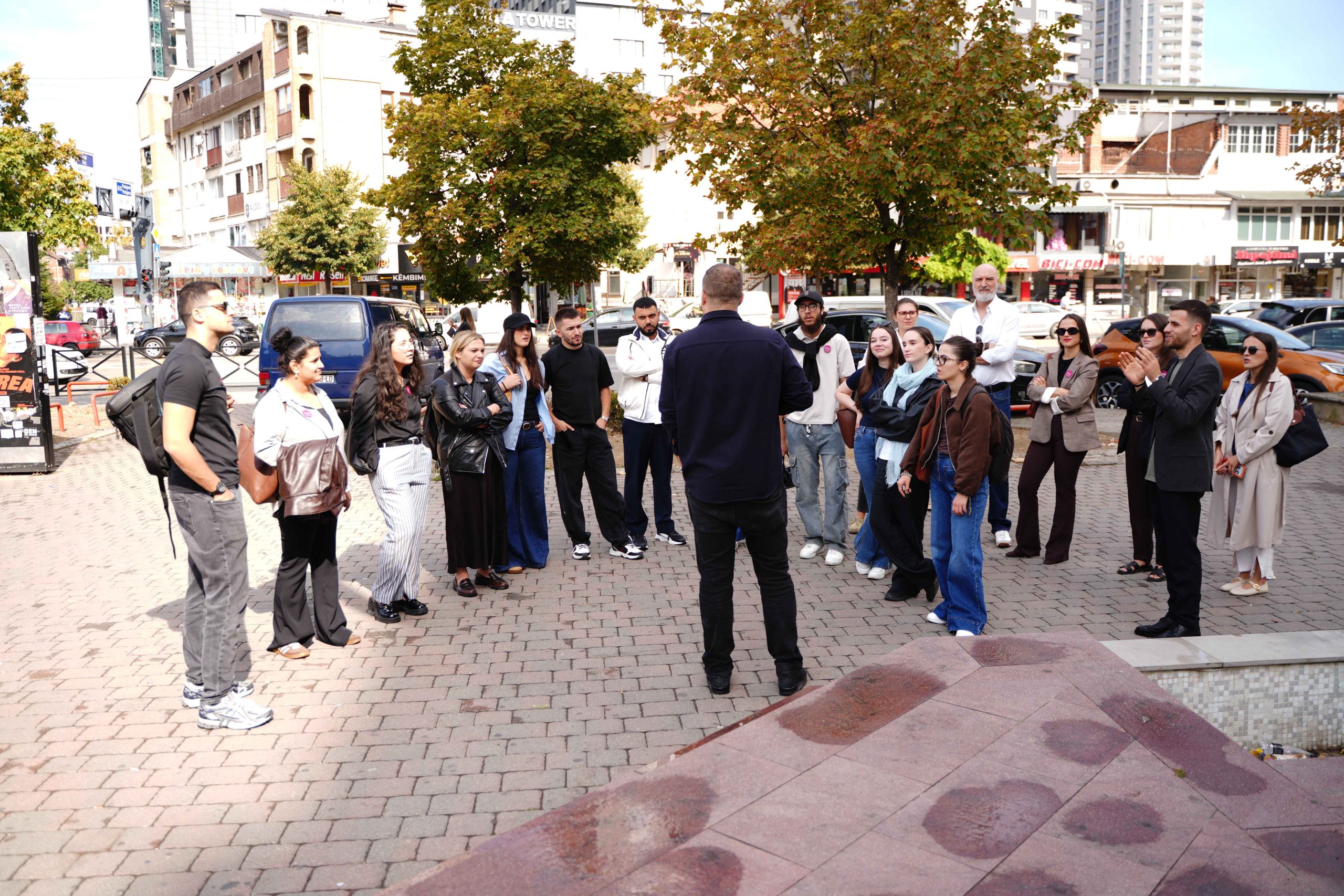
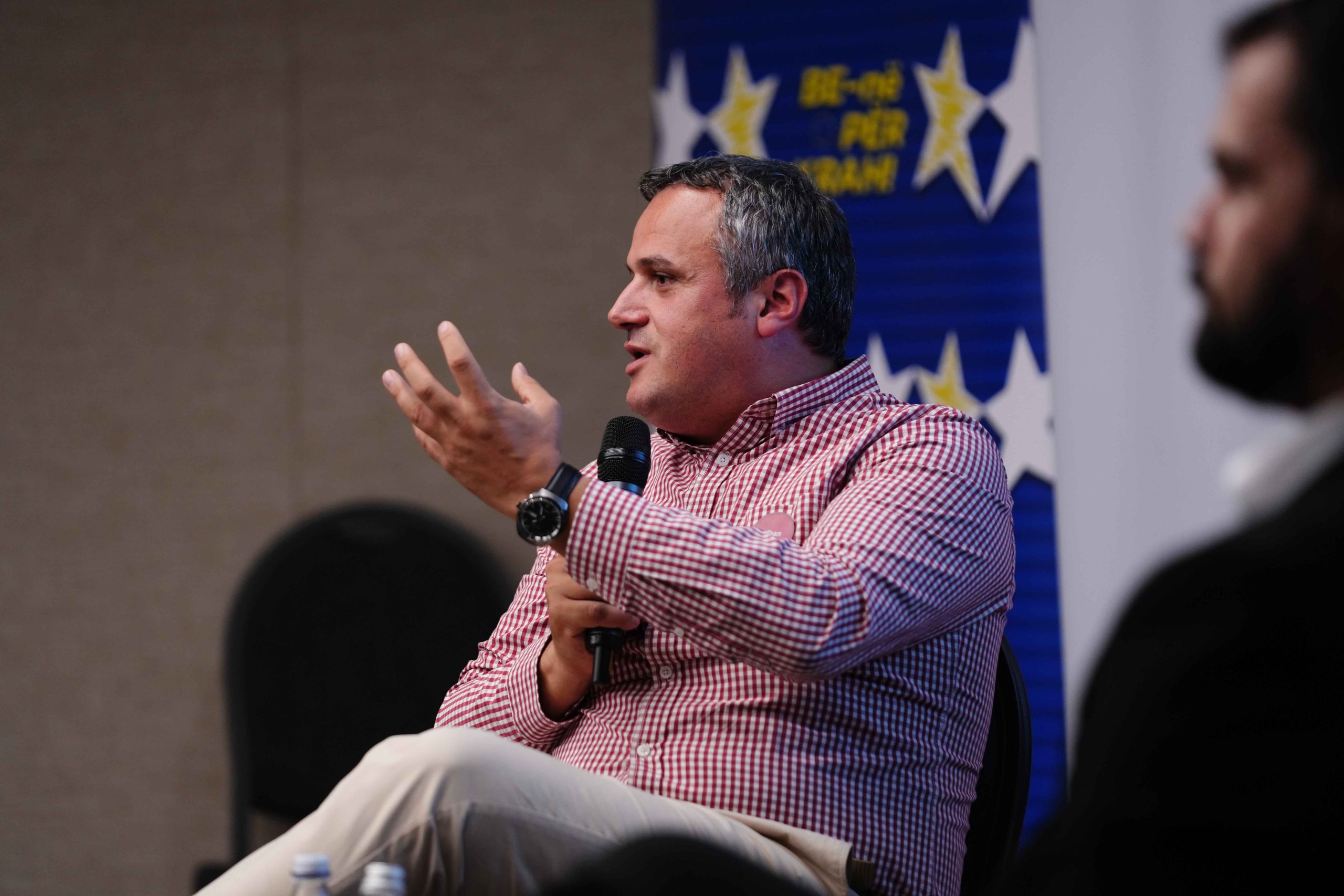
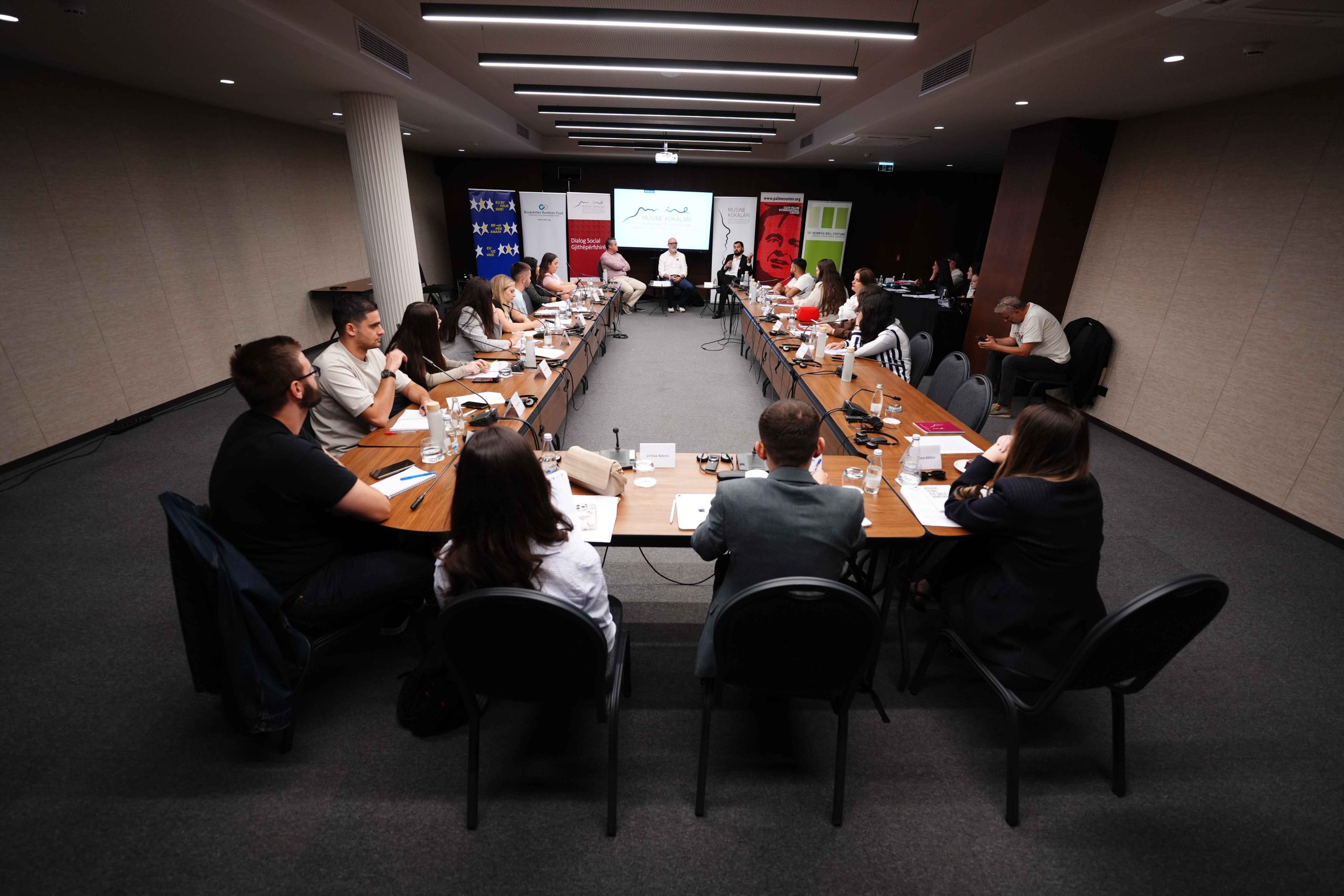
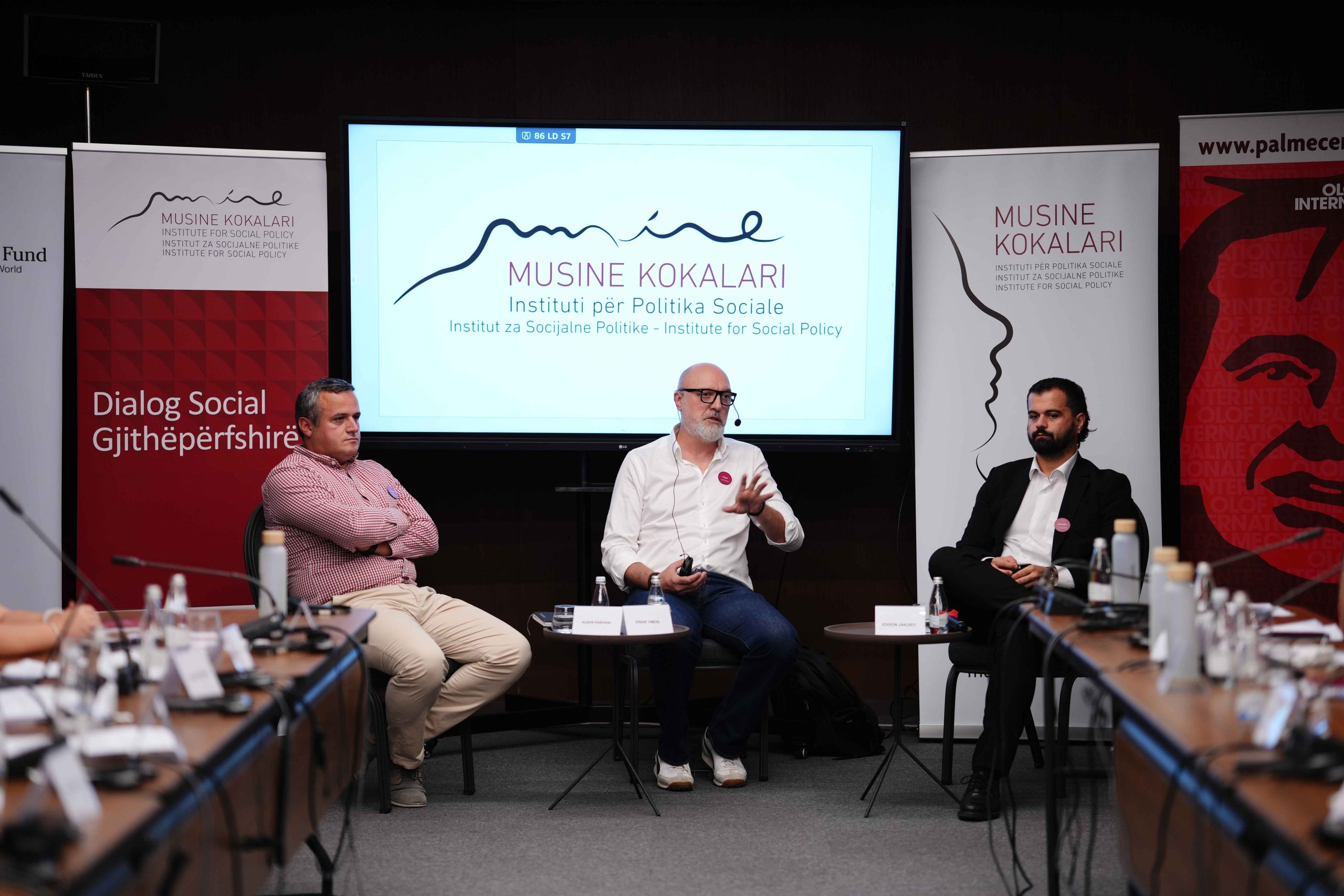

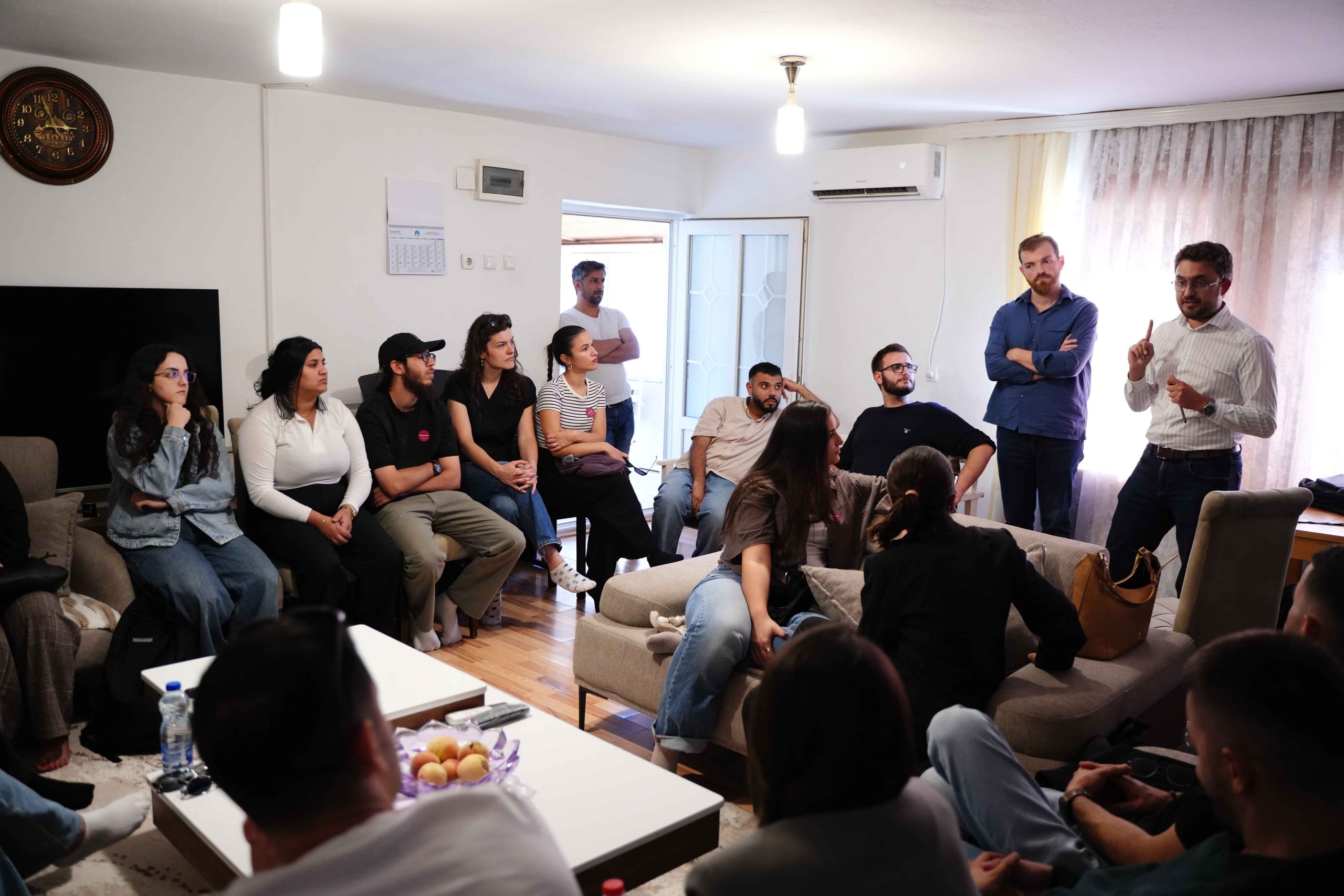
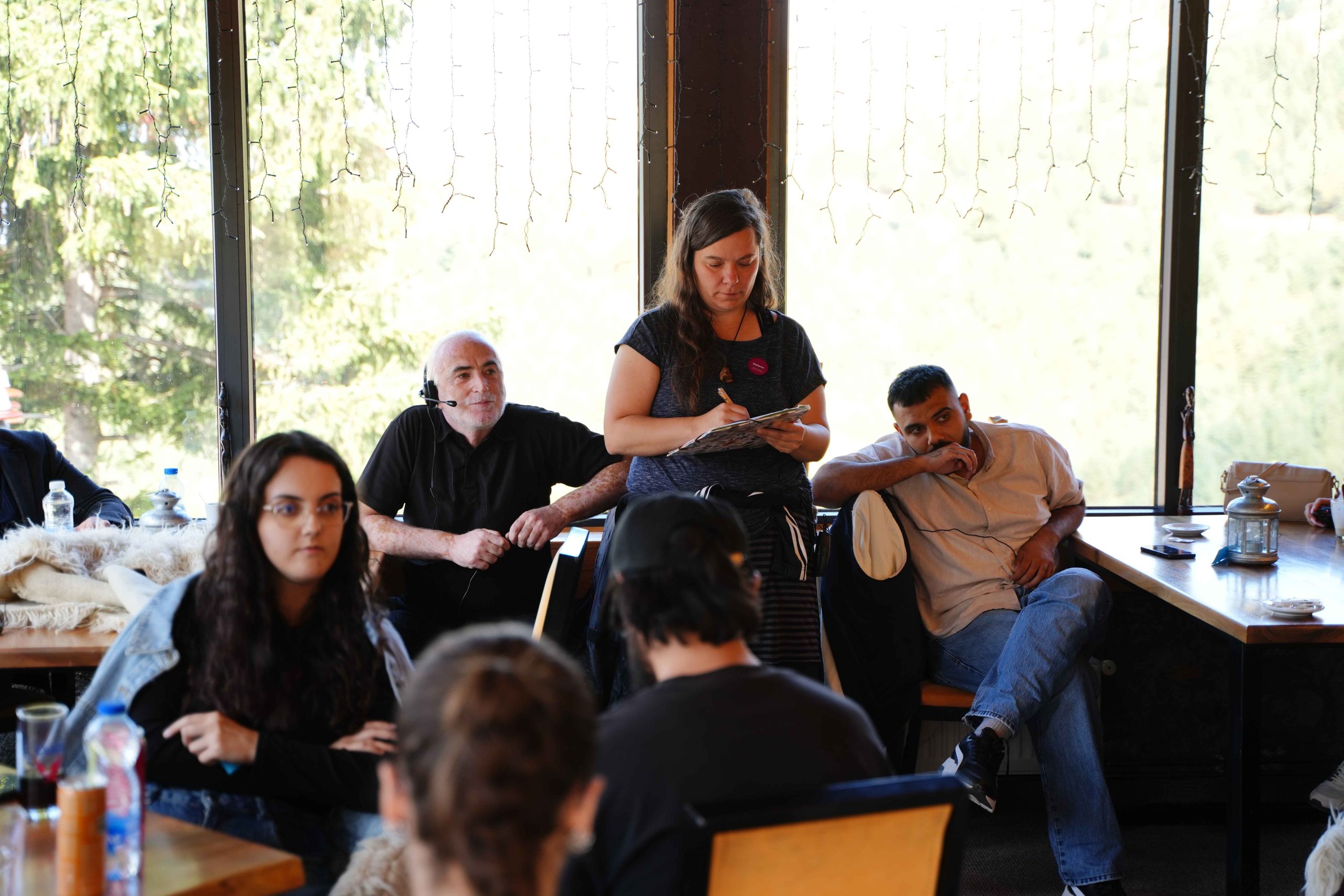
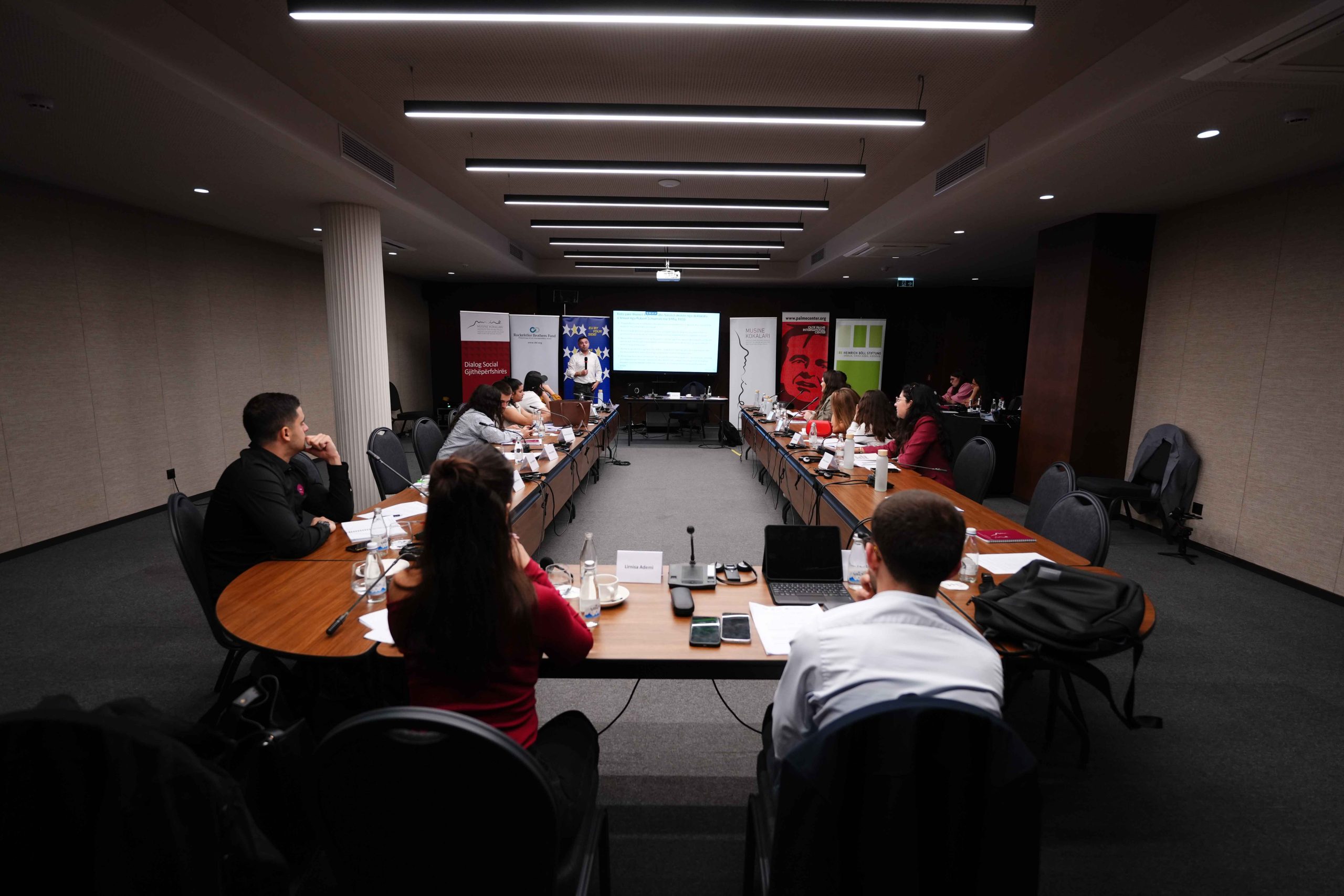
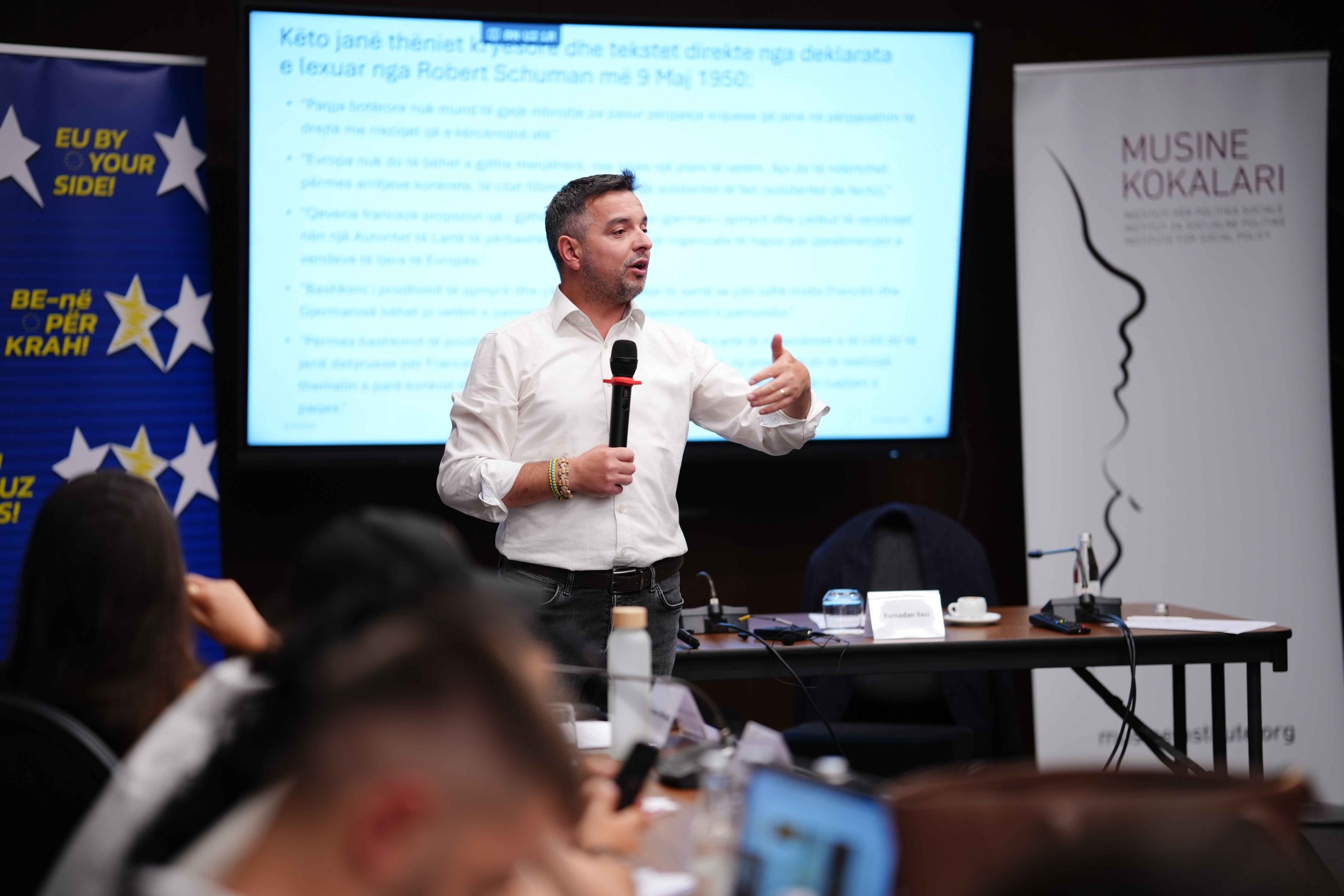
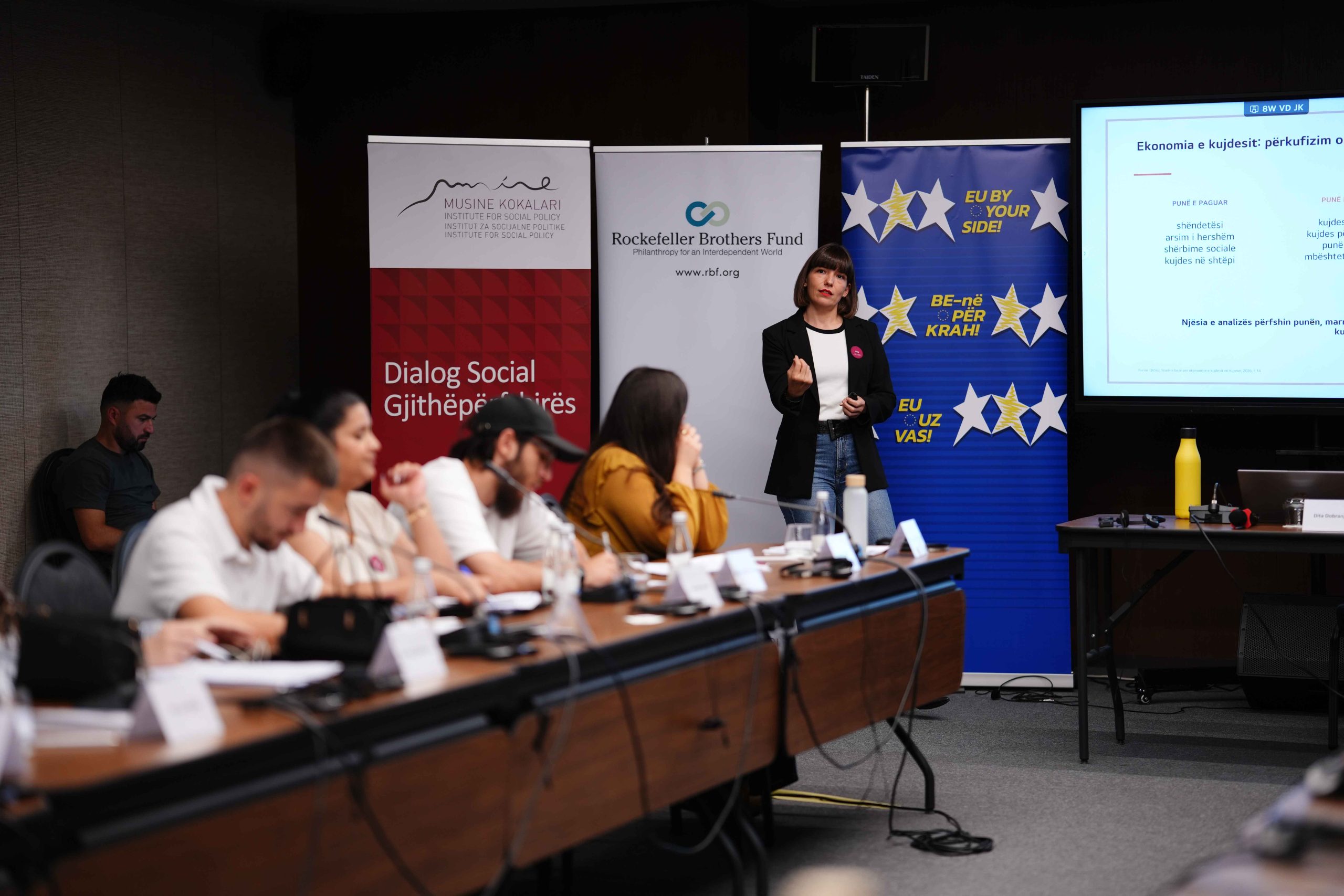
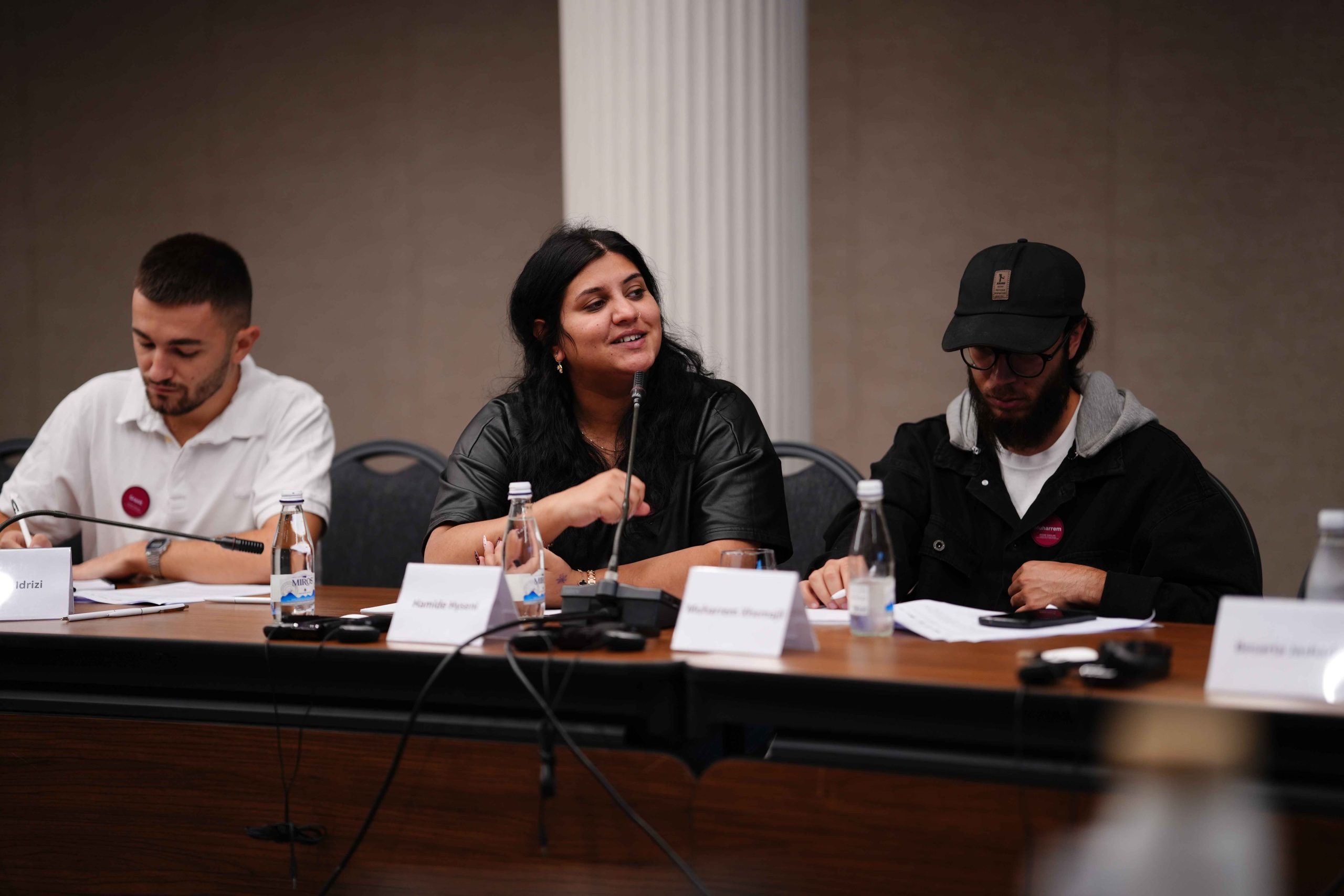
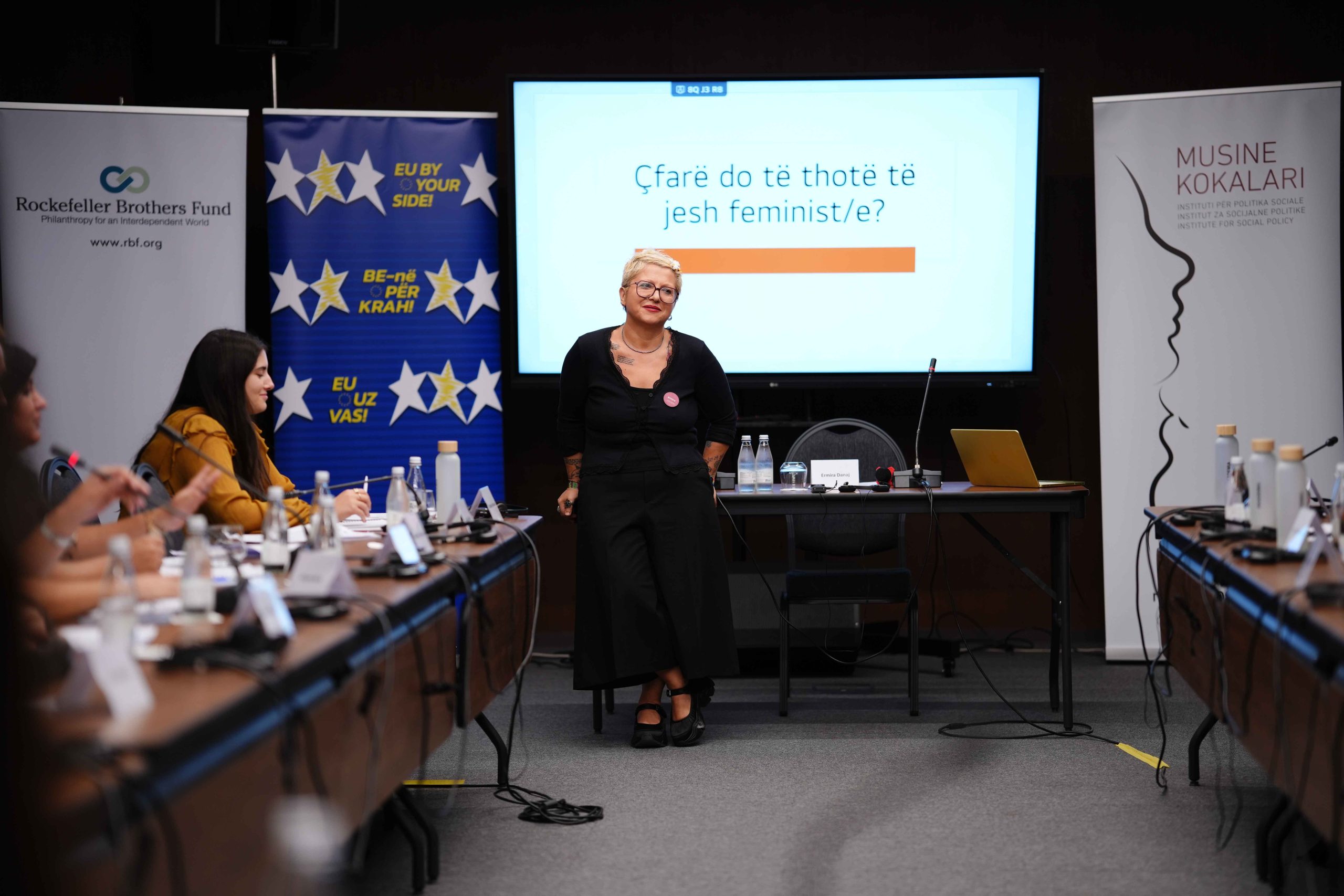
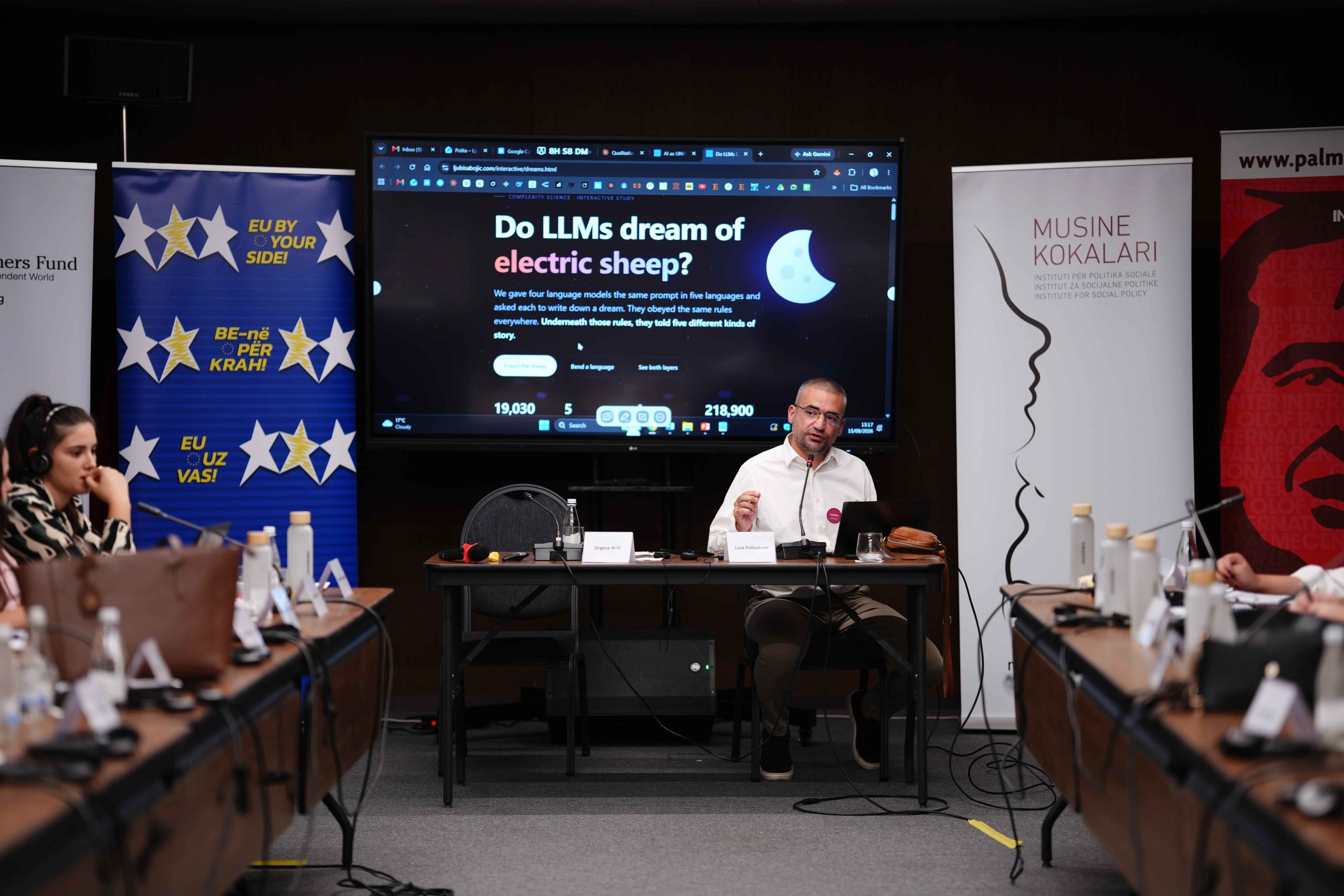
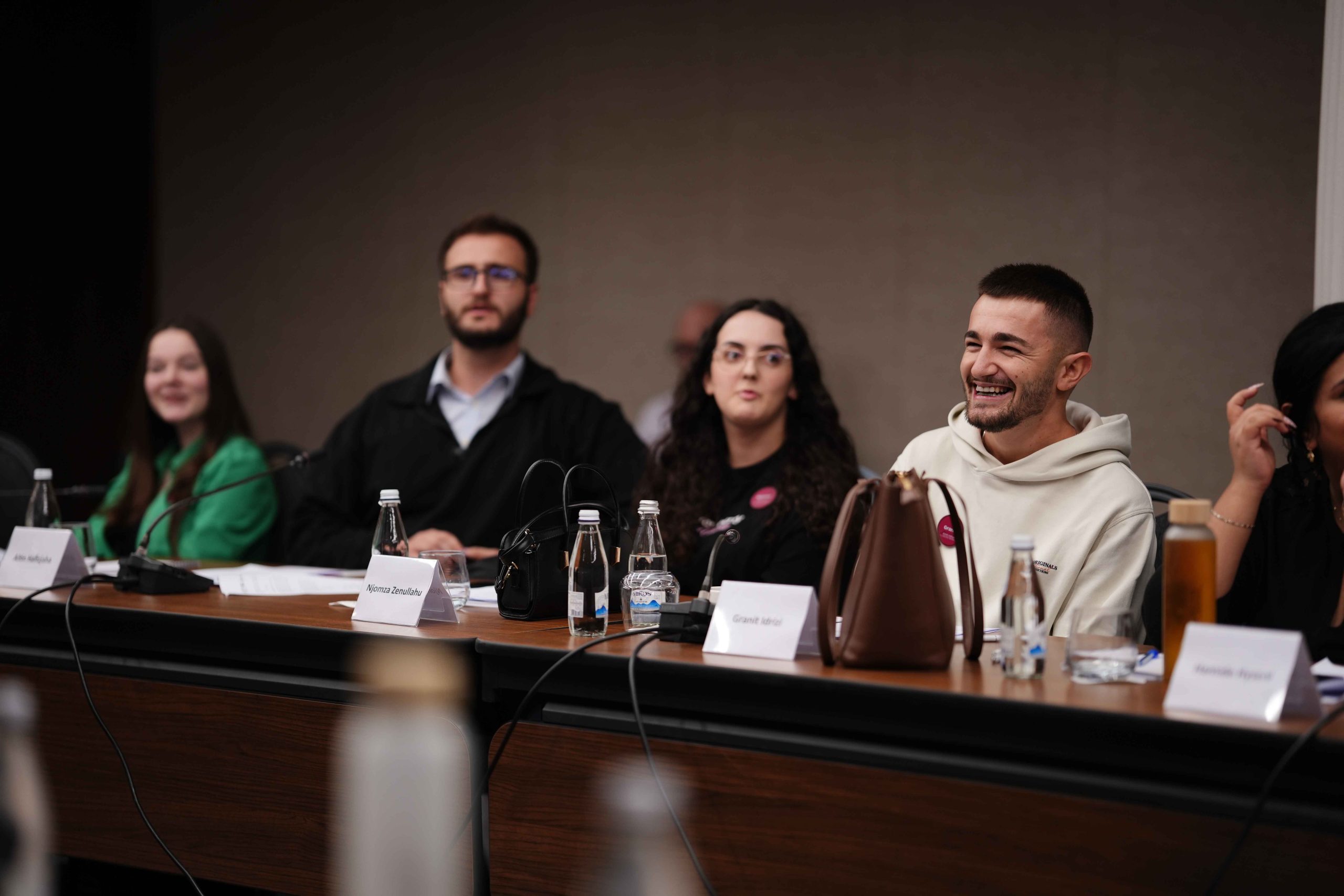
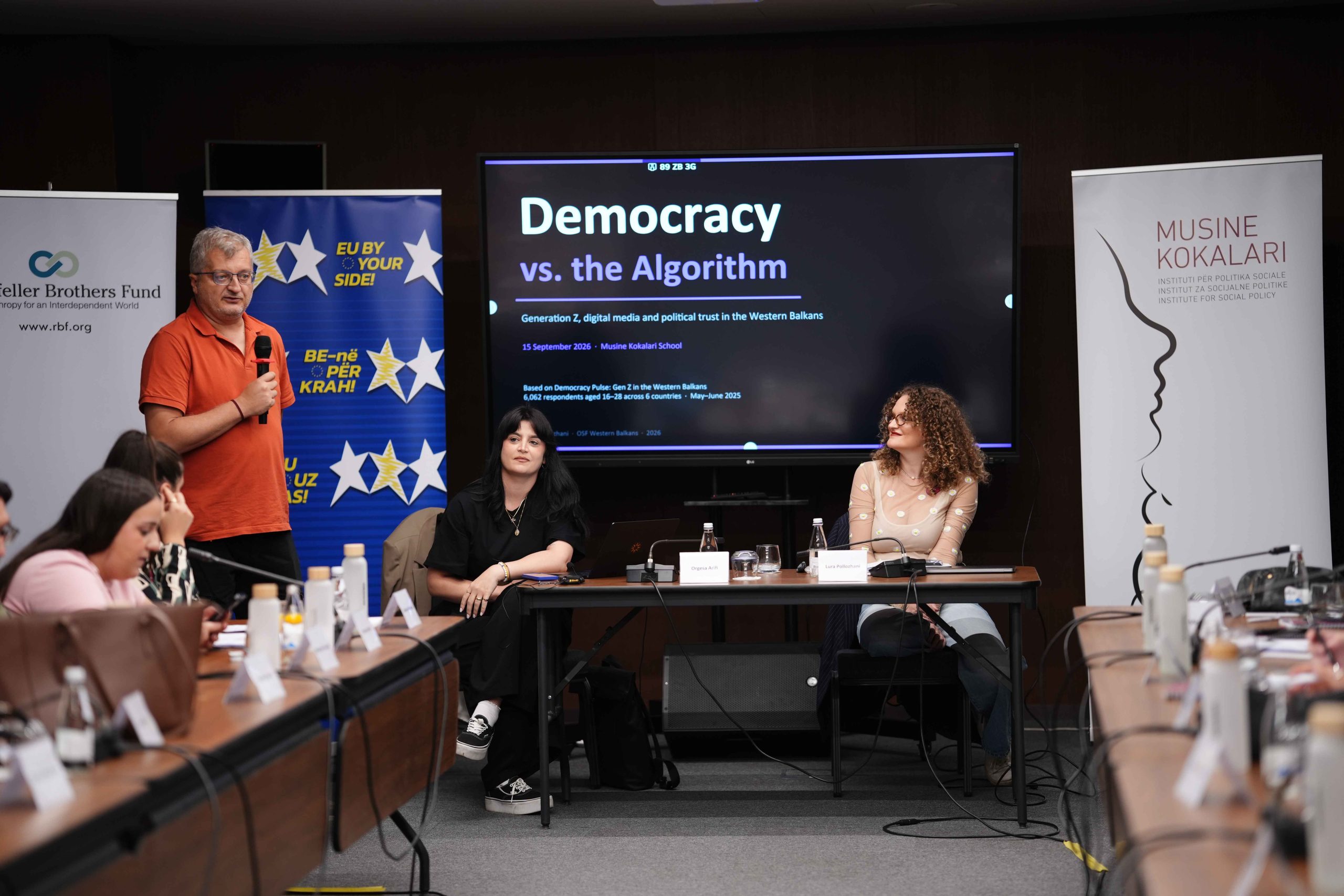
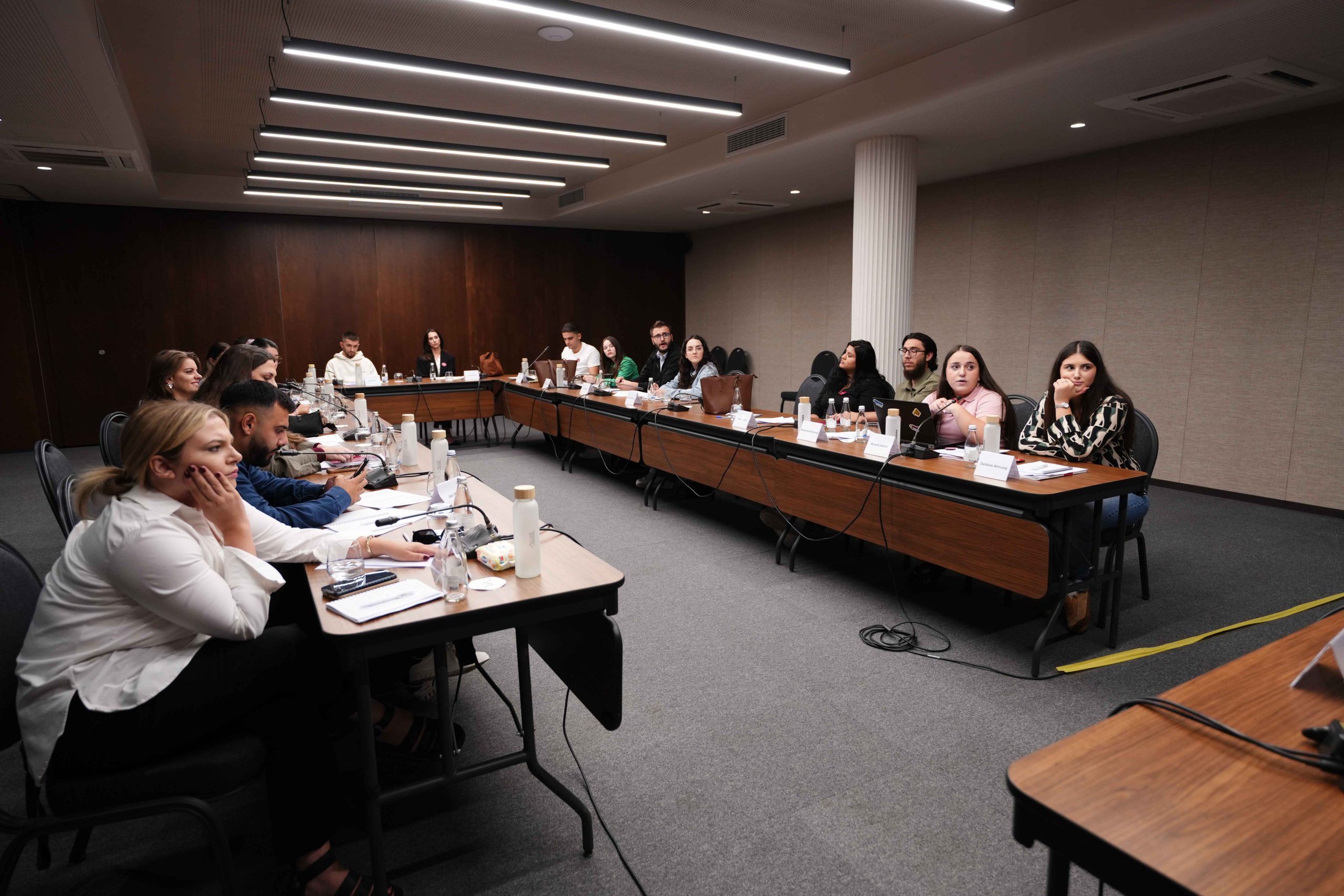
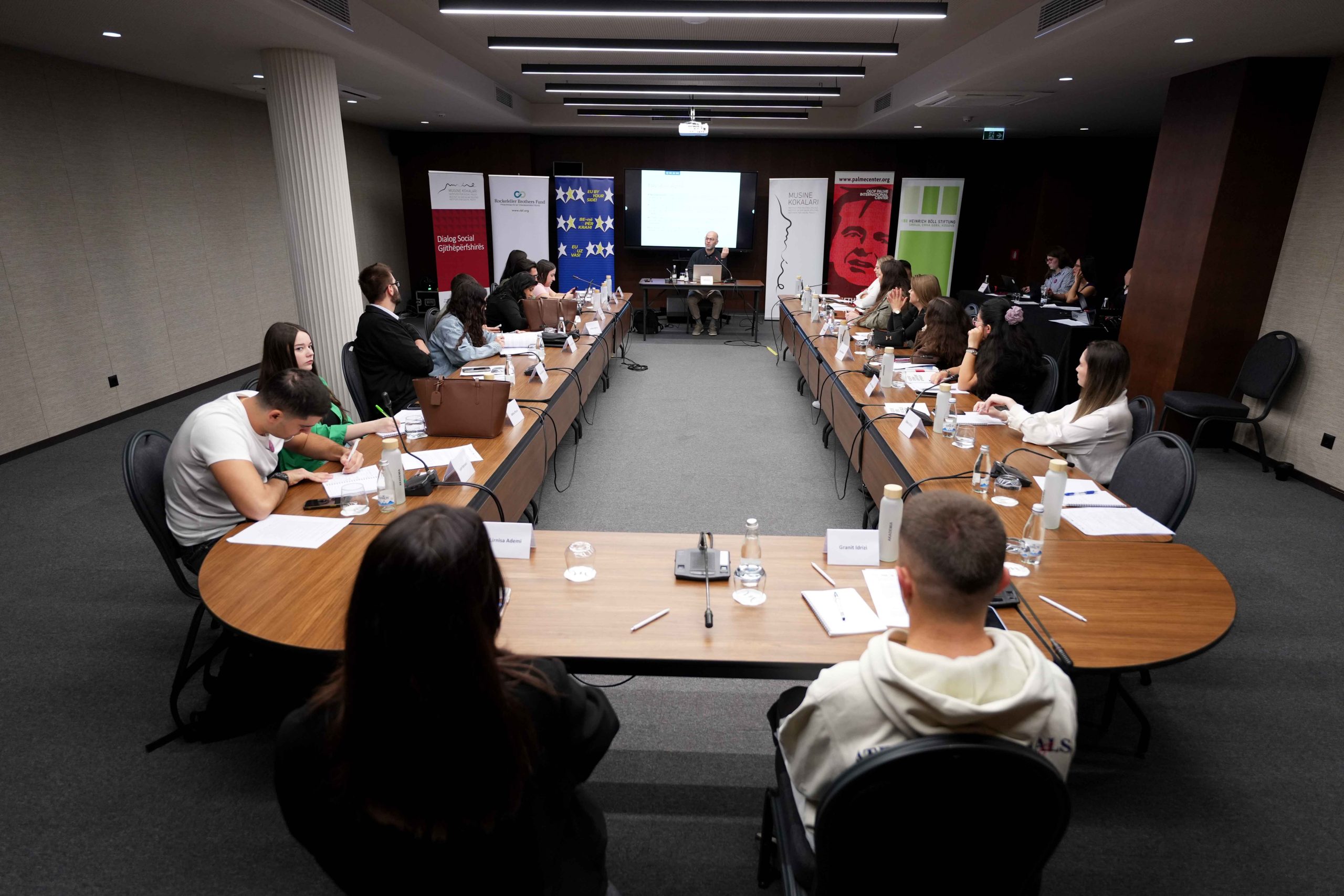
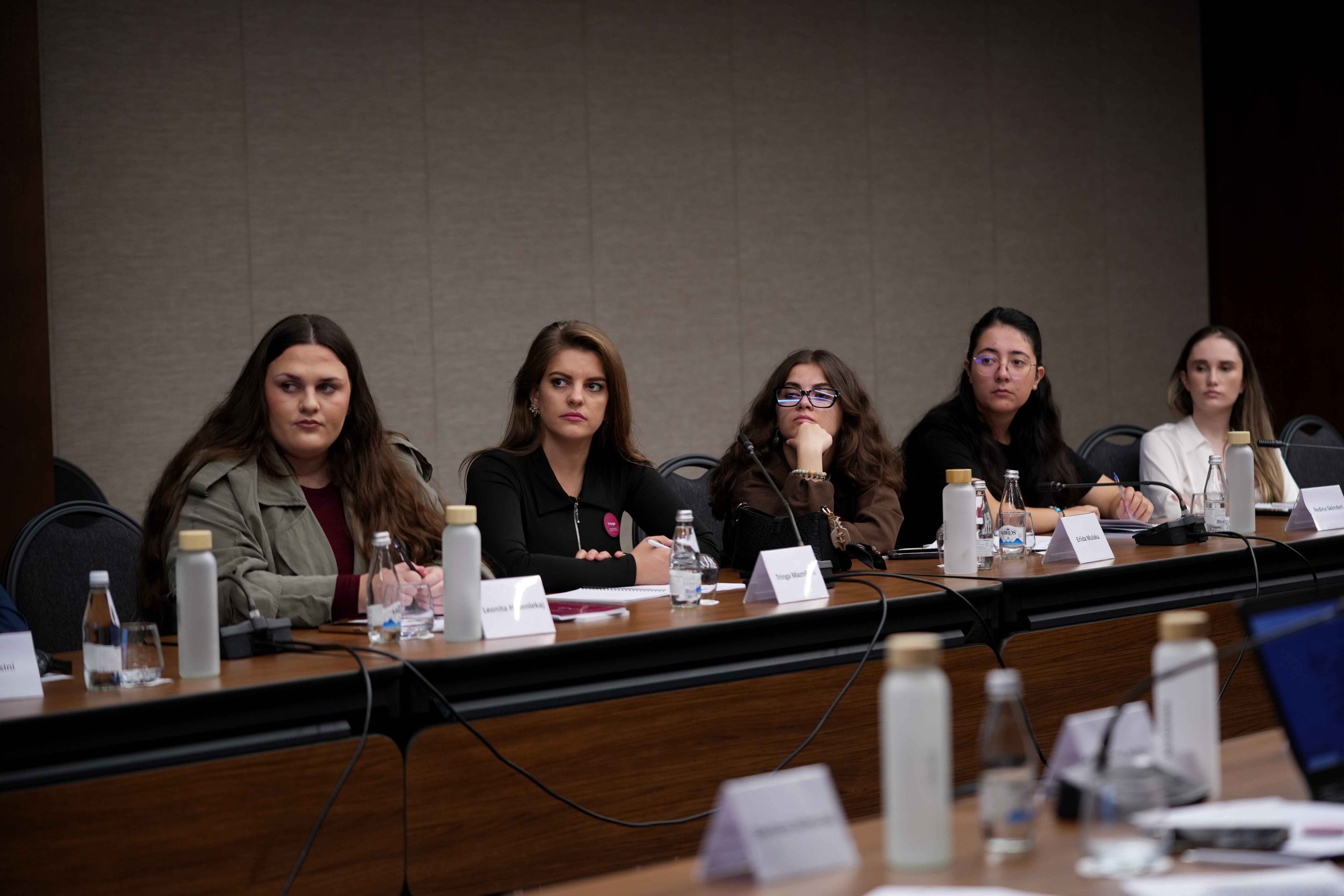
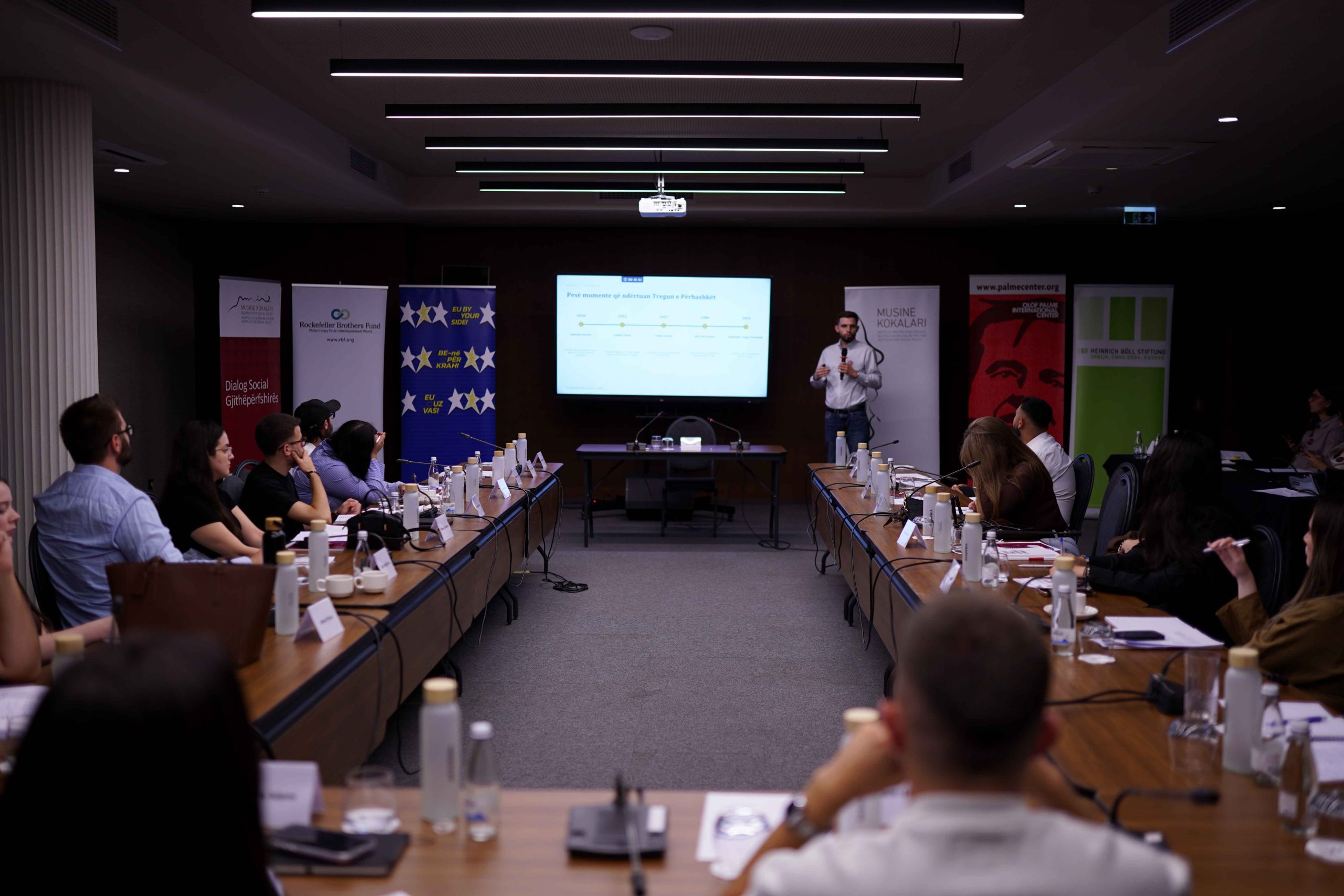


The Musine Kokalari Academy for Public and Social Policy was held for the sixth time from 14 to 19 September 2026 at the Mercure Hotel in Prishtina. Over the course of six days, participants attended lectures, workshops, discussions, study visits, and cultural activities focused on public policy, social issues, and contemporary challenges facing society.
This year’s edition brought together around 20 young women and men from Kosovo and the region, with diverse ethnic, religious, and social backgrounds, as well as varied professional and academic profiles, reflecting the inclusive and interdisciplinary character of the Academy.
Through an interdisciplinary programme, the Academy aimed to provide a space for expanding knowledge, exchanging perspectives, and fostering critical discussion on topics related to history, statehood and citizenship, political ideologies, democracy, artificial intelligence, gender equality, economics, social policy, European integration, the environment, memory, heritage, and identity.
Lecturers, Moderators, and Activity Leaders
Donika Emini – a policy researcher and research associate at the University of Graz, specialising in democratic governance, political developments, and security in Europe. She has been a Reagan-Fascell Democracy Fellow at the National Endowment for Democracy and has held research and professional positions at the EUISS, the Council of Europe, and Freedom House.
Gëzim Krasniqi – a lecturer in nationalism and political sociology at the University of Edinburgh, where he also serves as Director of the Master’s Programme in Nationalism Studies. He is a political sociologist specialising in nationalism, ethnic conflict, statehood, and citizenship.
Besar Gërgi – a European policy researcher at the Group for Legal and Political Studies (GLPS), focusing on Kosovo’s and the Western Balkans’ European integration, the Kosovo–Serbia dialogue, and the implementation of the Reform Agenda. He holds a Master’s degree in European Studies from KU Leuven.
Alban Bokshi – a scholar with an academic background in continental philosophy, European studies, international relations, and political science. He holds Master’s degrees from Staffordshire University and the University of Sussex, as well as a Bachelor’s degree from the American University in Bulgaria.
Lura Pollozhani – a researcher and public policy advisor specialising in politics, international relations, citizenship, and democracy in the Western Balkans. She holds a PhD from the University of Graz and a Master’s degree from the London School of Economics (LSE). She is a co-founder of the Stella Network and a member of BiEPAG.
Orgesa Arifi Berisha – a communications strategist and digital storyteller with more than ten years of experience in media, culture, and marketing. Her work focuses on digital communication, civic education, and engaging younger generations through social media.
Ljubiša Bojić – a senior researcher at the University of Belgrade and the Institute for Artificial Intelligence Research and Development of Serbia, as well as an external academic staff member at the Complexity Science Hub Vienna. He holds a PhD from the University of Lyon II and studies the social impact and ethical governance of artificial intelligence.
Ermira Danaj – an Associate Professor at the American Graduate School in Paris, where she teaches International Relations, Identity and Human Rights, as well as Migration. She holds a PhD in Humanities and Social Sciences from the University of Neuchâtel and is the author of numerous studies on gender and feminism.
Dita Dobranja – an economist and public policy researcher focusing on the labour market, feminist economics, social policy, and the care economy. She holds a Master’s degree in International Economics from American University in Washington, DC, and lectures at RIT Kosovo.
Ramadan Ilazi – Head of Research at the Kosovar Centre for Security Studies (KCSS) and a research fellow at the Southeast Europe Programme of ELIAMEP. He holds a PhD in Politics and International Relations from Dublin City University and a Master’s degree from the University of St Andrews.
Helena Poučki – an activist and expert in environmental and nature conservation issues, with a background in biology and nature conservation. She is one of the founders of GAIA and has worked on community and environmental programmes in Kosovo and the region.
Dardan Abazi – a public, energy, and climate policy expert with an academic background in political science, European integration, and energy policy. He has contributed to the development of Kosovo’s National Energy and Climate Plan.
Edison Jakurti – a Senior Consultant at Alcis Advisers, an economics lecturer at Abilene Christian University, and a Research Fellow at the World Inequality Database. He holds a PhD in Economics from Leipzig University, a Master’s degree from Duke University, and a Bachelor’s degree from Rochester Institute of Technology.
Alban Hashani – Executive Director of the Riinvest Institute. He completed his postgraduate studies and PhD in Economics at Staffordshire University and is engaged in research on socio-economic issues, privatisation, corporate governance, energy, and the business environment.
Paul Stubbs – a sociologist and researcher at the Institute of Economics, Zagreb, focusing on the political economy of social welfare, policy transfer, social movements, and the role of socialist Yugoslavia in the Non-Aligned Movement.
Andi Haxhiu – a sociologist with a PhD in Sociology from the University of Edinburgh and a researcher of nationhood, nationalism, memory politics, the role of museums, and cultural heritage.
Dritan Dragusha – a philosopher, author, and journalist. He holds Bachelor’s and Master’s degrees in Philosophy from the Faculty of Philosophy at the University of Prishtina. He is a columnist at Sbunker and the author and moderator of the cultural programme Prizma on T7.
Programme
During the six days of the Academy, the following topics were addressed:
- The Modern History of Kosovo: International Intervention and State Subjectivity in the (New) World Order
- State, Nation, and Sovereignty in the (New) World Order
- From European Integration to Public Policy
- Definitions and Historical Schools of Political Ideologies: Populism and Democracy
- The Politics of Diversity by Design in Artificial Intelligence: Simulation, Evaluation, and Algorithmic Change
- Feminism: A Sociological and Social Approach to Gender
- The Care Economy and Rethinking Economic Development through the Feminist School of Thought
- The Idea of Europe: From Philosophical Vision to the Dynamics of Enlargement
- 11 Theses as a Prelude to a Critical Approach to Economics
- The Transnational Dimensions of Social Policy-Making in Southeast Europe – Contradictions and Contestations
The programme of this edition was further enriched with workshops, discussions, study visits, and a film screening:
- Workshop: Democracy vs. the Algorithm: Generation Z, Digital Media, and Political Trust in the Western Balkans, with Lura Pollozhani and Orgesa Arifi Berisha.
- Study visit to Štrpce: Hydropower Plants and Protected Areas, led and moderated by Helena Poučki.
- Visit and discussion in Obiliq: on the impact of lignite-based energy production on communities surrounding the Kosovo Energy Corporation (KEK) power plants, with Dardan Abazi.
- Discussion: On the Left and Right in Kosovo, with Edison Jakurti and Alban Hashani, moderated by Visar Ymeri.
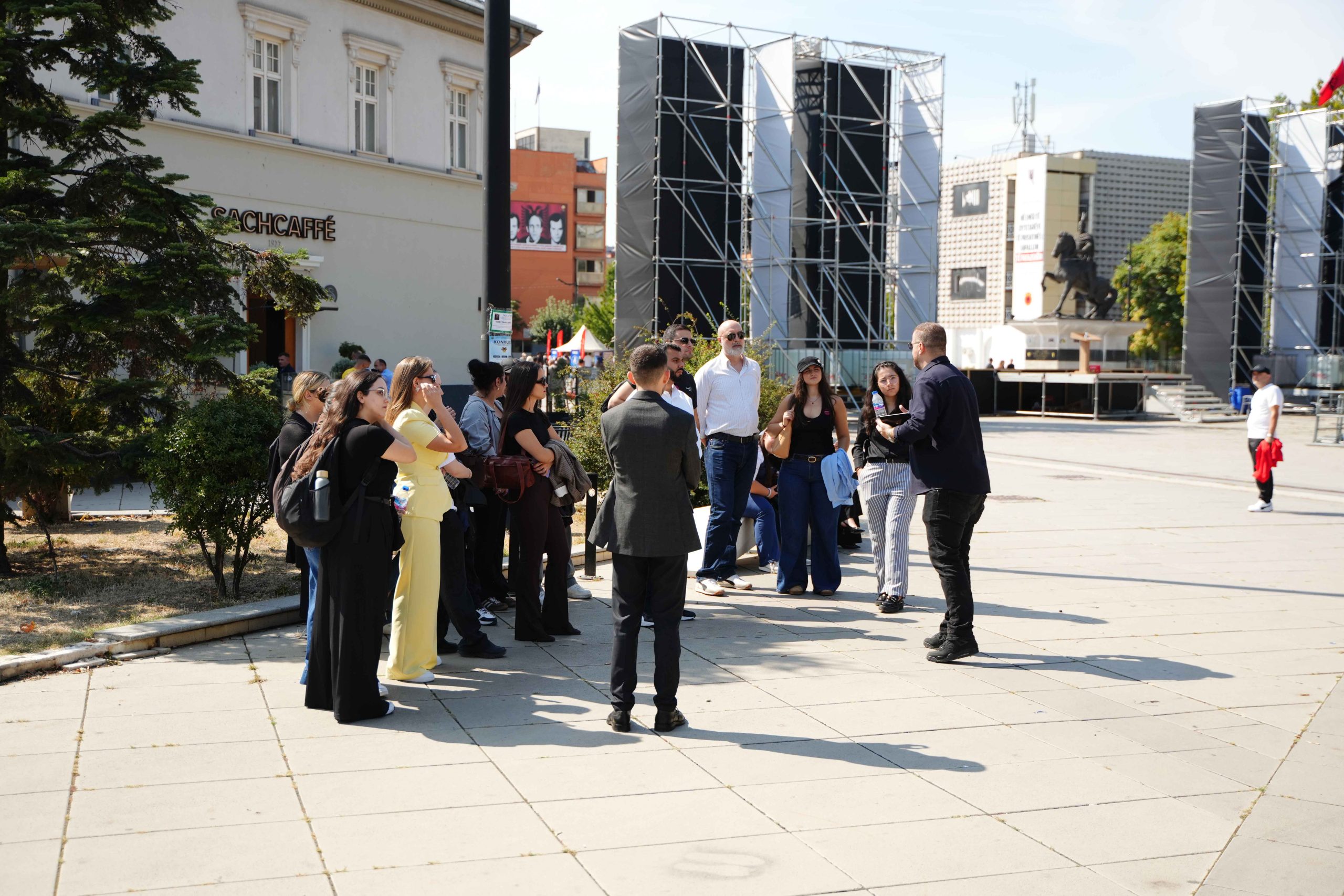
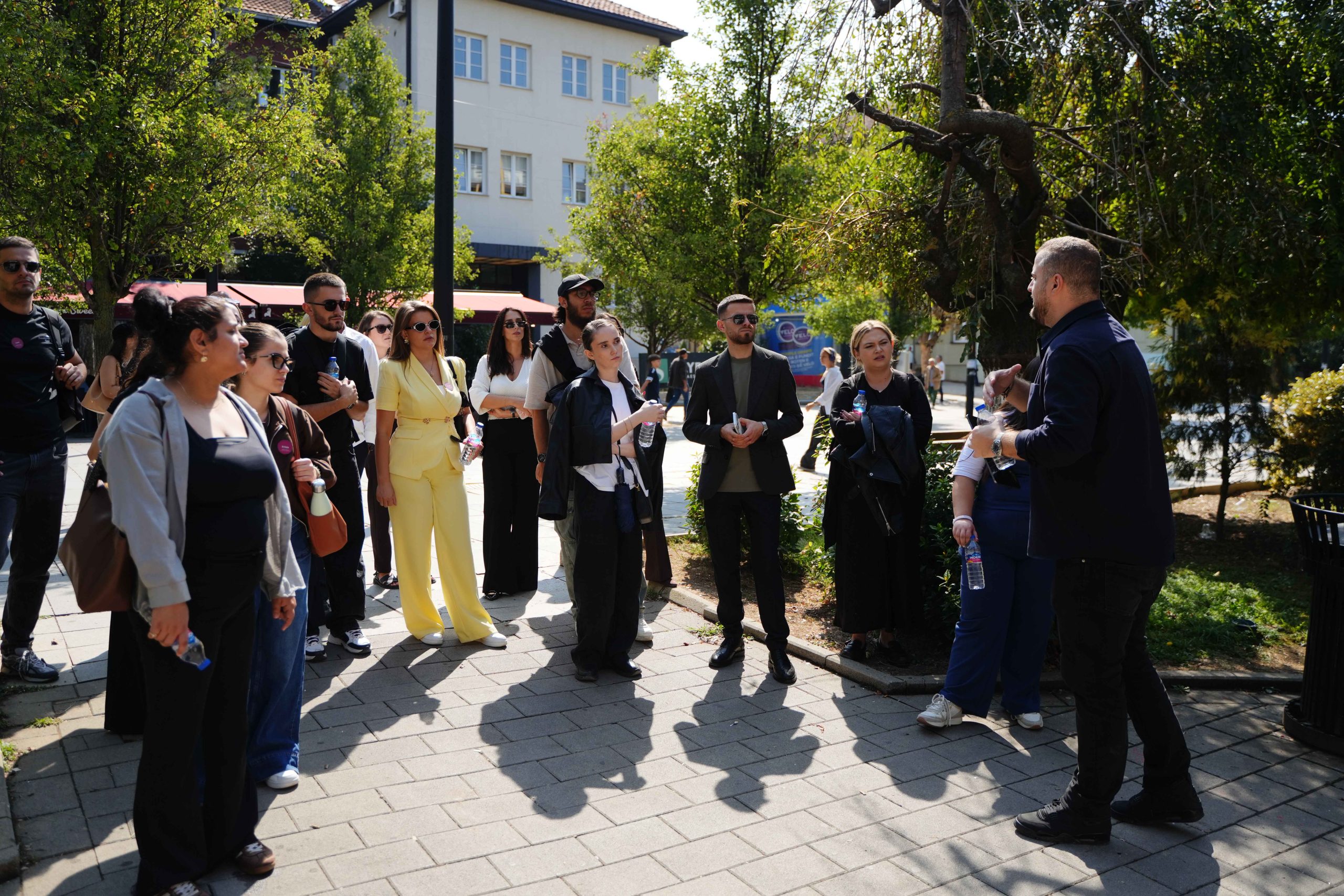
- Study visit: Monuments, Memory, Identity, and the Politics of Space, led by Andi Haxhiu.
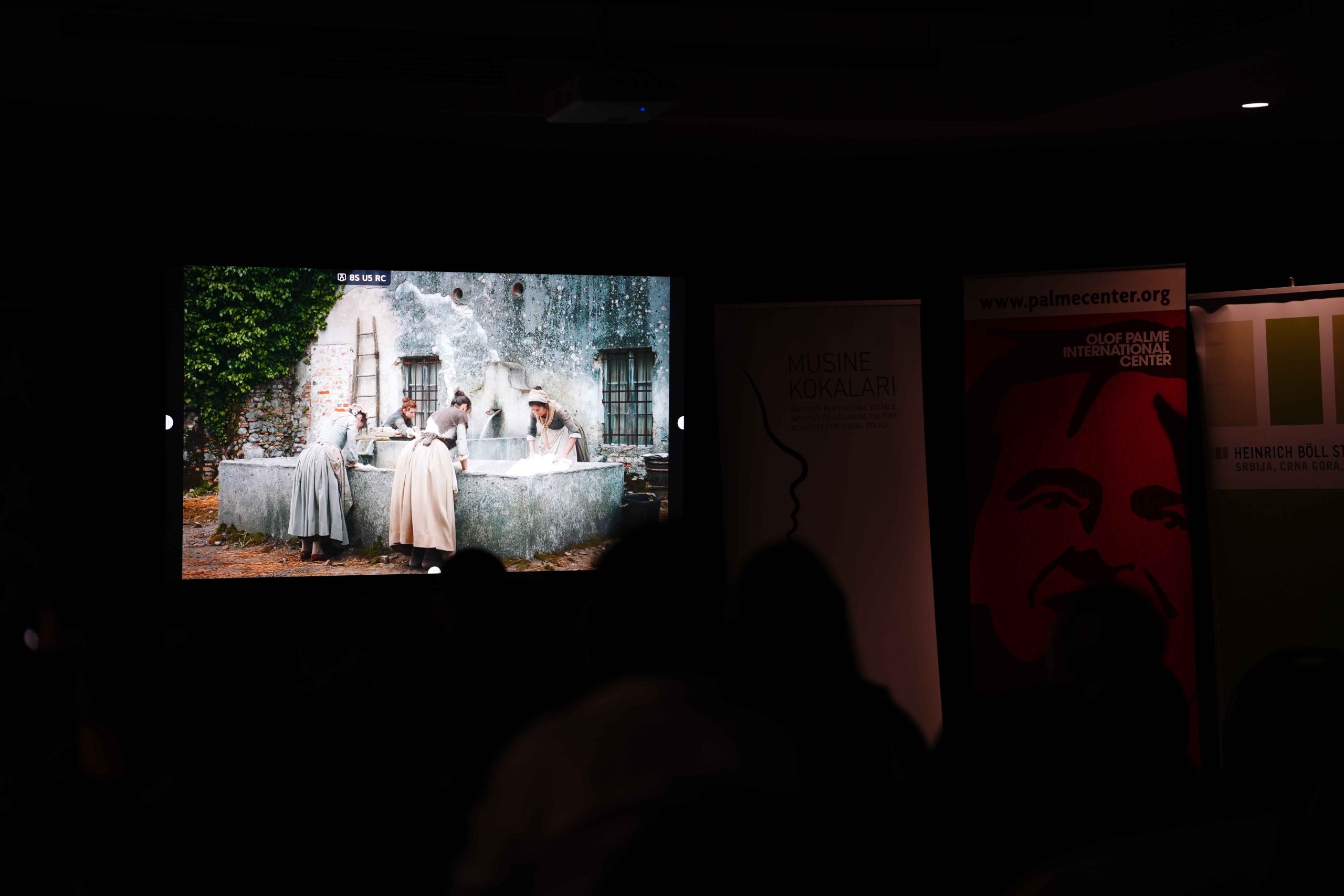
- Screening of the film Gloria! and discussion with participants, moderated by Dritan Dragusha.
The 2026 Musine Kokalari Academy for Public and Social Policy was supported by: