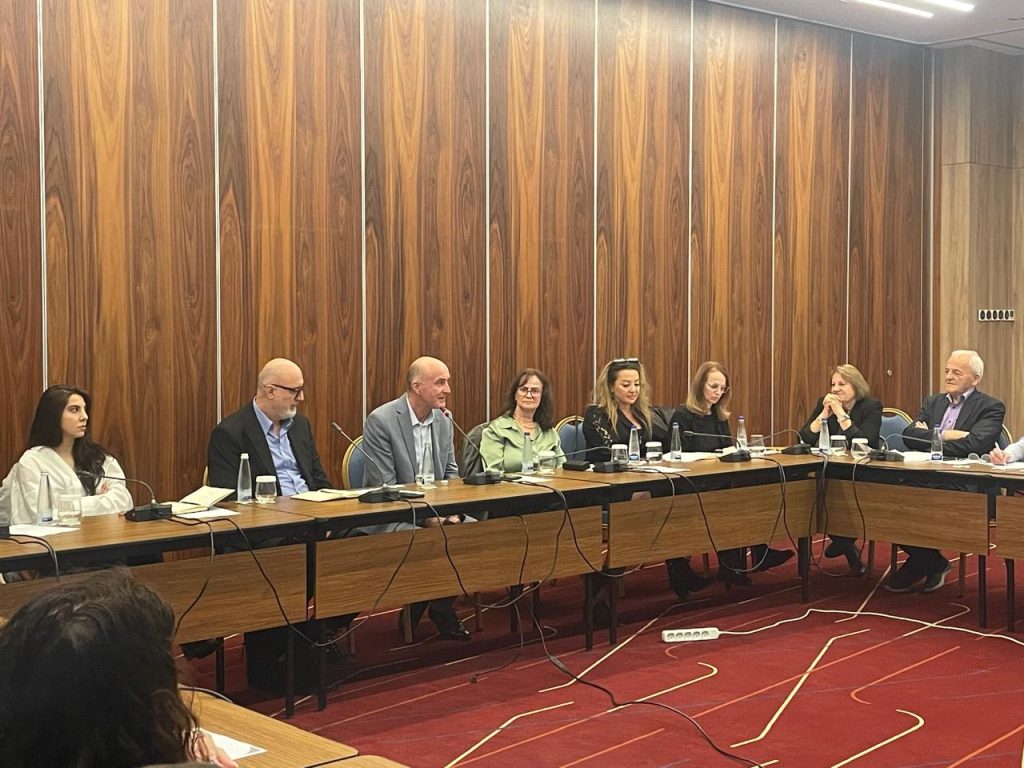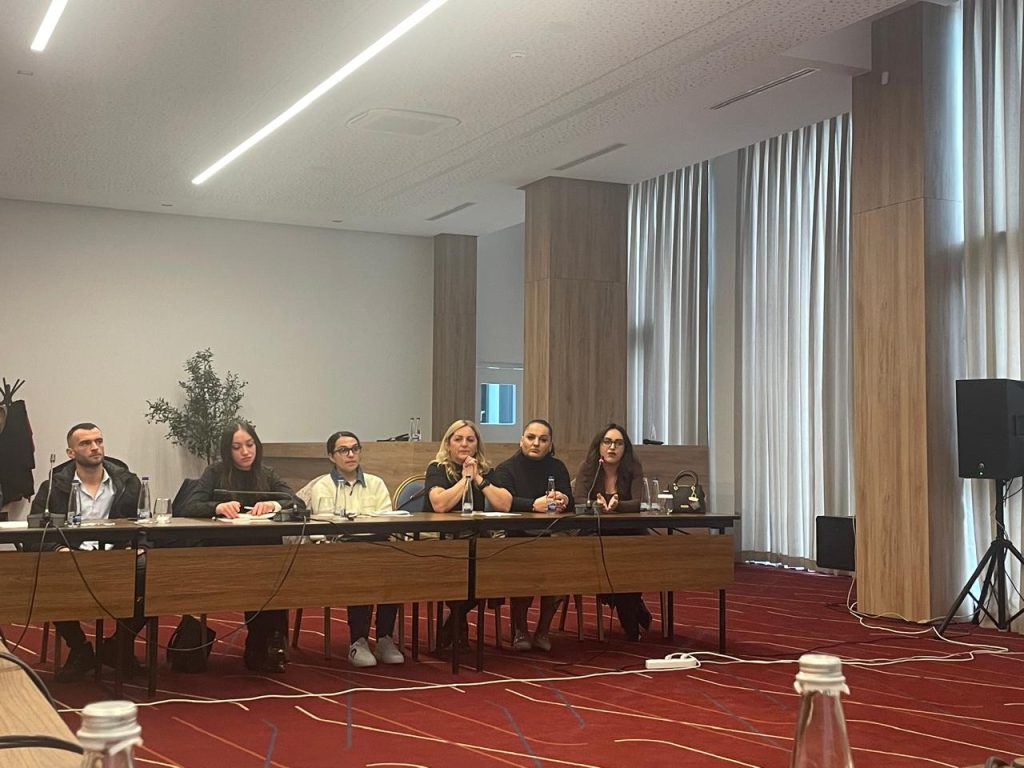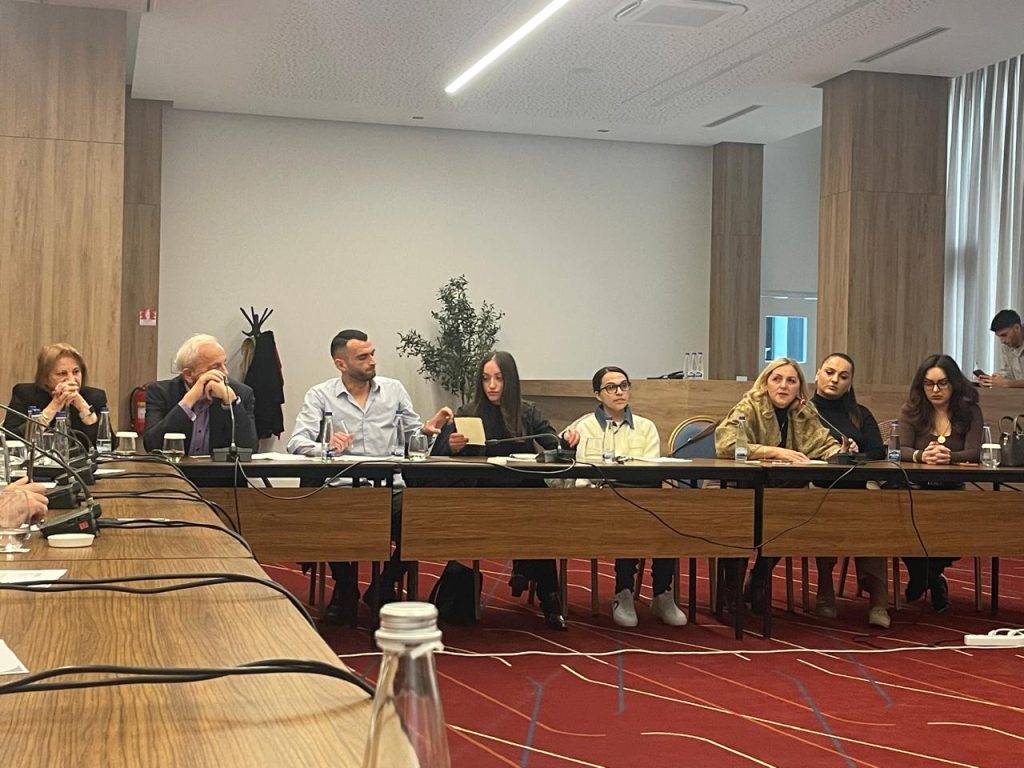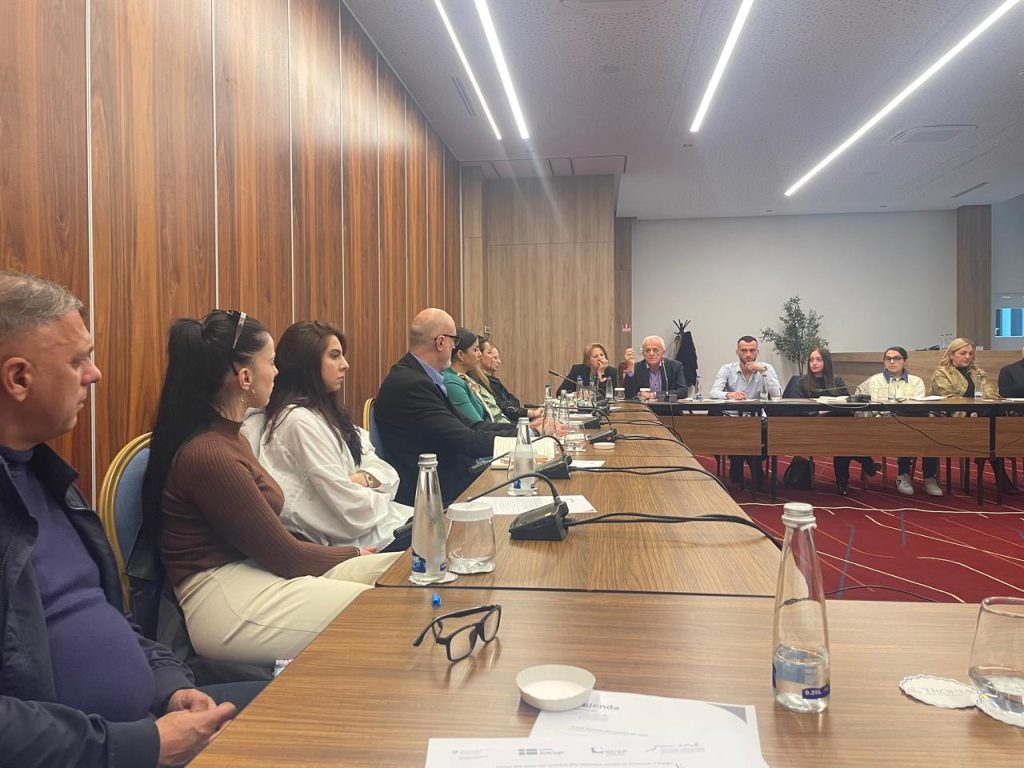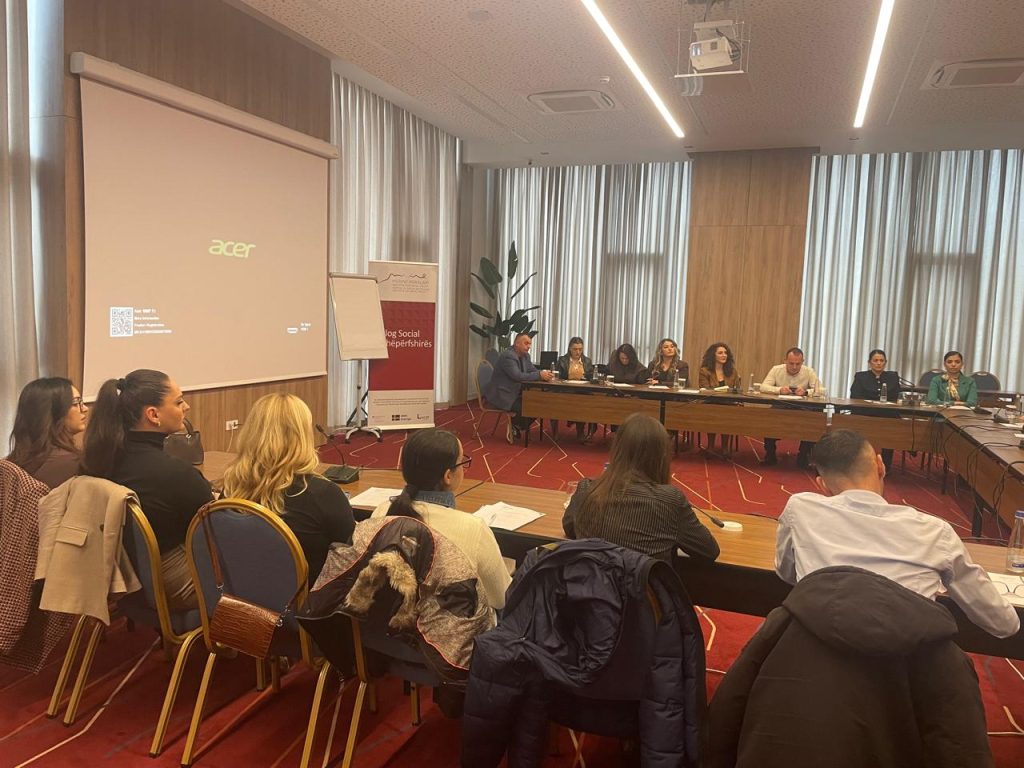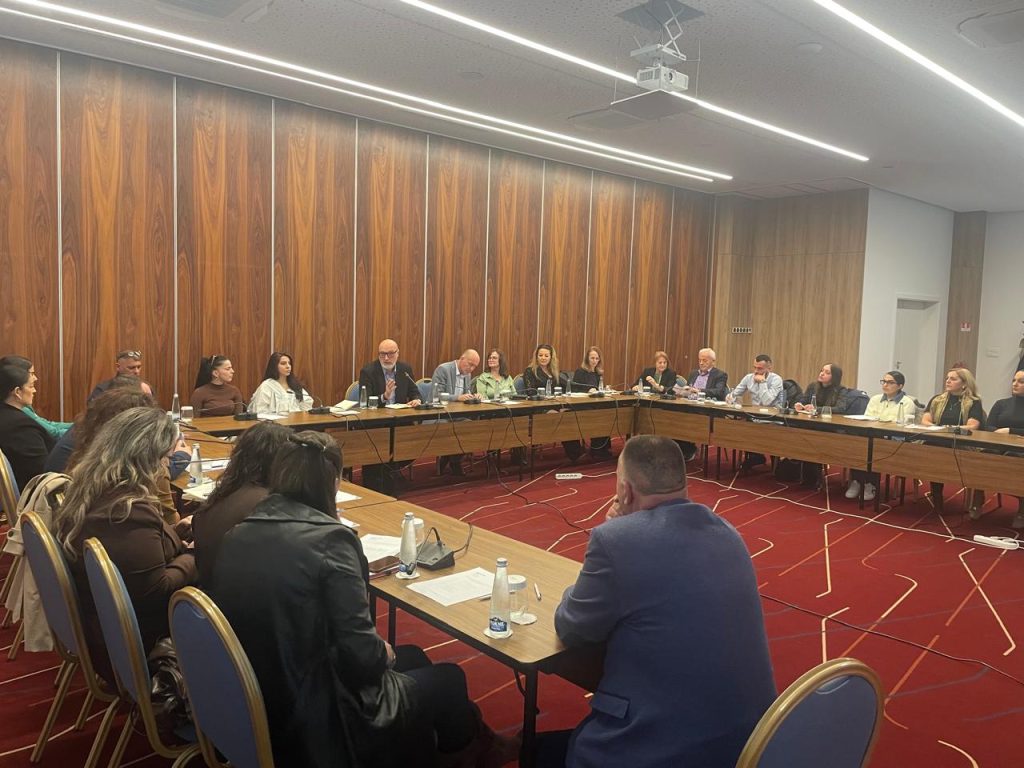
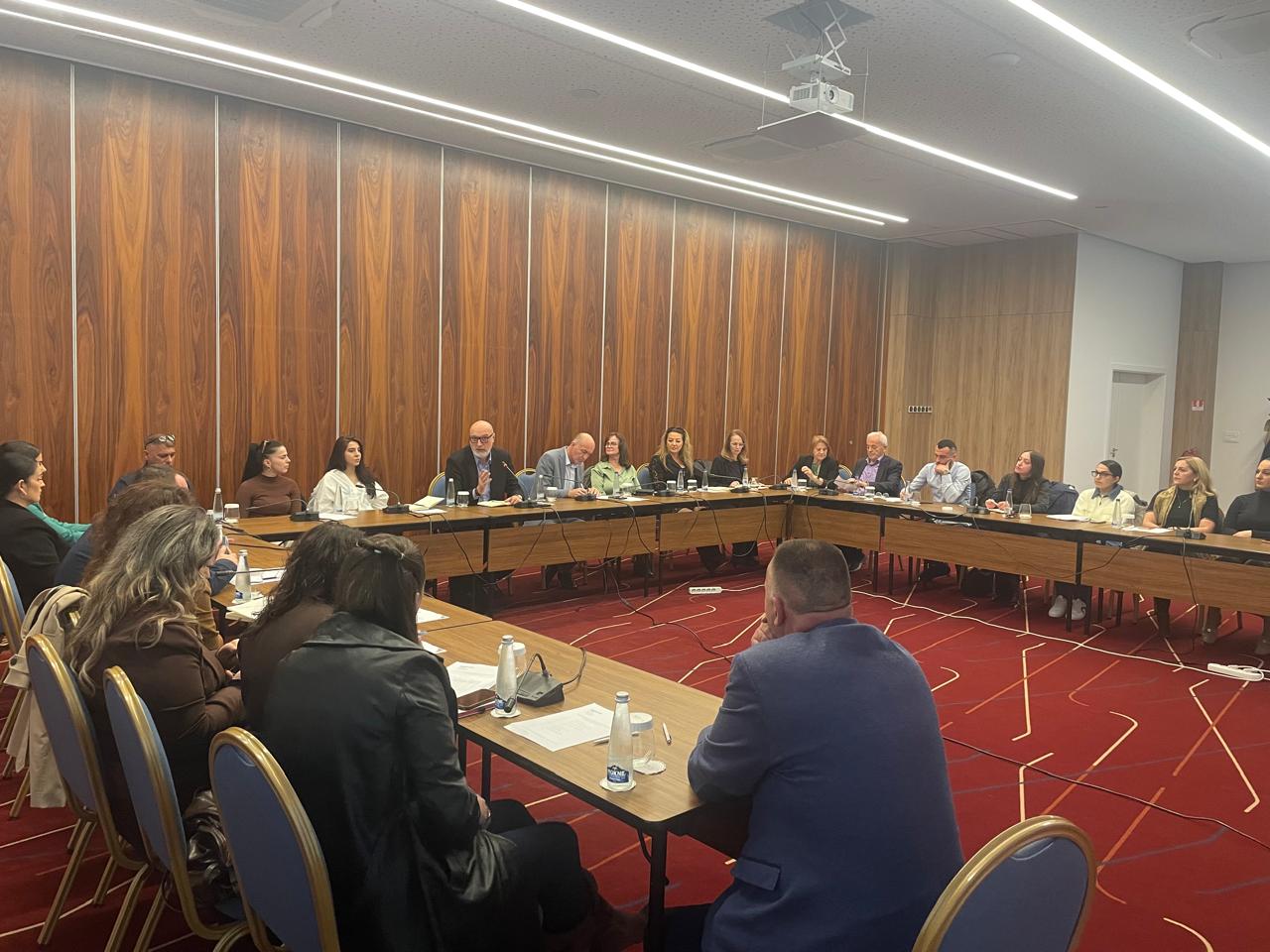
Insufficient staffing and funding for social services, inadequate transportation for persons with disabilities, and the need to expand services for children, women, and older people are among the main challenges identified in the Municipality of Istog. These issues were raised during consultations organized by the Institute for Social Policy Musine Kokalari, with the participation of representatives of municipal institutions, civil society organizations, social service providers, and citizens.
The consultations focused on opportunities to address these challenges through municipal policies and decisions, drawing on the experiences of those who provide and use social services. They followed the meeting held on October 6 with members of the Thematic Group of Municipal Assembly Members on Social Policy, with the aim of broadening the discussion and identifying measures that could be undertaken at the municipal level.
The Municipal Director for Social Welfare, Ms. Merita Muzlijaj-Bytyçi, emphasized that budgetary constraints and insufficient staffing hinder the provision and expansion of social services. In this context, the role of the Centre for Social Work in supporting individuals and families in need, including children and older people, was also discussed. The day care centre for older people, where activities involving healthcare professionals are organized and psychosocial support is provided, was highlighted as an example of cooperation between the municipality and civil society.
Civil society organizations presented specific needs identified through their work with citizens. Handikos in Istog raised the issue of inadequate transportation for persons with disabilities, as well as the need for additional facilities and staff to expand services. The organization “Forca e Gruas” (Women’s Strength) highlighted women’s interest in vocational training, including a tailoring course, the implementation of which is hindered by a lack of funding to engage a trainer.
Regarding services for children, the need for access to free speech therapy services was emphasized, along with the need to strengthen learning centres that support children throughout their education, particularly those from the Roma, Ashkali, and Egyptian communities.
The challenges and proposals identified during the consultations will serve as the basis for drafting a report containing concrete recommendations, which the Institute for Social Policy Musine Kokalari will present to the Municipal Assembly of Istog. The recommendations will aim to improve access to and the quality of social services, strengthen institutional capacities, and support municipal assembly members in developing municipal policies and initiatives based on citizens’ needs.
The consultations were held within the framework of the “Inclusive Social Dialogue” project, supported by the “EJA Kosovo” programme of the Kosovar Civil Society Foundation (KCSF), co-funded by the Swiss Agency for Development and Cooperation (SDC) and Sweden.